Trees

Winter is spring in Algarve. Perched into the Atlantic, anywhere west of Gibraltar is greener year round compared to east of, or inland, being more humid throughout the year.

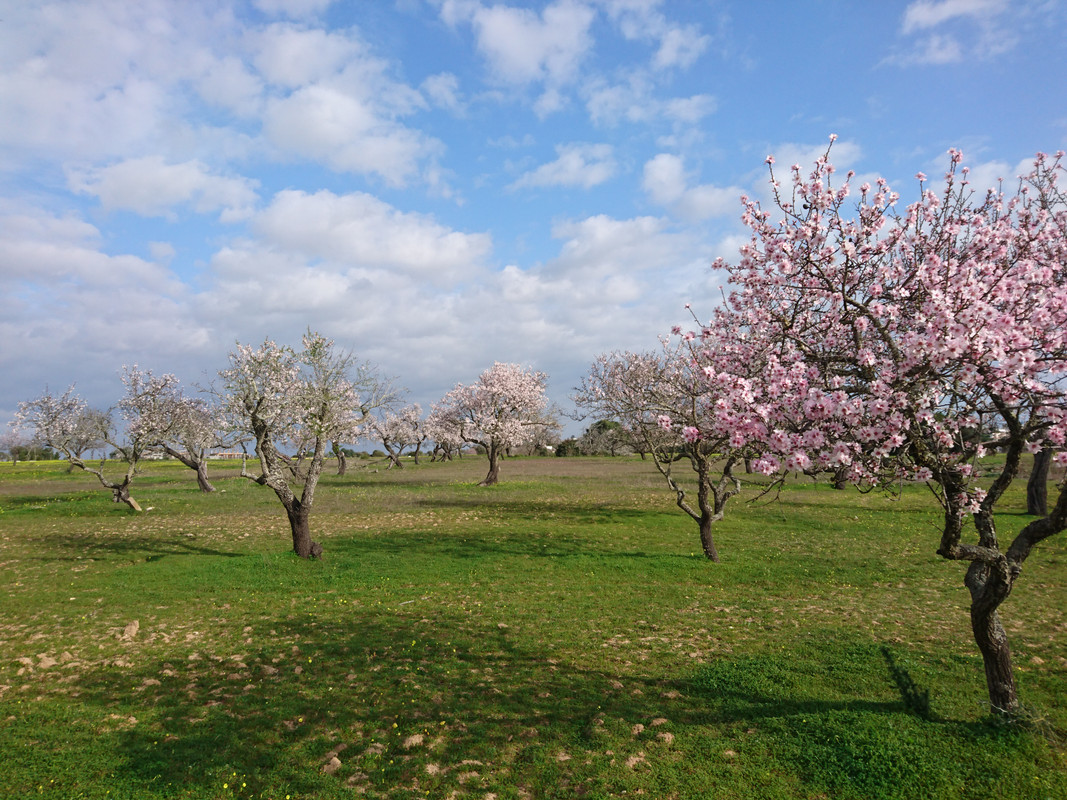
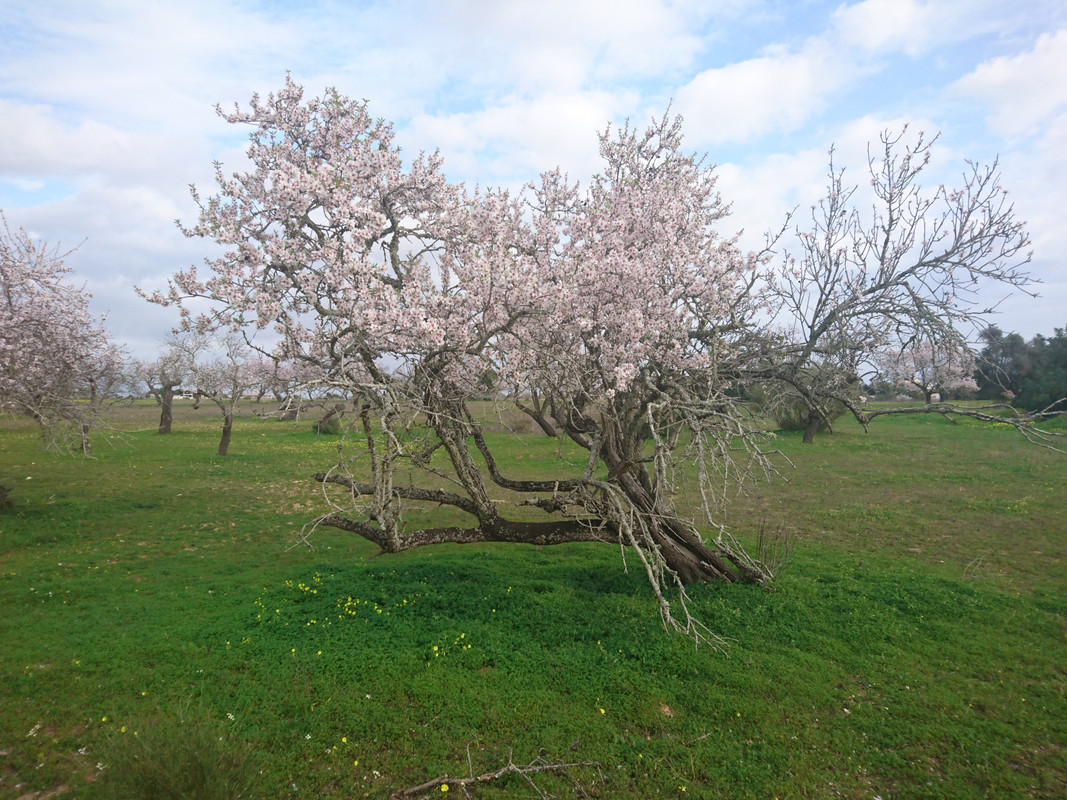
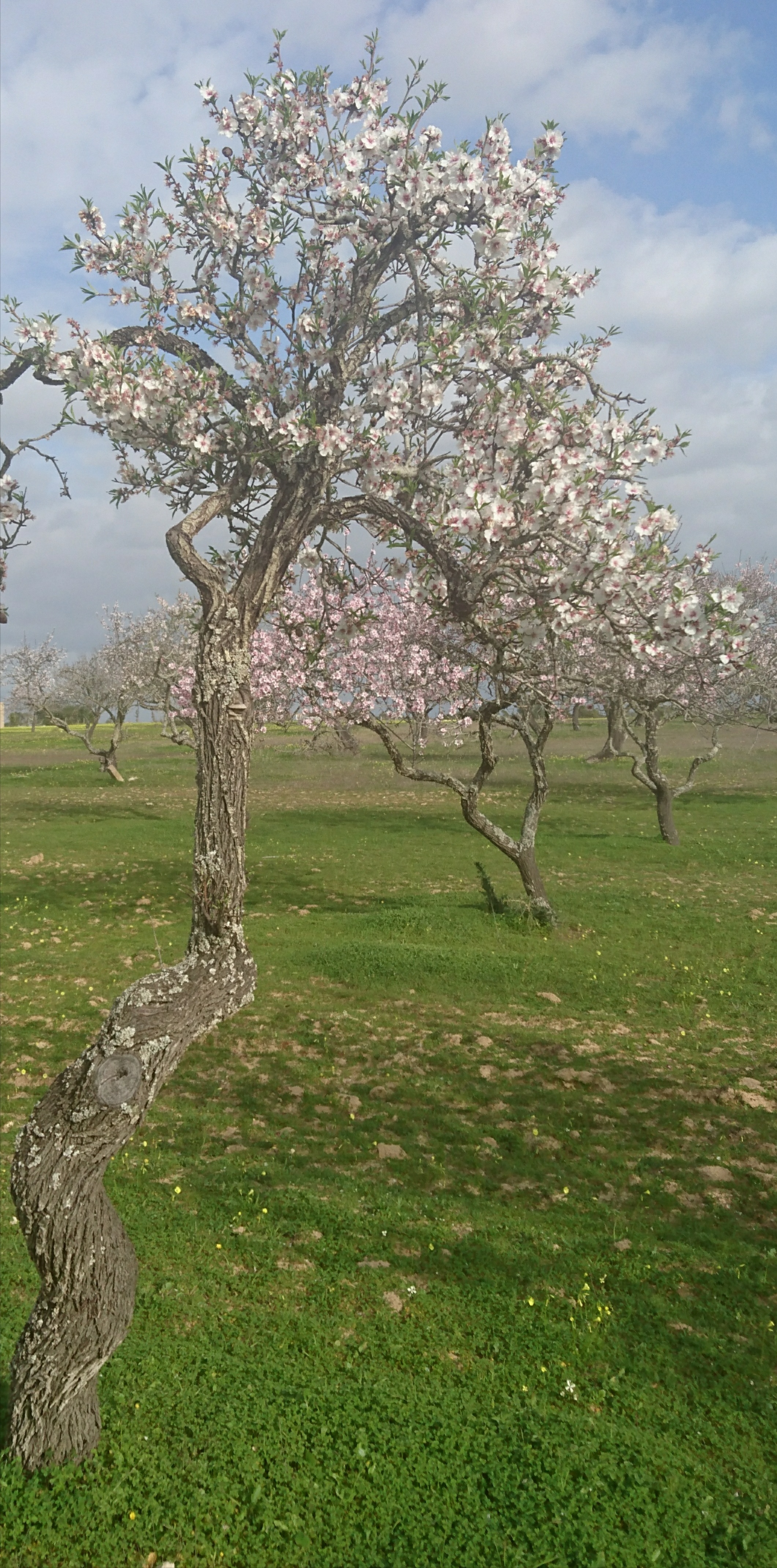
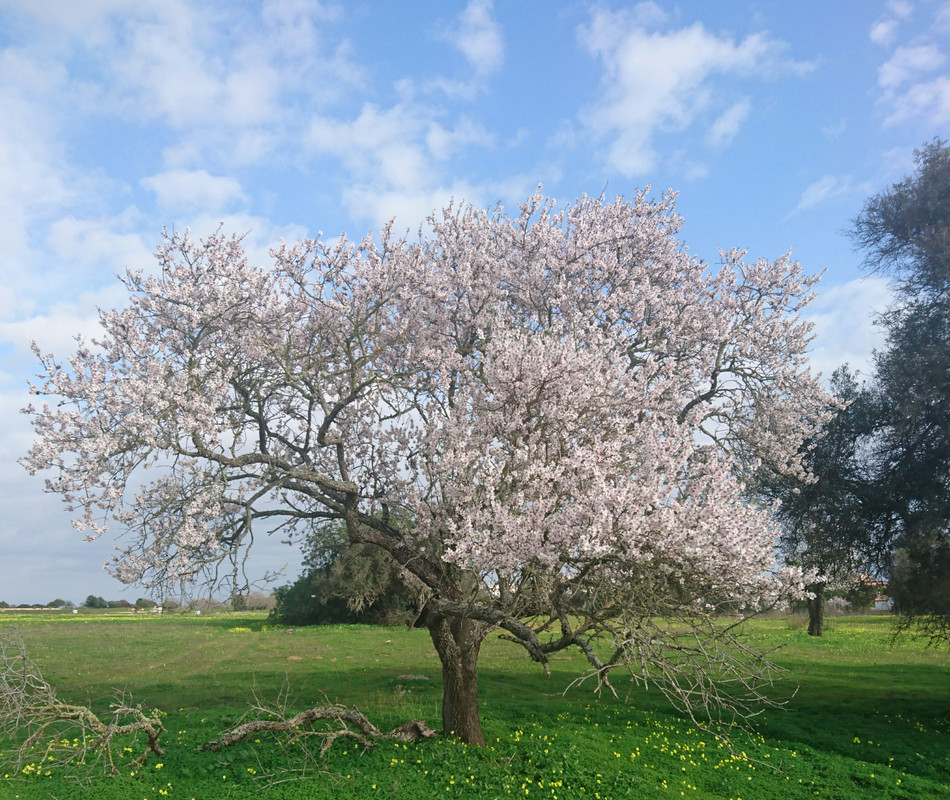
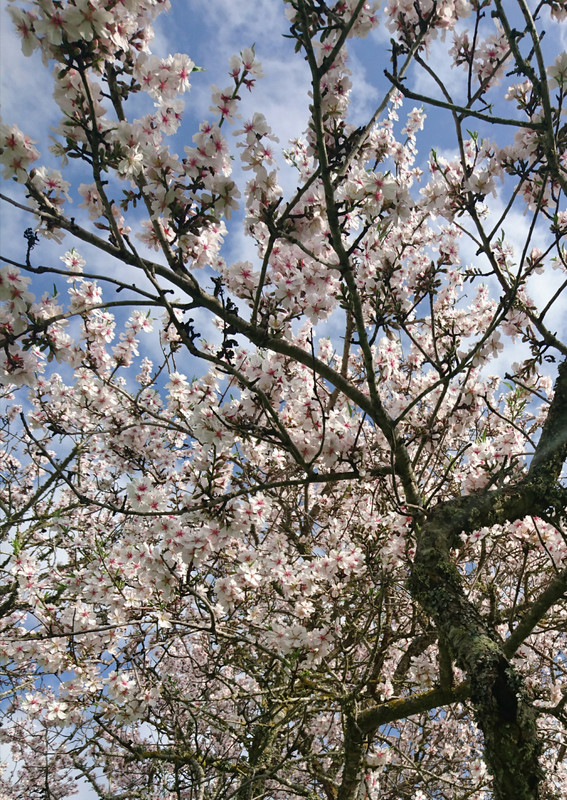
These are almond blossom, from an old unharvested orchard.


There are various similar around our region, some are partly maintained others not, none are farmed as that seems given over to citrus nowadays which is something of a blanketing monoculture in some places. Still, orange orchards are better than concrete, I suppose.

There are a large variety of fruit trees here, pear, plum, algarobo, pomegranate, fig there are olive and mastic trees, cork oak which have very dense wood, and various others also, many of which are left from times gone by.

I like olive trees a lot, some must be several hundred years old at least, and oaks also. Even a larger branch sometimes found from windfall might be well over a hundred years old from these. So if I take any new photos of trees I will just add them in later, and welcome anyone else to post their pictures and related stories.

Nice. Had to look up algarobo, and I said, “Of course!” when I found what it was and compared the two words: in English we know it as carob. The Algarve looks like a special place.

Four biomes meet in my home state of Minnesota, but wherever you are, winter is definitely not spring. Like, ever. But there’s beauty to be found:

“Most excellent” tree/picture Nano. Every time I look at it my gaze goes flying along all the branches, then steadies down with the trunk. No explanation for that but even covered in snow it is very alive.

Minnesota made me think of ice skating and I must admit to being completely uninformed on its countryside, I will try to get some idea from that link. Here we go from coastal beach and marshland, through cork and pine forest, pasture and olive, orchards and so on. It is very diverse though, with various different niches.

Algarve is a special place, an unusual and mysterious place also. I would not know where to start, it is sort of abandoned in modern terms, some tourism but not much, with its boom bust that we saw in southern europe. I used to live in Spain before, but the country was getting overrun in the tourist areas. Portugal is poorer in comparison, but more like Spain as I remembered it in the late 80’s. It has a vast and endless history to it, the people are generally more sensible or contemplative than the Spanish, quieter for it. Portuguese society understands saudaded, a sort of deep poetic or spiritual melancholy, and among the various kinds of traditional music the Fado (or fate) is probably most well known.

https://m.youtube.com/watch?v=1YriVM8sC7M

As explained by Amália Rodrigues in this song, it is based on the power of the ocean over the lives of sailors and fishermen.

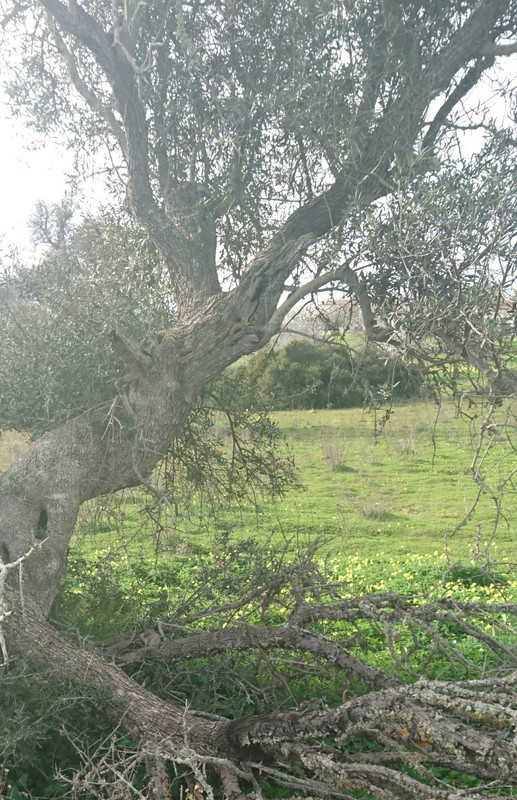
I figured I couldn’t post without a picture, and the only one I have handy is a fallen branch from an olive tree (in foreground) , which is about twenty centimetres wide and a meter long, and straight :slight_smile: … if I go back that way.


Sorry for the mist effect, the inside of the lense of the camera keeps misting, it was not added on purpose.

Think ice fishing, and you’d be a lot closer to the mindset:

She’s demonstrating the modern ice fishing tradition at its most fundamental; but if you want really modern, there are portable insulated cabins with even wifi in addition to the required holes in the floor, there to lounge and drink beer in comfort, which is really the point in that case. “Catching bottle bass,” I think is the phrase.

In keeping with the ethos of this thread, I believe those are trees in the far background.

Looks fun Nano

I took down that picture because it was just for fun… but a bit out of place and not sure if appreciated :slight_smile:

I live a few miles from the Atlantic, the winds and salt blown in mean few trees can thrive, the ash is the main species that we have: they come into leaf late and drop them again early so they appear less affected by scorching from the wind than other species that can really struggle.

In 2012 the fungus Hymenoscyphus fraxineus arrived in Ireland, with imported saplings from continental Europe. The fungus causes Ash dieback disease and predictions had it that all ash in the country would die within ten years, much like the devastation caused by the Dutch Elm disease decades ago.

The fungus spread quickly and in the last few years ripped through Clare, leaving the miserable sight of dead and dying trees all round.

A short photo essay of a half hour of walk here, to collect some cork oak wood. Captions are below each photo.
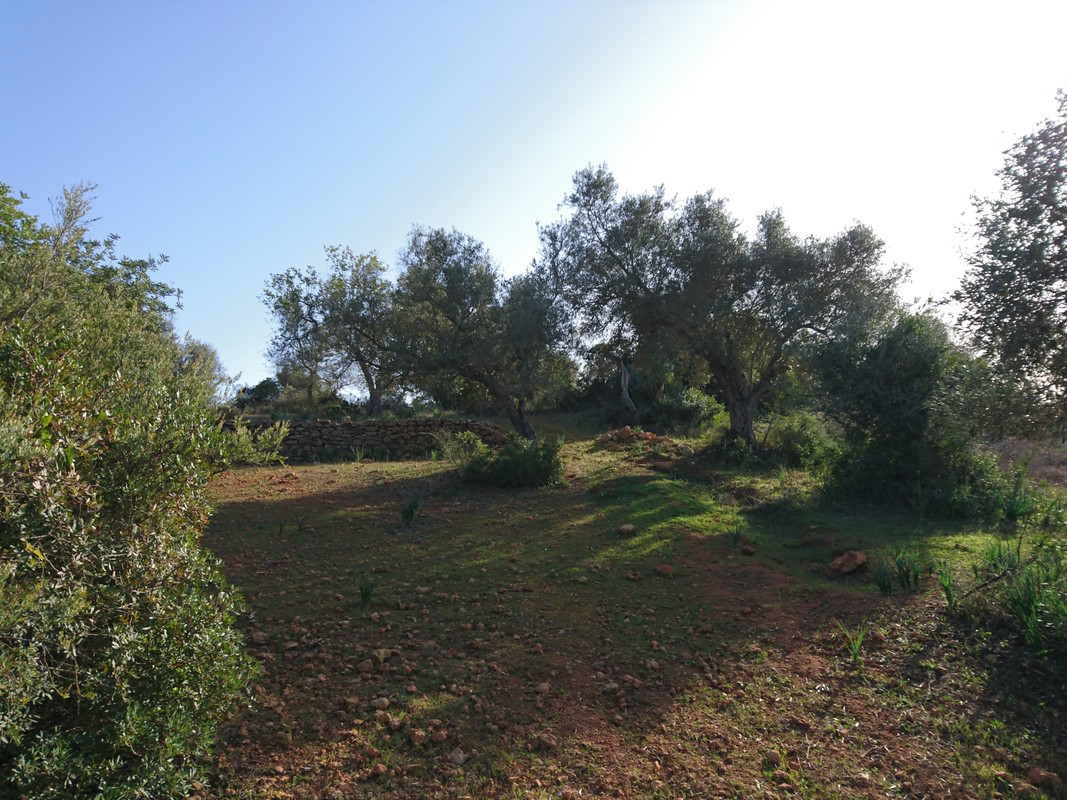

I skip photographing the orange orchards and cane stands along the river, and here we are off into unkept countryside.


A view over the valley
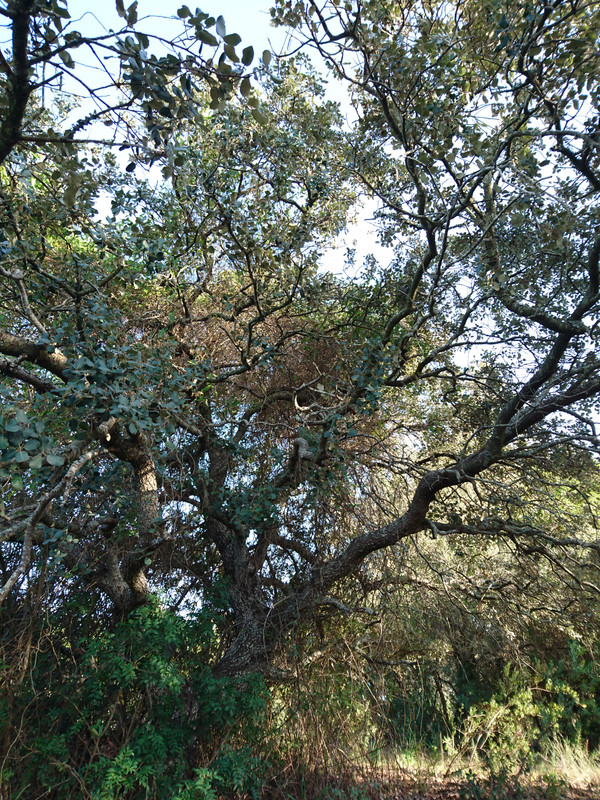

A normal oak
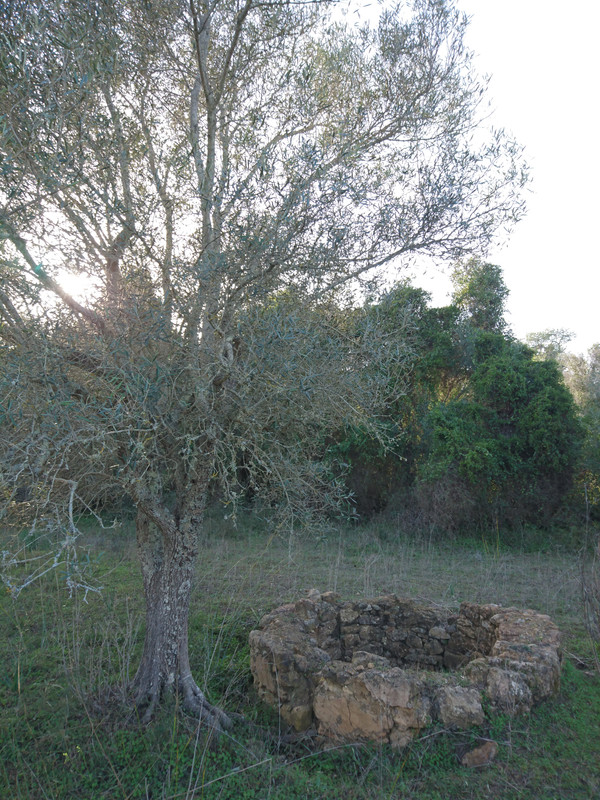
Past the olive tree well
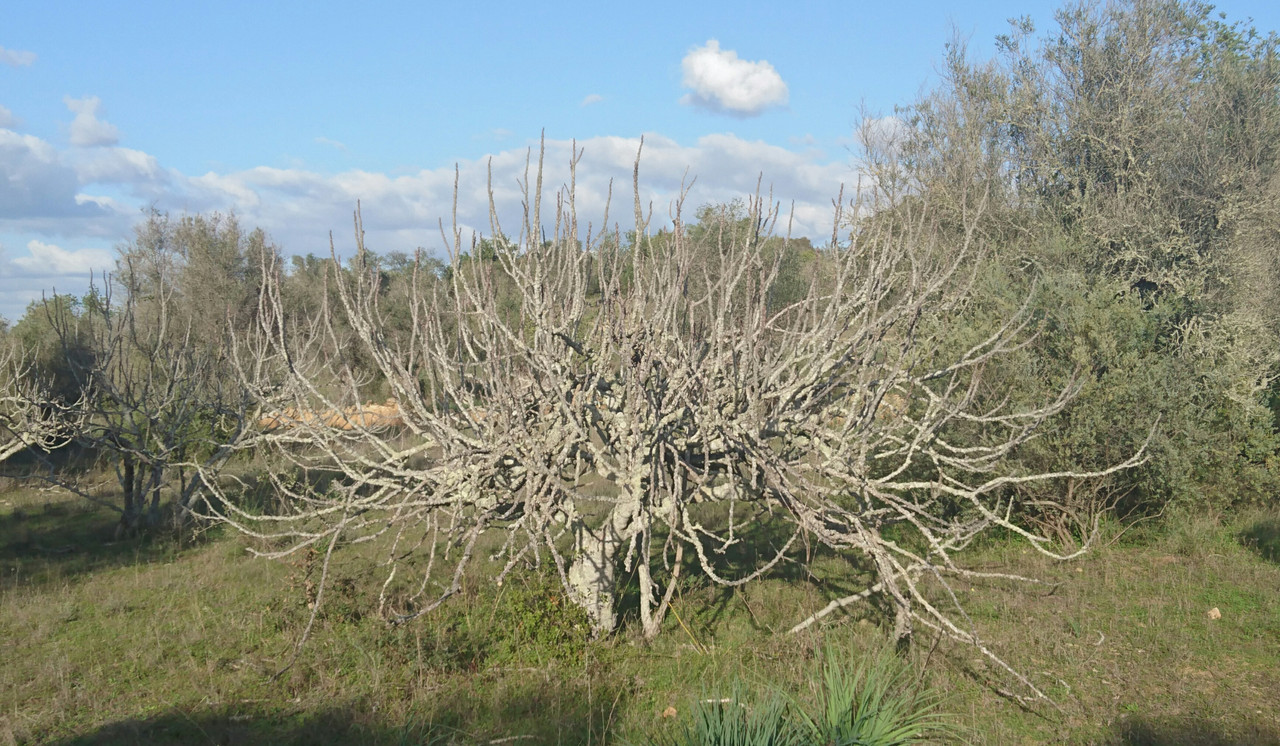

A fig for a kiss
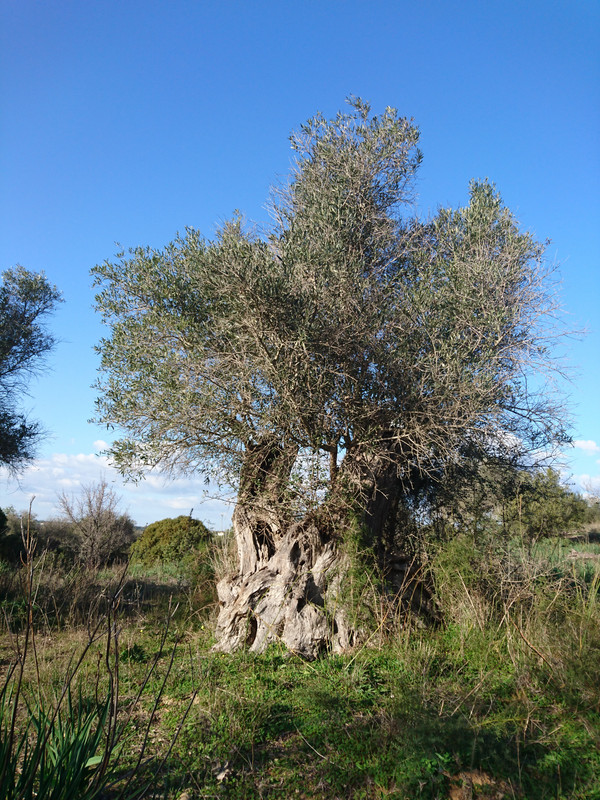

This fellow is old, definitely over three hundred years I think, possibly five hundred or more.
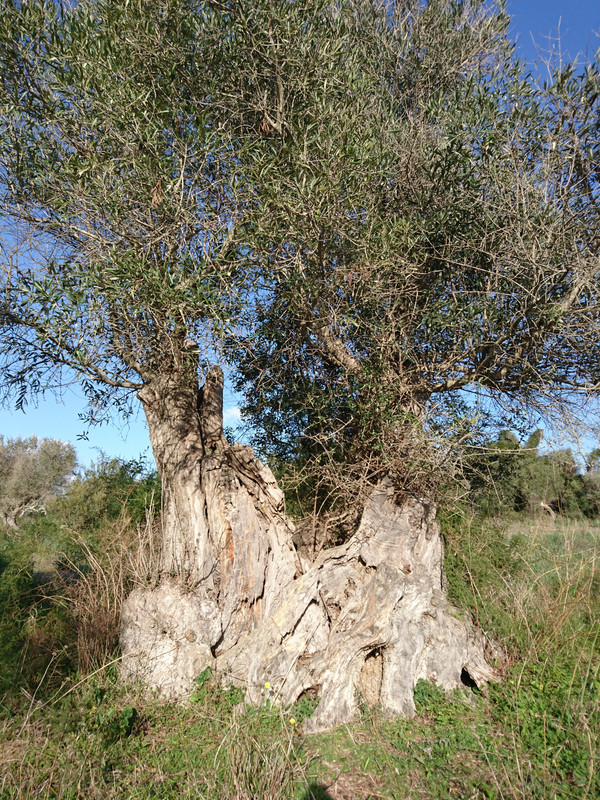

There is no easy way to judge exactly, the trunk here is something over two meters diameter, height around five meters.

Here is one considered the oldest by some, 2000 to 4000 years old. They take on this form often eventually.

https://www.approachguides.com/blog/oldest-monumental-olive-tree-vouves-crete/
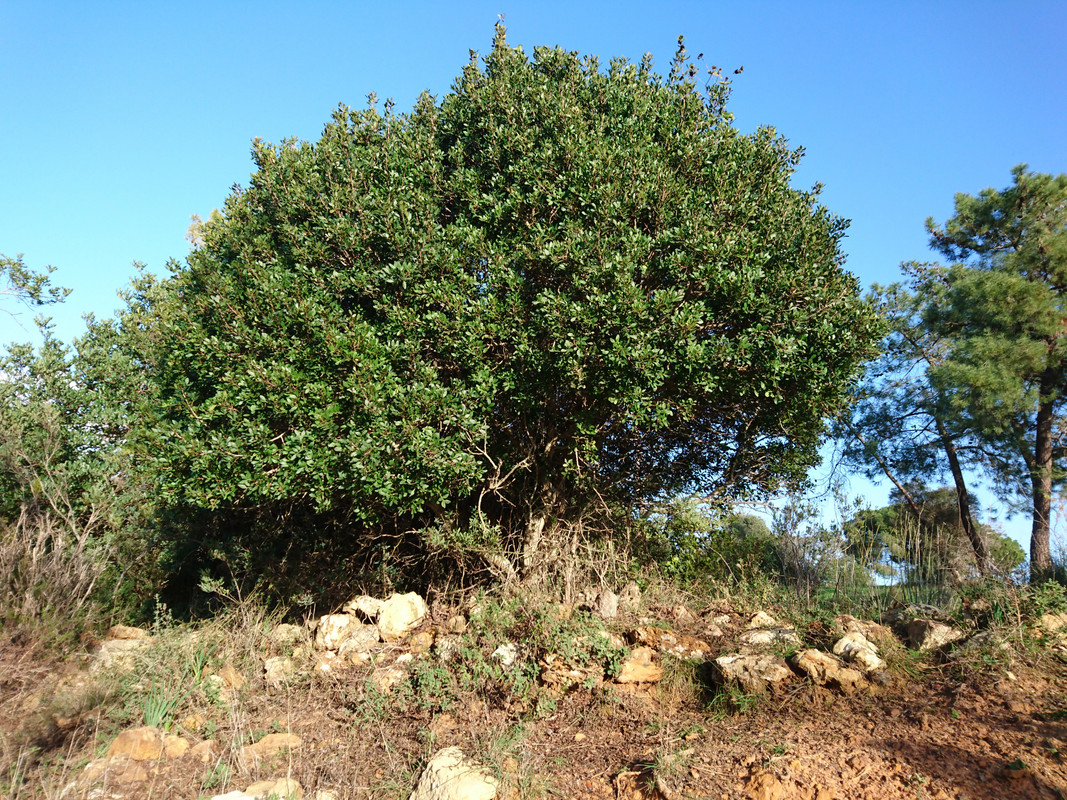

A mastic tree, most are little more than bushes, this one is a couple of meters high. The wood is supposed hard and colourful , in Greece they call it sxinos I think. I have only found smaller branches and not turned them yet, I think colourful is for older wood.
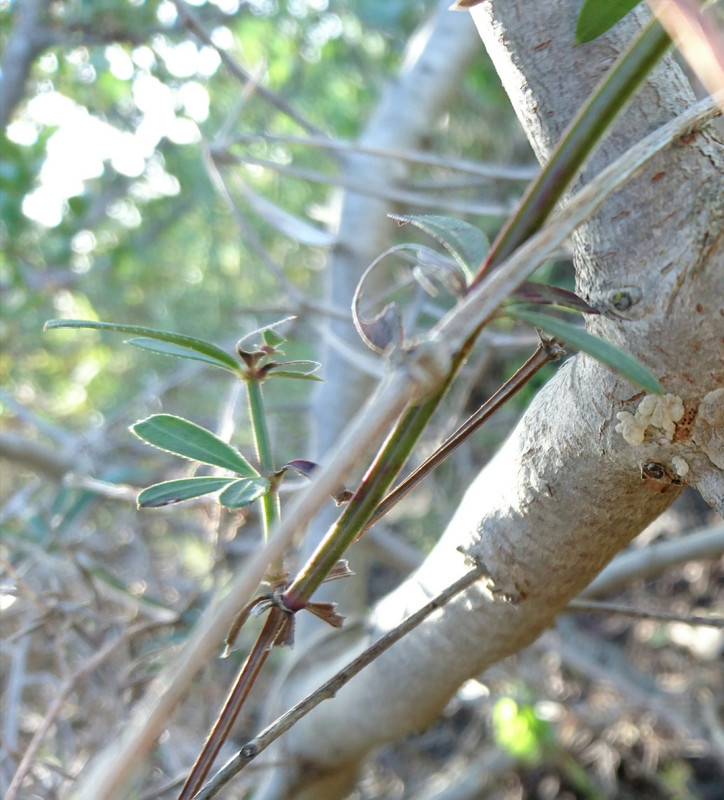


When grown in orchards the branches are marked to give mastic sap, but otherwise it is just found in places on the tree, here on right looking like icing.
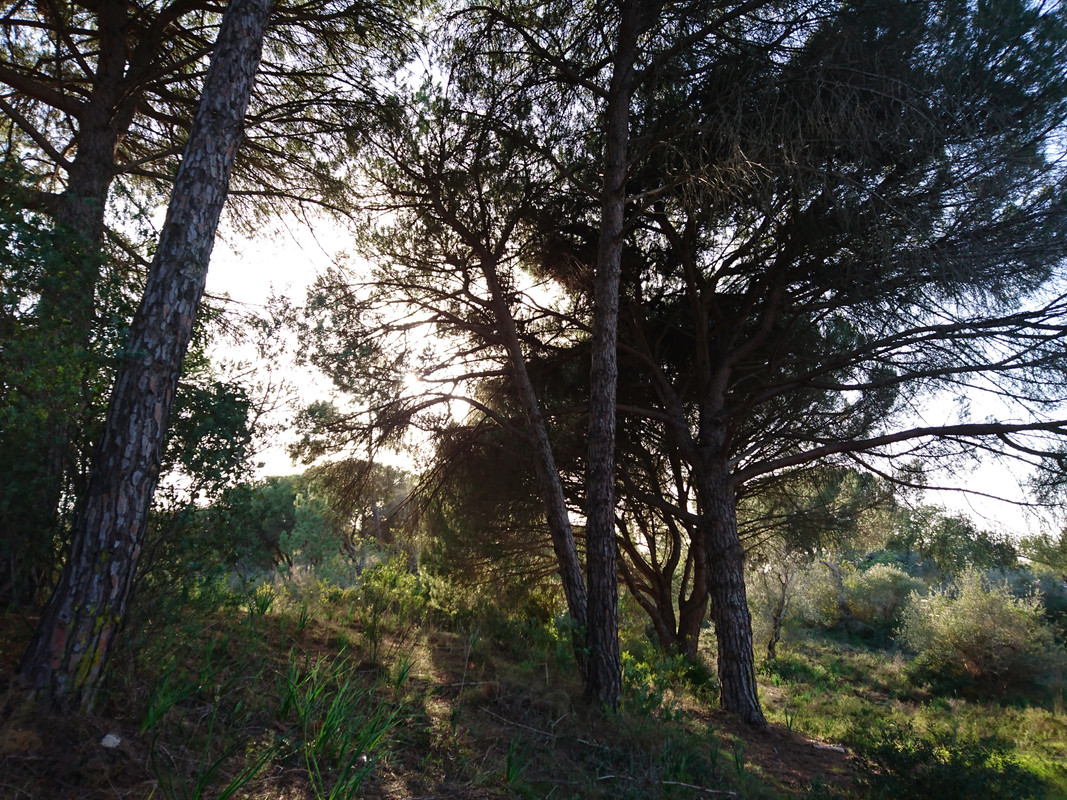


Through stands of pines
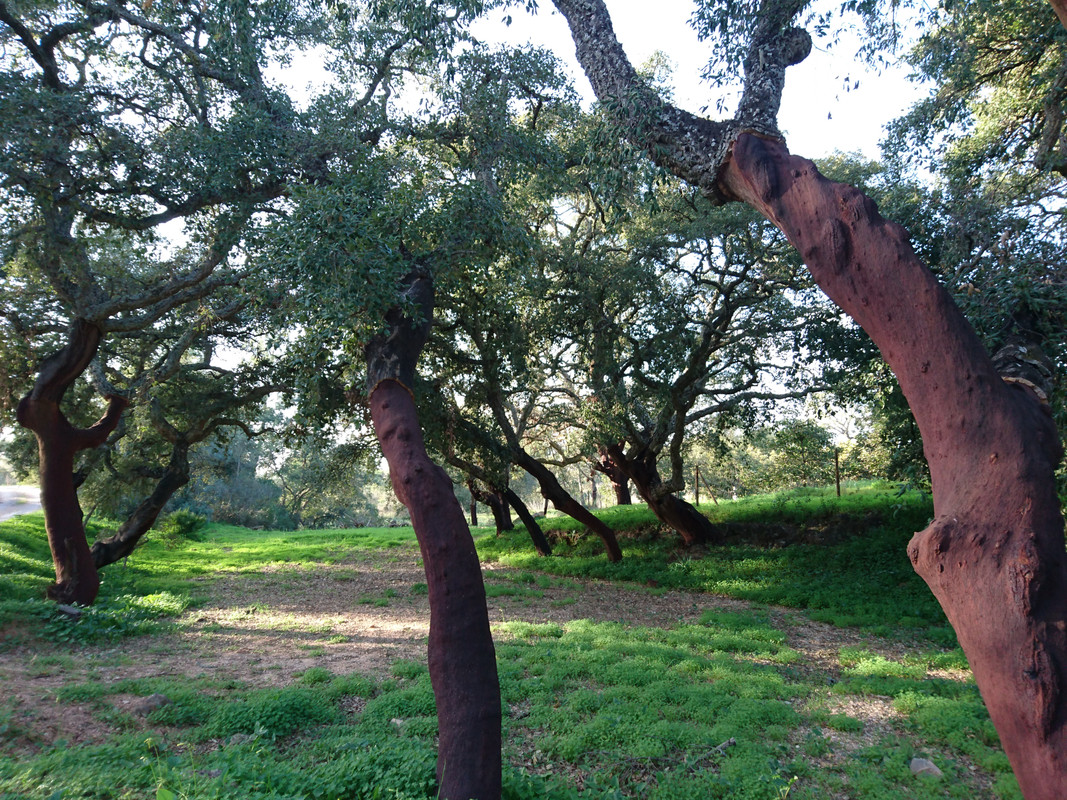


And to the cork oaks. If I remember, nine years till first harvest of cork and every five years thereafter.
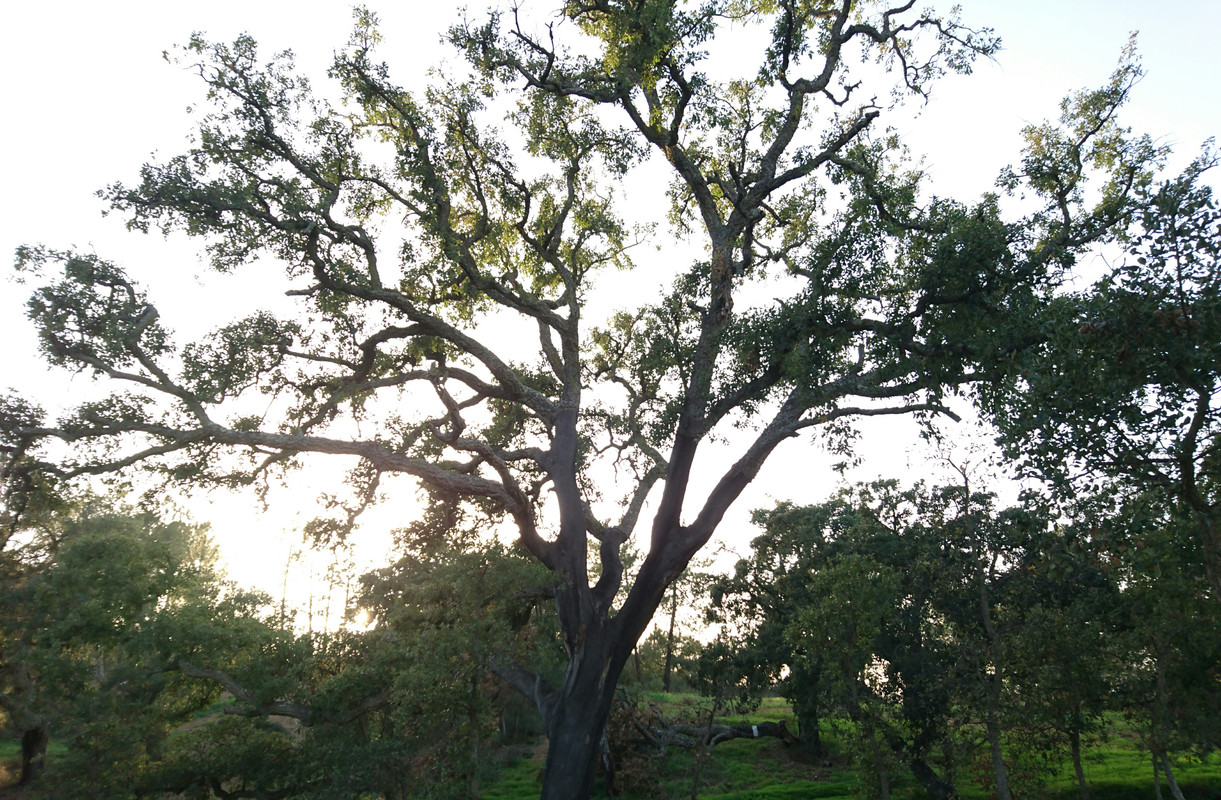


Our tree is lower right with a band painted on the branch
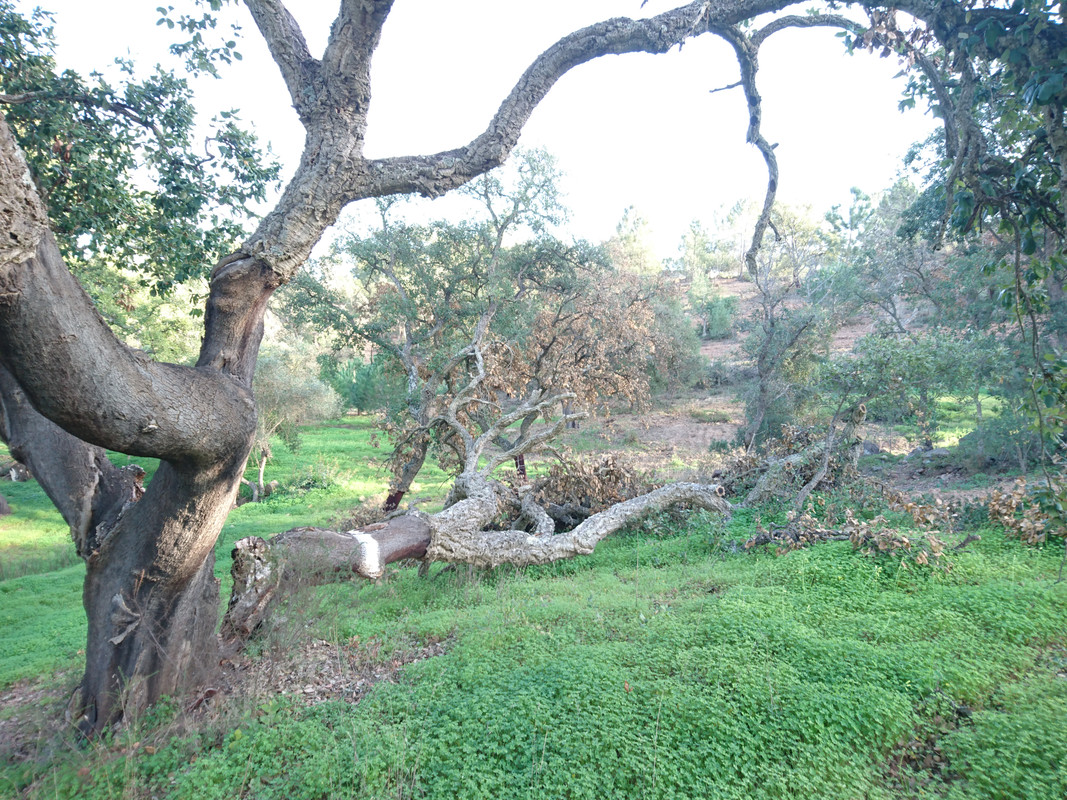


The fallen branch is the size of a medium sized tree by itself.
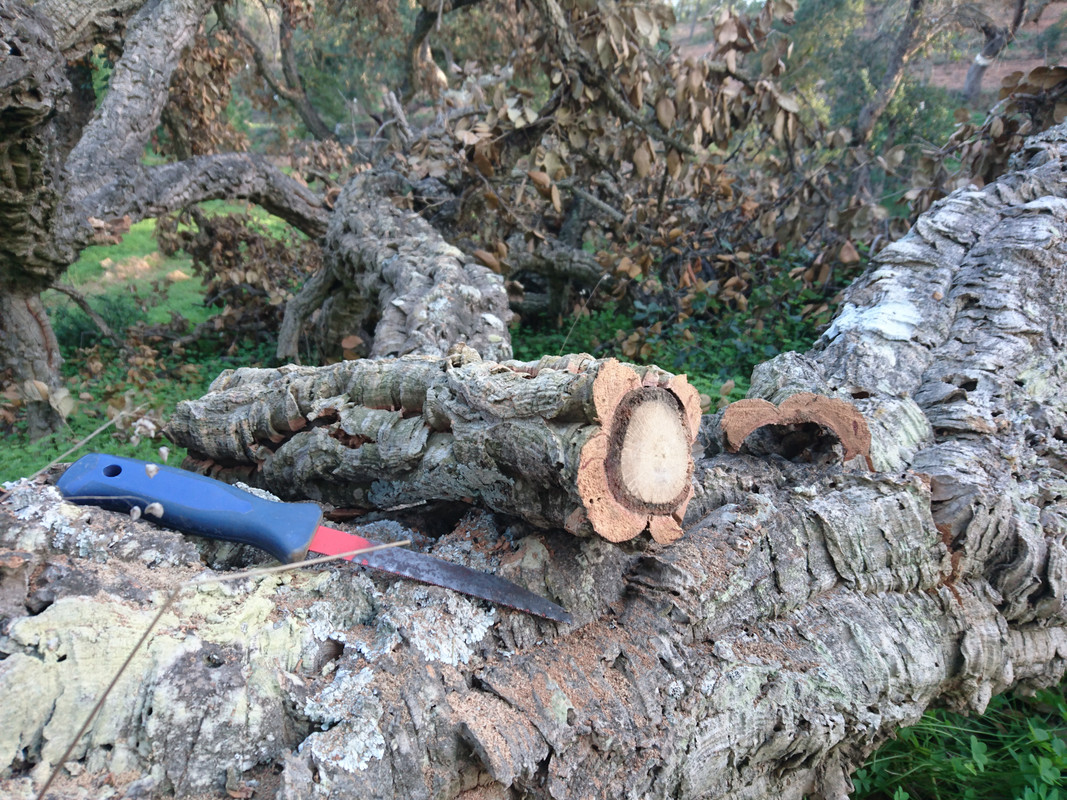

An offcut. I had put the hacksaw blade on the saw instead of the wood blade, and not on purpose :slight_smile: . Center is clean wood, and between that and cork is either mildewed new wood or new cork, it just strips off with the cork.
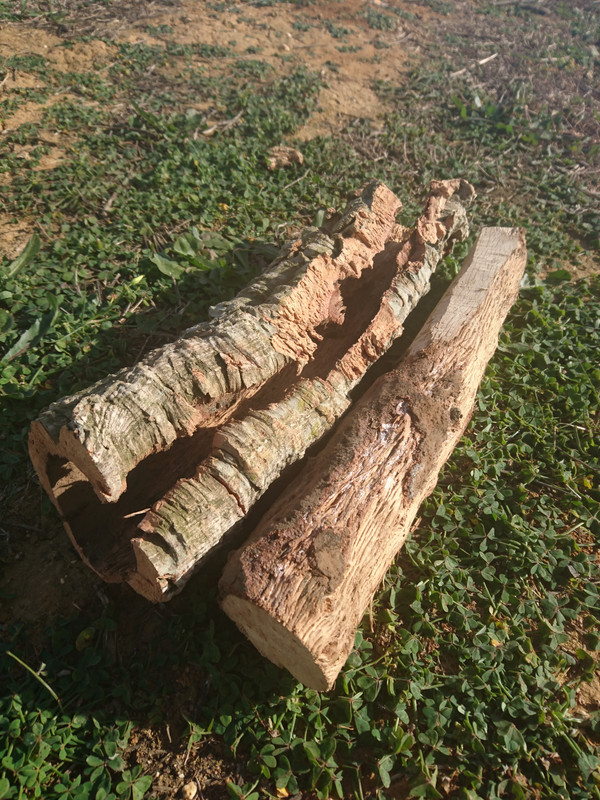

I hadn’t cleaned this one off fully before photo, here with bark off.
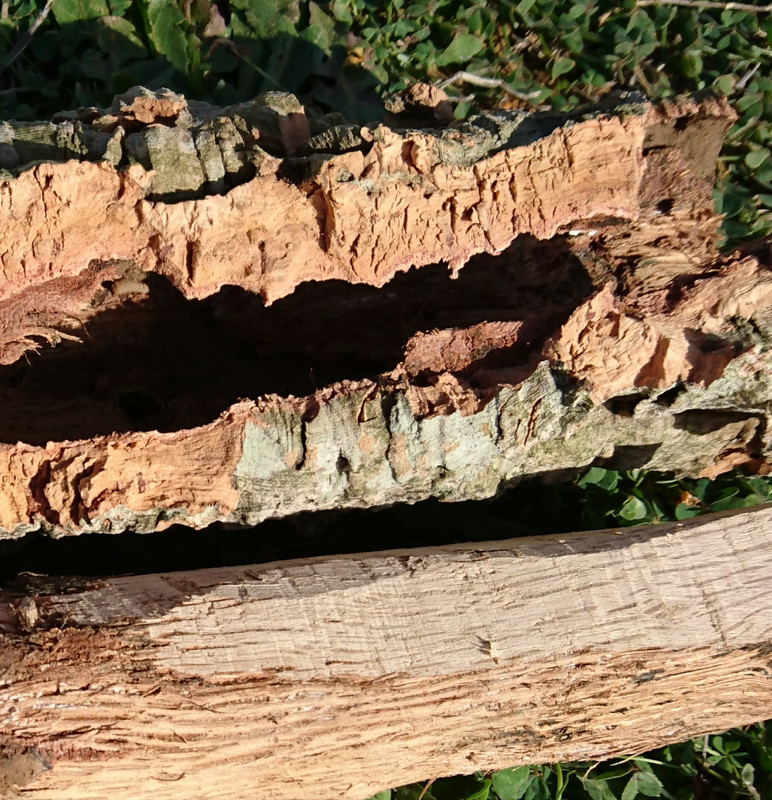

And here you can see it is ribbed on outside, which actually gives a striped look where shaved back. Looks like gaps in the wood but it is solid, I think called zebra oak by some.


I haven’t turned any yet, something I look forward to. This piece is roughly forty by five centimetre diameter, so a whistle or part of a flute, or a fife . Cork oak is harder and denser than normal oak.


And that is what a walk out in the countryside here looks like :slight_smile:
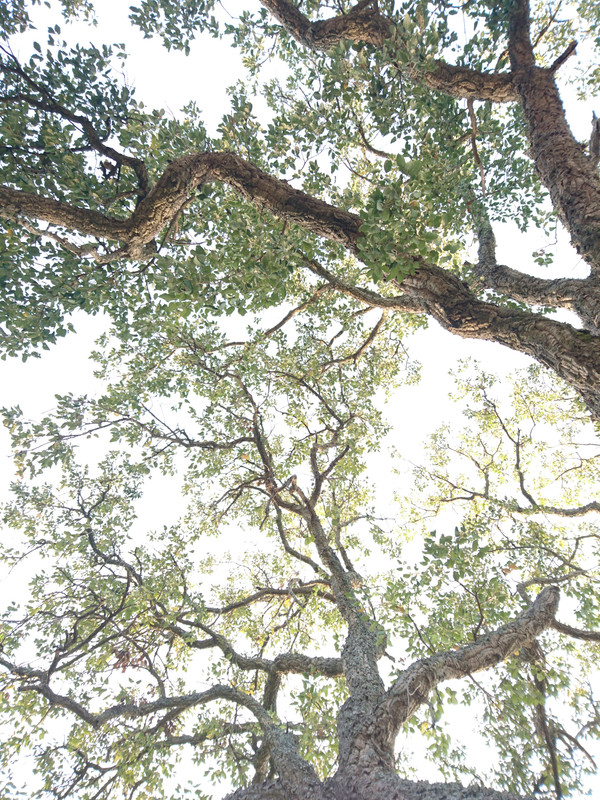


@MrGrumby

That is very sad. Here we have the Iberian Oak Decline (driven by Phytophthora Cinnamomi), even in that forest pictured various trees have dried. Terry would know about restrictions on imports of flora, in Oz they are very strict, but seems not so much in Europe. Our rabbits caught Myxomatosis (by mosquito probably), only one survived which was a semi wild one, which had some immunity. I read up on it and actually it isn’t from Europe, it was imported from south America and a French scientist released it in the 50’s , received a medal for wiping out something like three quarters of the rabbit population of europe and almost driving the lynx to extinction. At least Ireland being an island might protect itself quite well if it chose to from these sort of events.
Lovely stuff. It’s good to see the environment other posters find themselves in, gives a nice perspective. Love the old olive trees and the cork oak.

I remember Mixomatosis as something deliberately introduced in Oz, to control another introduction. Never a good idea. I remember when I was about five, seeing dozens of blided rabbits stumbling around the sand dunes (that was not in Ireland), a dreadful sight.

@MrGrumby

That is very sad. Here we have the Iberian Oak Decline (driven by Phytophthora Cinnamomi), even in that forest pictured various trees have dried. Terry would know about restrictions on imports of flora, in Oz they are very strict, but seems not so much in Europe. Our rabbits caught Myxomatosis (by mosquito probably), only one survived which was a semi wild one, which had some immunity. I read up on it and actually it isn’t from Europe, it was imported from south America and a French scientist released it in the 50’s , received a medal for wiping out something like three quarters of the rabbit population of europe and almost driving the lynx to extinction. At least Ireland being an island might protect itself quite well if it chose to from these sort of events.
I had heard about the decline of the Iberian oak. That sort of thing is so terribly sad, the whole landscape as you know it disappears with the trees. Here on the coastal fringes the Ash is pretty much the dominant hardwood broadleaf tree, it’s hardy and easy tp grow and widely used for windbreaks, field boundaries etc. You have the old farmhouses nestled in the landscape, surriounded by mature trees, creating their own sheltered space. Now that’s all going.

Last week I was walking in the Burren National Park, there used to be sheltered places in the folds of the mountain where some ash trees managed to grow, little stands of trees providing shelter for cattle on winterage or herds of feral goat. It was all dead wood now too.

Bleeding canker is also going around, affecting the horse chestnut. A bit further inland I have seen a good few affected trees.

Trees tend to find sheltered spots where they thrive. There are two small rivers coming of the bog where I live, they cut out deep valleys where native oak, hazel and whitethorn etc grow. Badger and foxes in abundance.

One of my lockdown walks is near the next town, another deep valley that had a 18/19th century pathway between the Glebe house and the local ‘big house’ , it’s a place full of mature beech trees, long neglected but in recent years opened up a bit and now a walk popular with locals. There was great solace in walking under the cover of trees these past few years. Yvonne Casey composed a tune ‘Bluebells in the Glen’ in honour of the place, by the way . Photos not the most recent (2017), but I had them handy.


It seems not everyone is down with trees :smiley: https://www.youtube.com/shorts/vvC2MHJezF0

Bob

Wow. Just … wow.

I didn’t mind. Made me smile, actually. I thought the shark was a nice touch; after enough beers, you might see one. :wink:

As for ice fishing being fun, well … it depends on who you ask. It’s not for me, and I was born here.

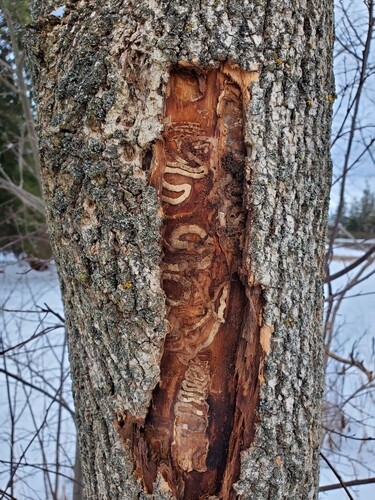
Around here, it is the emerald ash borer that is devastating the ash trees.

We are fortunate in having other native trees that still thrive here, like black walnut, in the foreground, and eastern red cedar, in the background.

The Ash borer’s arrival here was reported around the same time as the fungus. A ‘double whammy’ as reports called it. It doesn’t seem to have spread quite as fast as the fungus though, but I may be mistaken.

Bog wood. There’s plenty of that around too. Oak, larch and whatever the old forests were made of. Anywhere between 1000 and 20000 years old. I have seen at least one flute made from bogwood (not sure which type though), it worked well.

Here are two examples of oak stumps in a drowned forest along the river Shannon, between Carrigaholt and Kilrush:

@Mr. Gumby Trying to find time to reply properly
@Nano I wasn’t sure, for a while I thought maybe it would be seen as defacing a personal photo or something.

Nah, it was just playfulness, and that is a most Chiffly thing. But so is thoughtfulness, and I’m appreciative that you had concerns.

FWIW, I don’t post personal photos, and it’s only for the reason that, to this day, I haven’t gone to the trouble to learn how (in part because I like to keep my Internet presence minimal, and in part because I’m just lazy). And it’s just as well, because I’d probably be boring everyone in the Pub to death with a gazillion pictures of my cat (once I get a new one, anyway). Instead, I trawl the Web for pics that suit my posting needs. I cannot rightly lay any kind of claim on them. :slight_smile:

It may be Imbolc, but we lack the Gulf Stream, so the regional climate has more in common with Siberia, and local trees are more likely to bud closer to Bealtaine, in late April at the earliest; tonight will see a low of -14F (-25.5C). For us, meteorological Spring begins with March even if there’s still snow on the ground, and there usually is. Such is the Upper Midwest in the US. But it occurs to me, especially this year, that we may see earlier Spring warming than we normally count on. While I’d welcome that on a personal level, on a global level? Not so much.

There are people on the internet who don’t want to see cat pictures???

Good question. If such people exist, I think we should irritate them. So in keeping with the thread topic, here’s a cat tree (genus Felidendron) in full bloom:

Possibly the best kind of tree!

@Nano

Here most years it stays above five degrees, but anything under ten degrees is the same for me, right down to minus 25. Actually very cold is often acceptably dry, while north of zero is often wet or damp, like England…almost always cold and wet in England… as I mentioned a while back :slight_smile: .

We are in an ice age now, and an interglacial period of that. Most of earth’s history is out of ice age though. Rapid change of climate is not good for adaptation, and we don’t want to end up like Venus or Pluto either, but outside of that it is very hard to discern exactly what the anthropogenic effects are, and even if they are negative. For habitat, species and pollution it is all much more obvious, so sometimes I think all those different main difficulties are just swept up under the carpet theme of global warming, to be more ignored. People tend to, or choose to, dedicate their attention to a priority .

In a few billion years we are going to have to figure out how to get to another star… probably attach boosters to earth and live Ark like underground for thousands of years or something…but who knows what level of science and travel will exist then…maybe will be importing fuel for the sun ?

I am not much a cat person, though I appreciate them from a distance…a reflection of their own nature maybe (except when they are hungry or want attention). I used to have a full pedigree Siamese cat in England, Amberwich Pendragon, which was left with friends when we left. In Spain we took in a Siamese street cat as kitten, but it slowly went wild. When we moved home, it savaged me when I tried to place it into a cat box. Transporting the box in the middle well of a moped to destination was too much for it. It was a proper container, but it went beserk and half way along burst out and dashed off, never to be seen again.

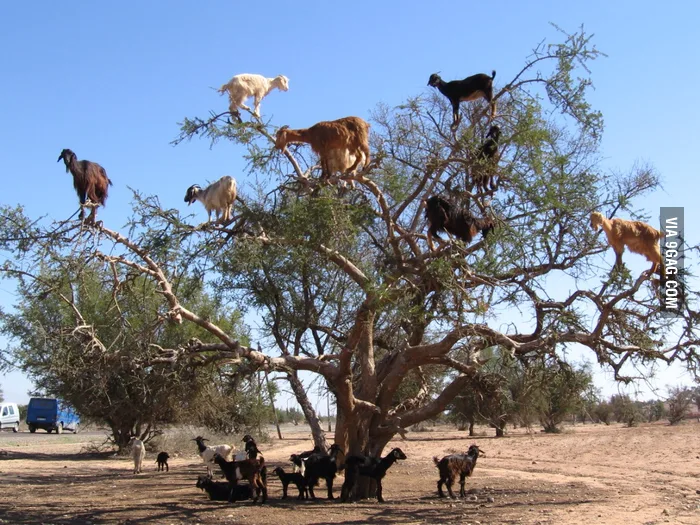
The nearest tree to your Felidendron around here is on the other side of the straights of Gibraltar in north Africa, the Capranthus Marocensis


(Web Photo, not mine)