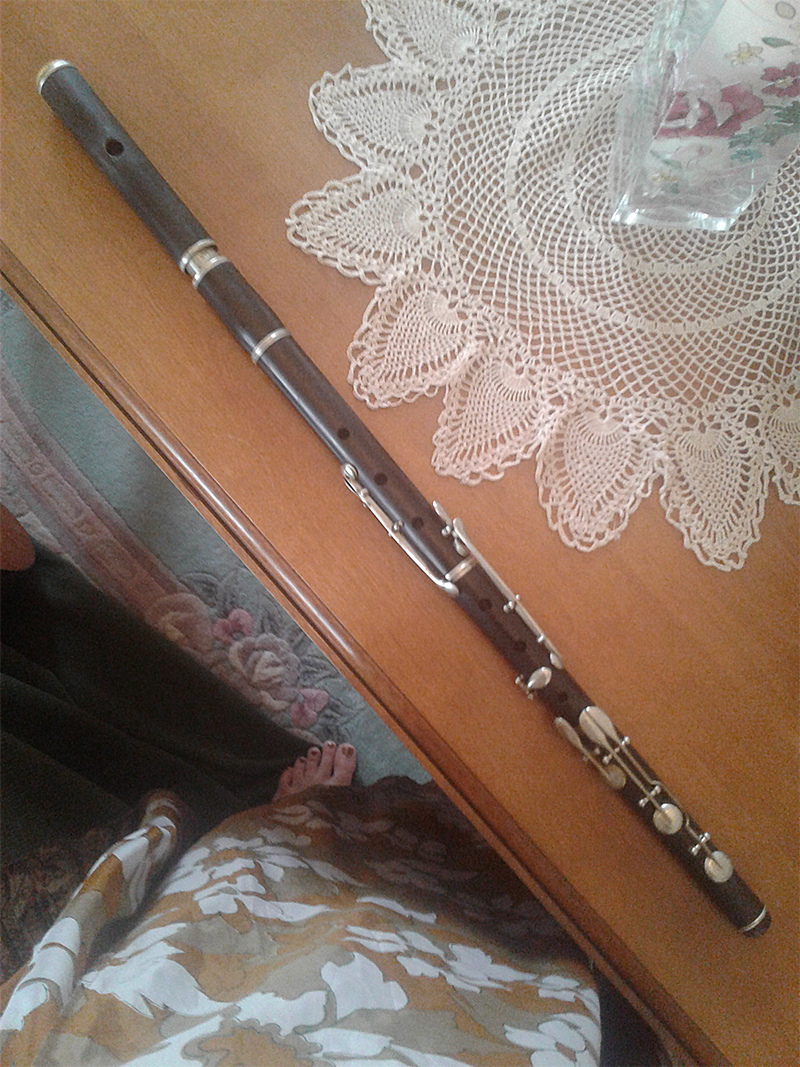
This came in the mail yesterday, from Ebay, where its old owner knew very little about it. https://youtu.be/PEHabsBho1s
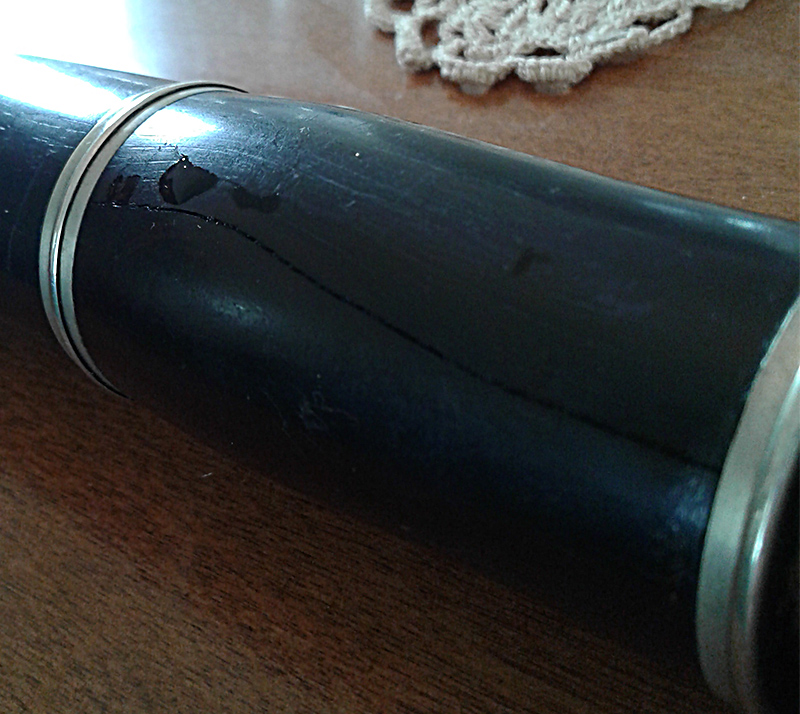
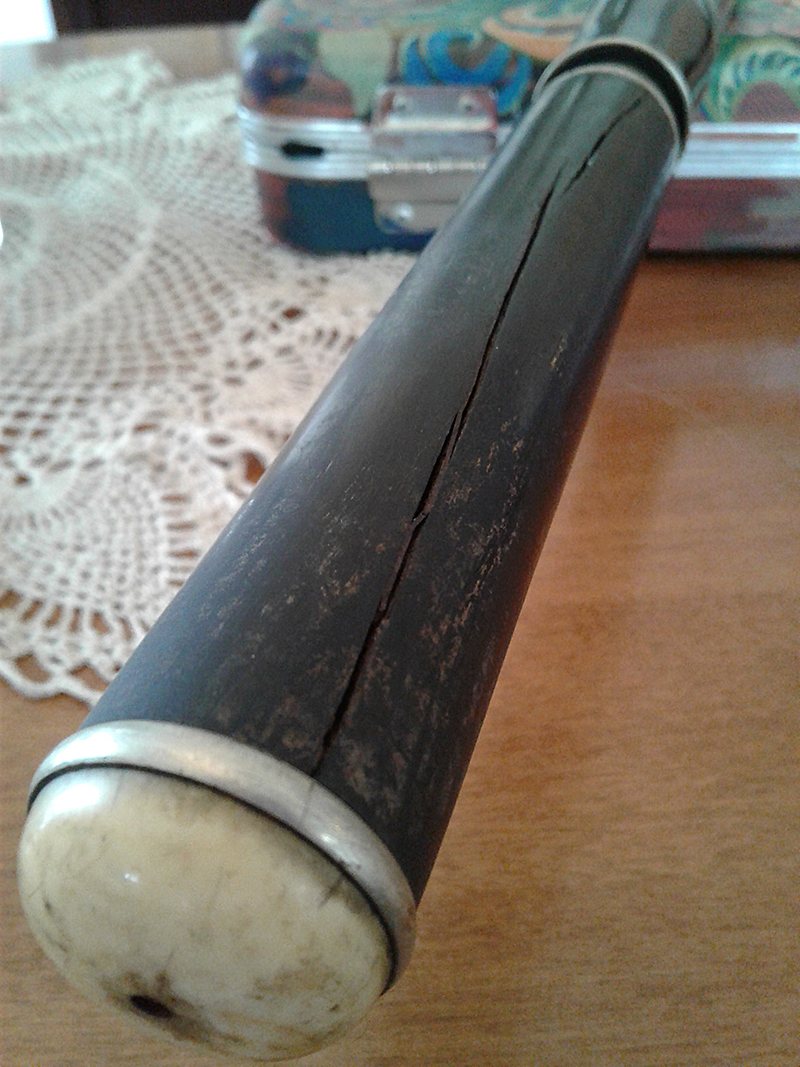
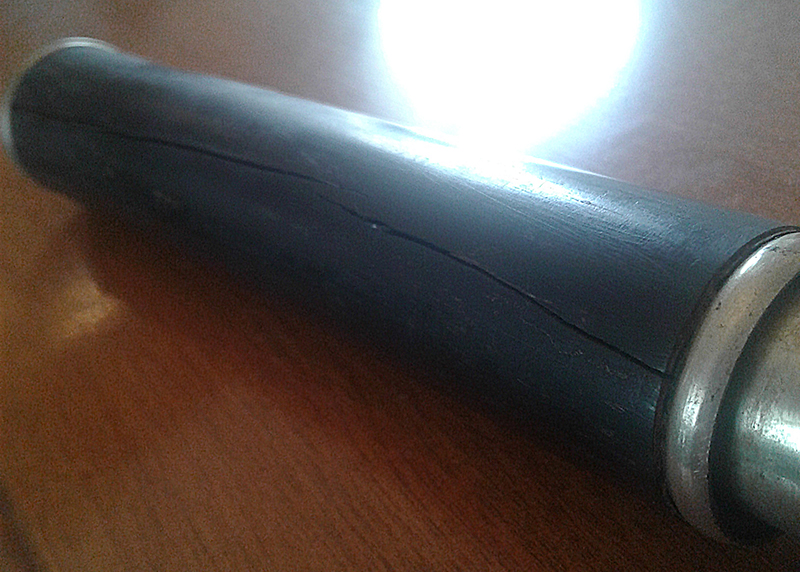
Showed it to a friend at a session last night who said it was likely from 1870s/1880s Germany and also kindly helped me bind up the crack in the head joint.
When I unpacked it, I blew through the headjoint and got a clear, crisp sound. With each successive piece added, it got fuzzier until it was fully assembled and hardly played in the first octave, but the second octave was rather clear. After a thorough oiling and about 15 minutes of playing, it does seem to have a first octave. It’s quiet, but I suspect that has more to do with me than it does with the flute.
Bought it so I had something to play at church since we don’t do a lot of playing in D/G. Figured I could probably sell it for what I paid if it was a bust, but at this point I’m optimistic.
Mostly I’m posting to see if anyone can tell me any more about this flute.
I’m also curious about repair costs. I’ve read some of the cracked headjoint repair articles out there, like Terry McGee’s. (Also, any recommendations for someone to do repairs in the NYC/Philly area?)
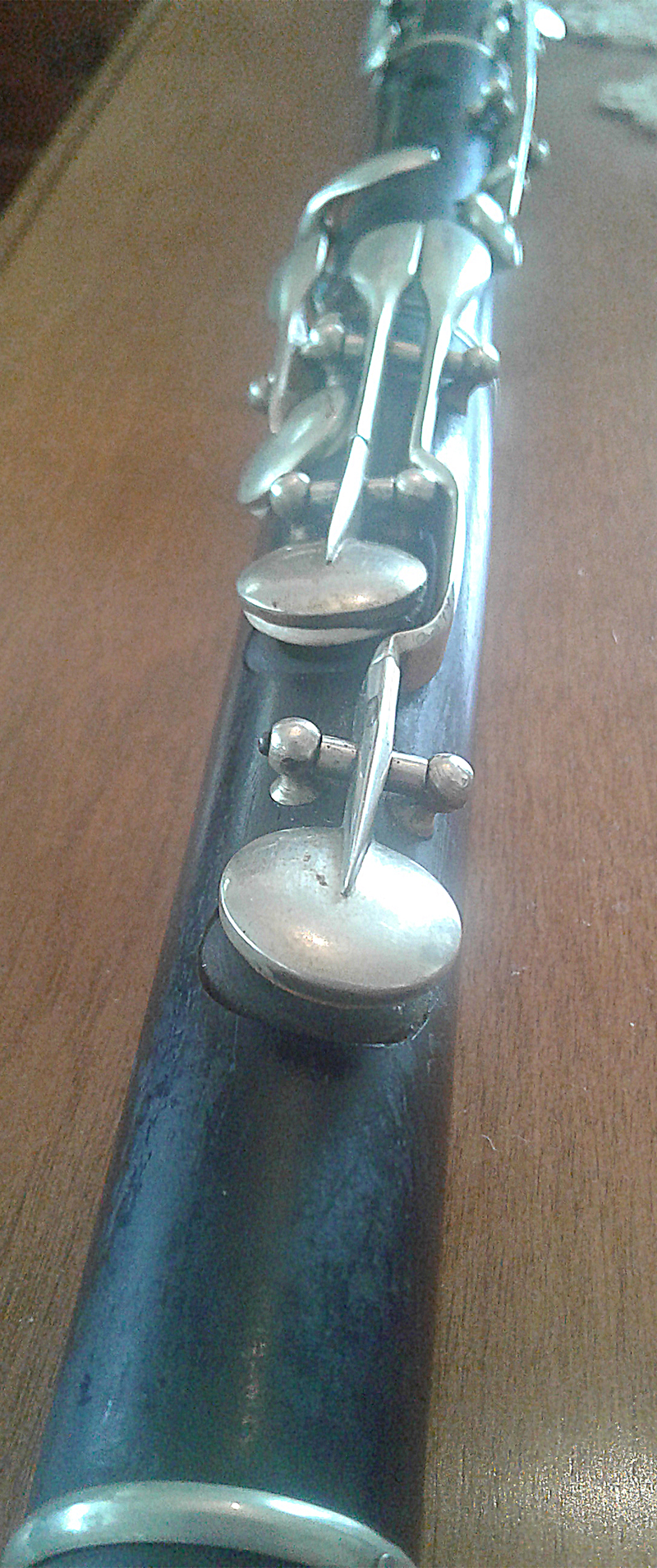
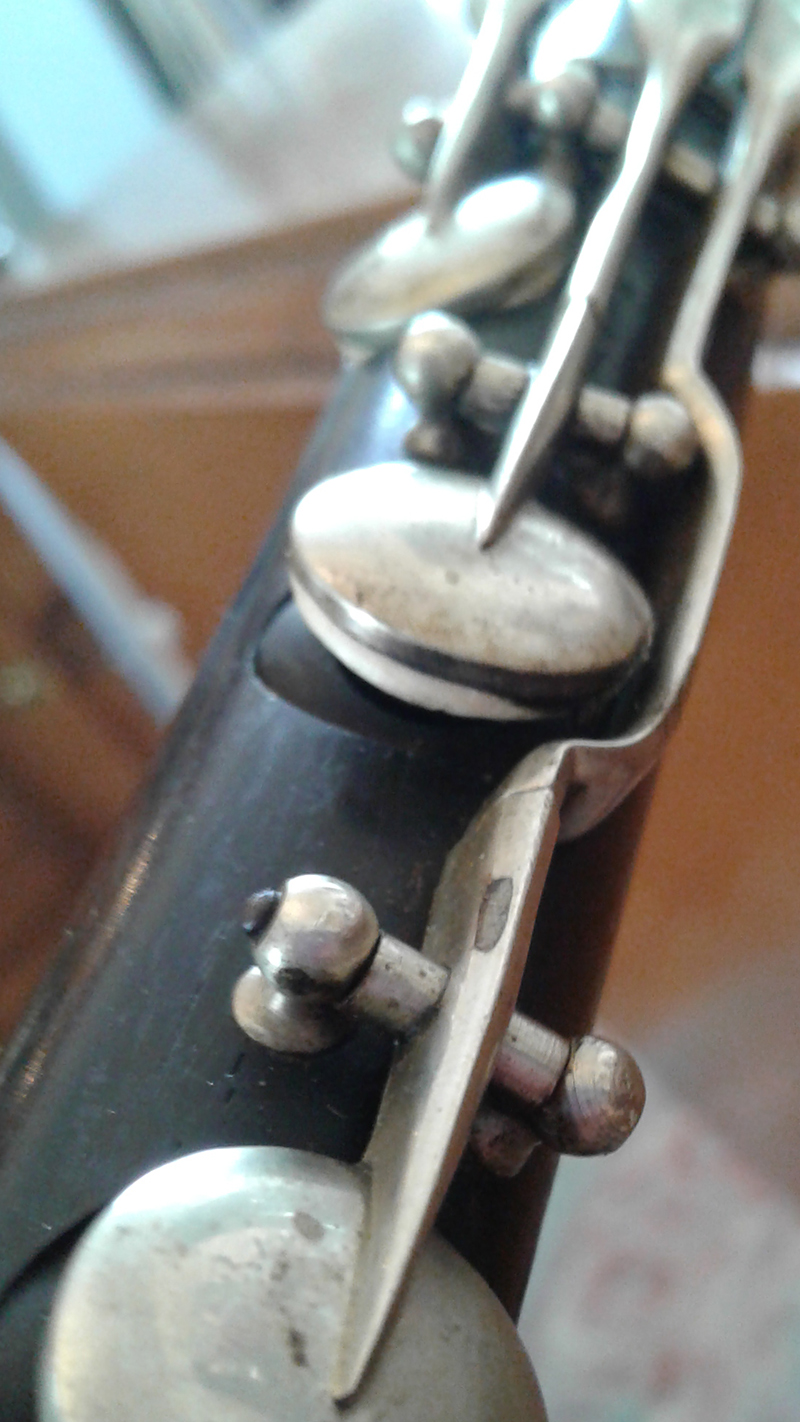
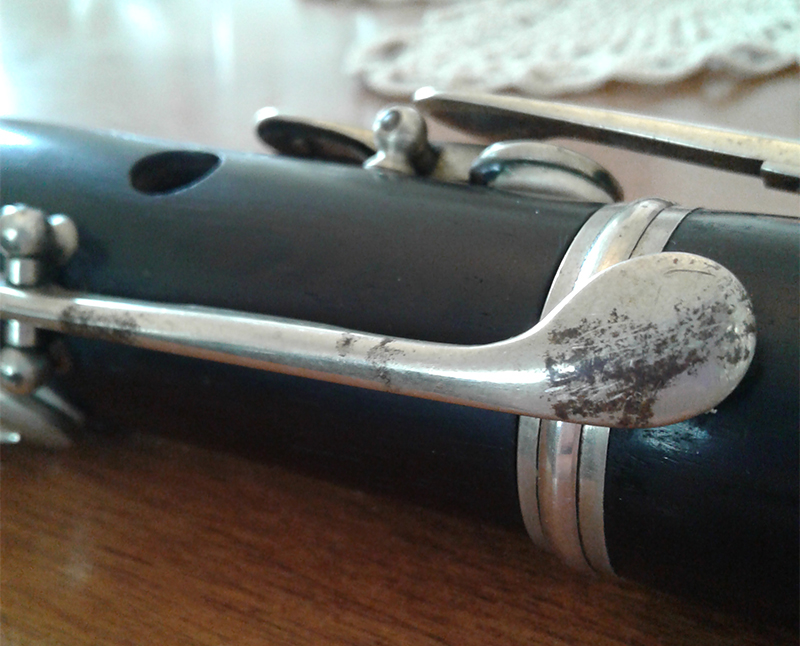
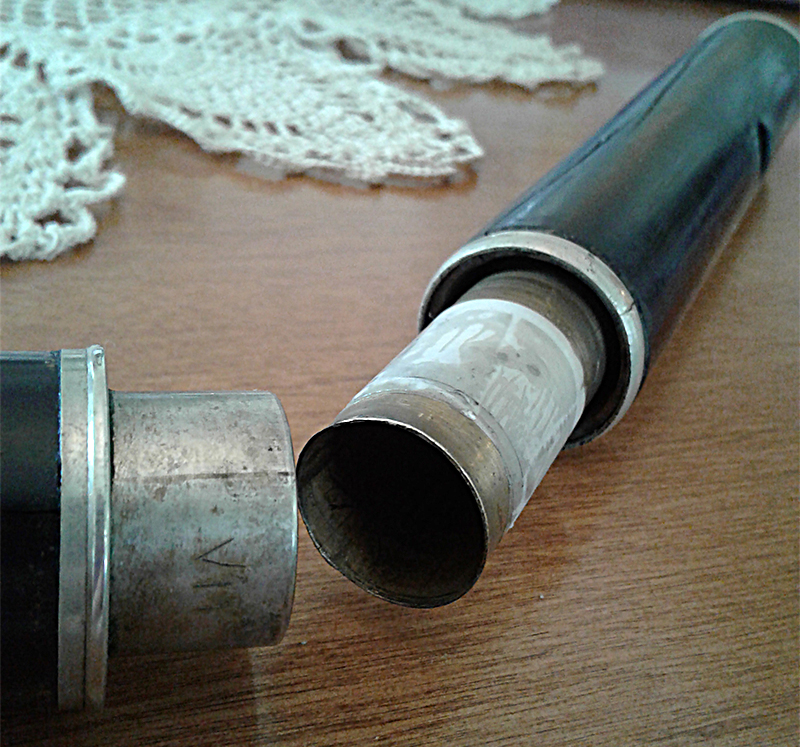
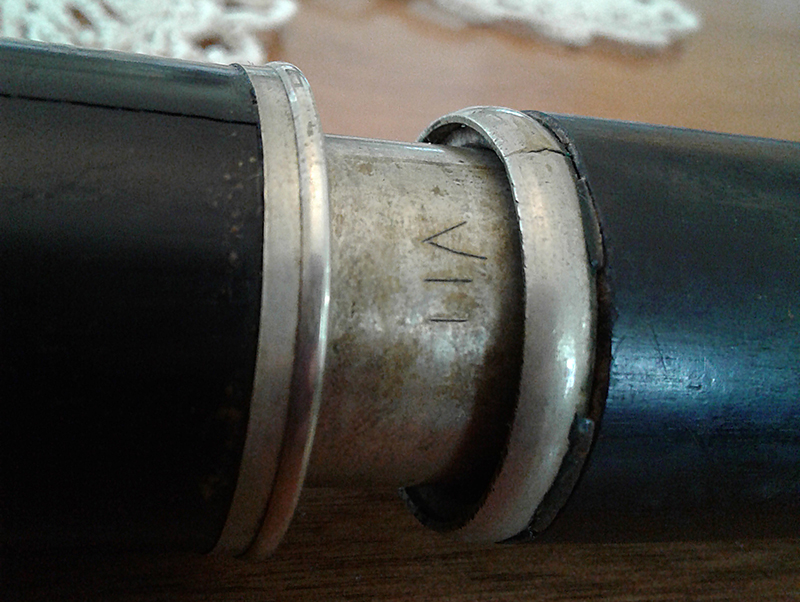
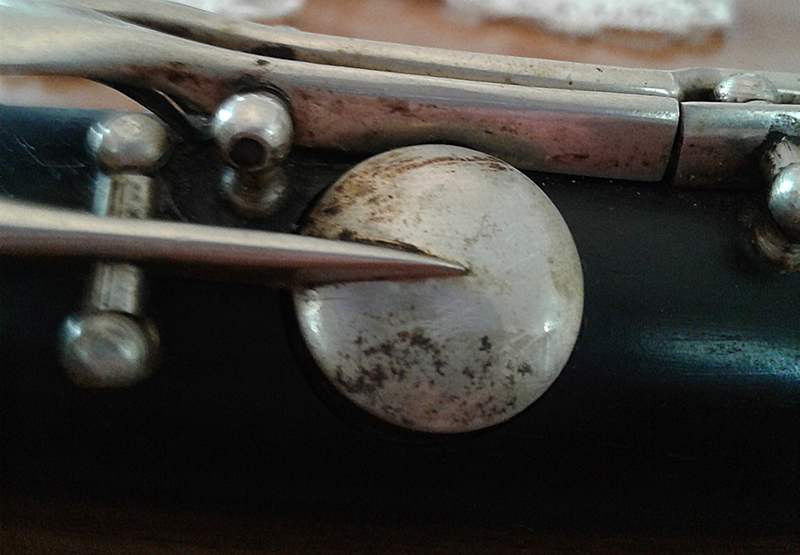
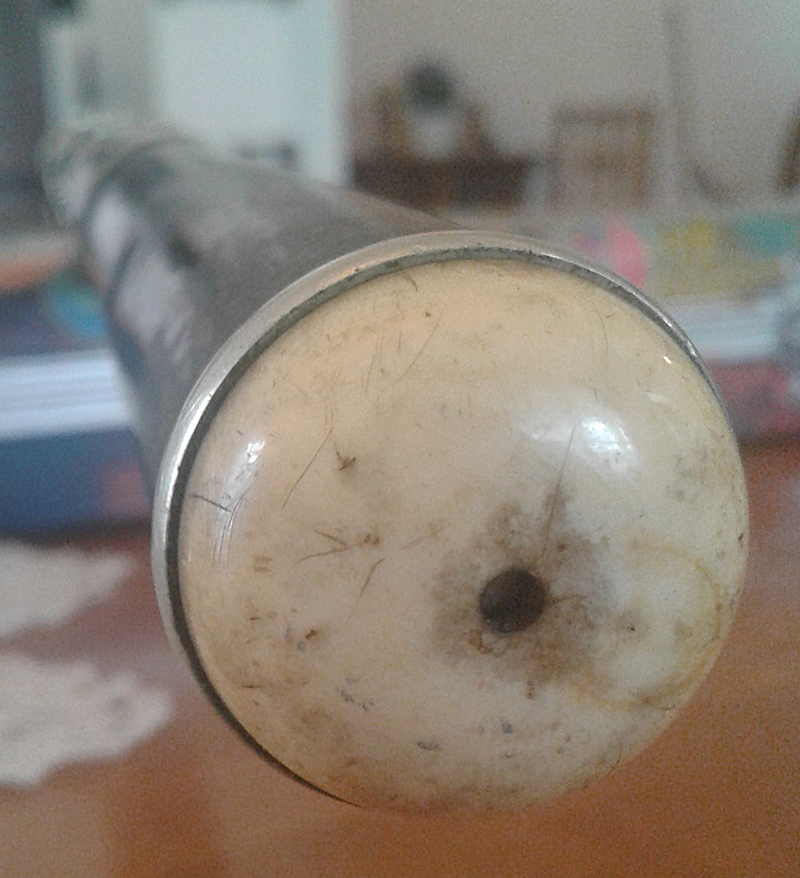
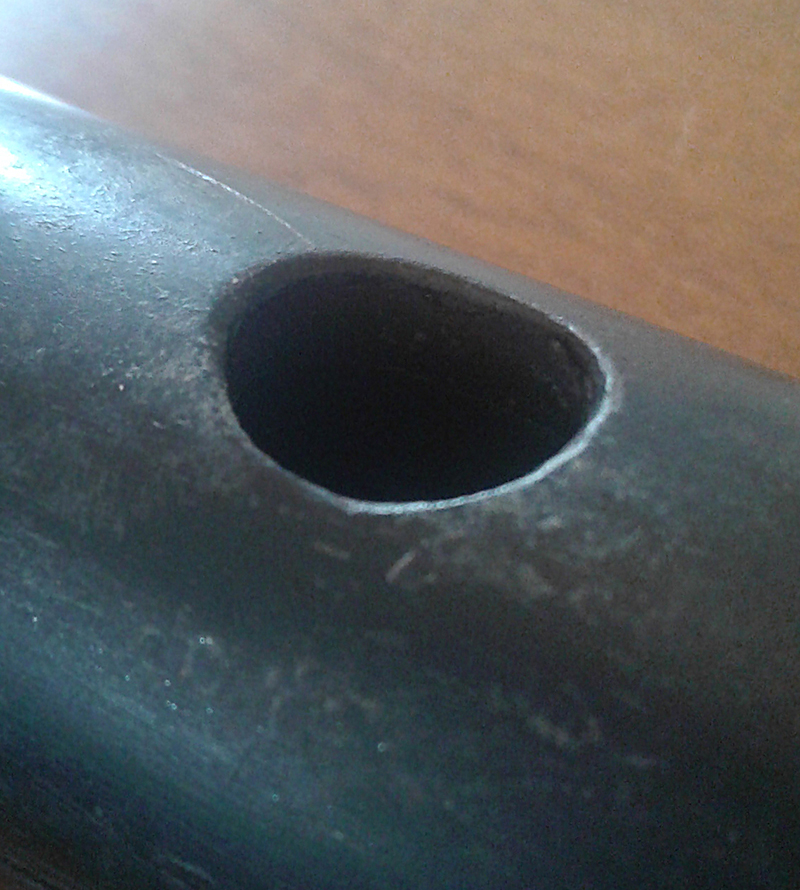
Looks like a pretty typical “Nach Meyer” to me, although you didn’t include a picture of the barrel showing the maker’s mark. Correct me if I’m wrong, but I believe these were made all the way into the 1920’s, so yours could be “only” 100 years old (or so - and I do believe this is the case). Some of these play OK and even do so at A=440, but it’s a crap shoot. The “fuzziness” you’re hearing is almost certainly due to leaks from the pads. It’s fairly easy to re-pad these old flutes, though. I use fake felt I buy at a craft/sewing store (JoAnn’s). You first have to remove the keys, obviously… Then, after removing the old pad, press the key against the felt to leave an impression and then cut it out. To attach it, I use hot glue. If you place the key/pad on the flute fairly quickly, it molds itself to the hole pretty well. You should also clean up the keys and their mounting posts while you’re doing this. Good luck!
The behavior you are describing is indicative of a cracked headjoint. The oil helps seal the cracks; it is similar to the “Guinness in the Flute trick” which made flutes play better (i.e. cohesion of a fluid in the cracks helps compensate for the cracks). I believe the cracks should also negatively impact the volume.
It seems like a reasonable purchase to me. Unfortunately, I can’t contribute much to your knowledge of the flute. You have probably seen Terry McGee’s articles on Maker’s marks http://www.mcgee-flutes.com/Keymarks.htm on keys and based on this page on numerical marks: http://www.mcgee-flutes.com/Key-marks_numerical.htm , it seems reasonable that the “VII” on the might be notes left for the makers rather than helping to identify the maker, though his page is on keys, I’m not completely sure what a number on a barrel/slide means .
The flute playing wasn’t bad. Also, I like your photos, they were very nicely taken.
Terry McGee commented on someone else’s flute “Looks like a German flute to me. Vast numbers of these made in the late 19th / early 20th century and sold internationally through such mechanisms as the Sears Roebuck catalog (in the US). Mostly unmarked, probably to allow dealers to stamp their own names for repeat business.” (https://forums.chiffandfipple.com/t/trying-to-learn-more-about-my-flute/97624/1). So if it is a German flute and doesn’t have a maker’s mark, it could have come from a similar company as what Terry described.
I LOVE the first photograph… especially the toes poking out!
Is it black wood, or is it dark brown with black streaks?
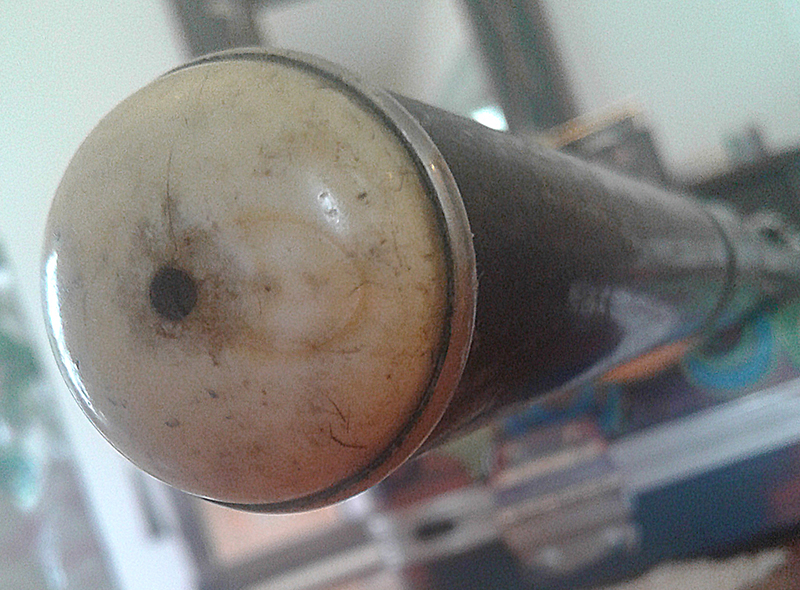
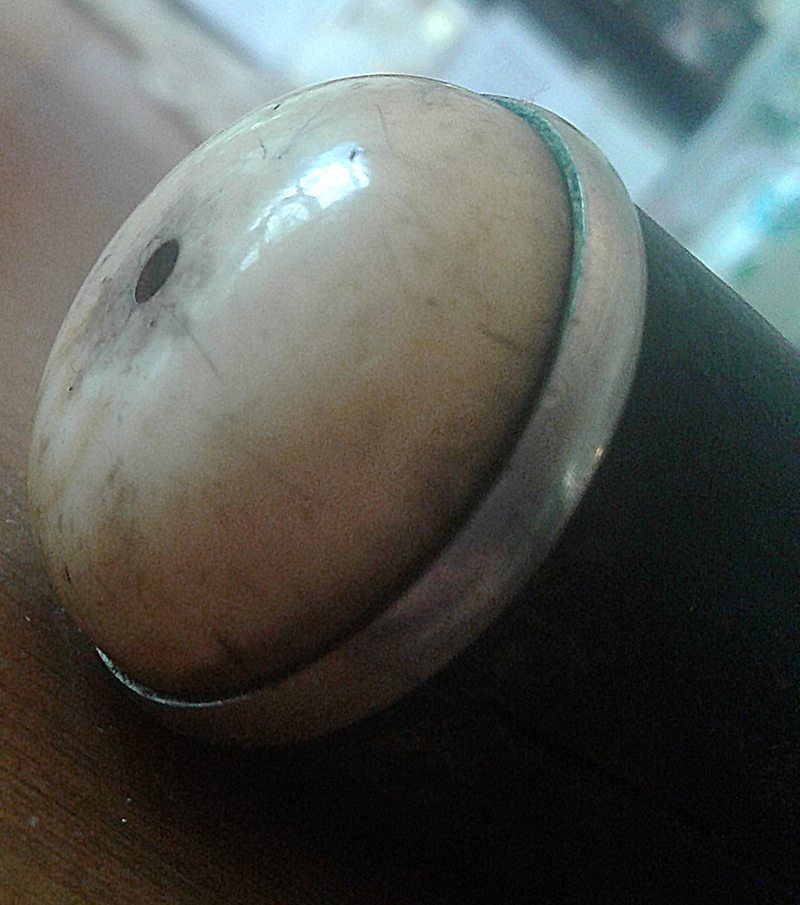
Is the head fully lined on the inside? I can’t tell from the photograph of the embouchure.
It’s pretty cool that wooden, simple-system flutes had this basic design from the early 1800s through the early 1900s. The boehm flute was invented mid-19th Century, but it took a while for it to take over. My 1850 Firth & Pond looks superficially the same until you start looking at the details
I’m not an expert on these older flutes, but I don’t think that one was cheaply made. I’d think it was for the orchestra market, maybe serious musicians rather than the casual home player.
tstermitz wrote: I’m not an expert on these older flutes, but I don’t think that one was cheaply made. I’d think it was for the orchestra market, maybe serious musicians rather than the casual home player.
Actually, large numbers of similar looking flutes were
sold from about 1890 to maybe the 1920’s through Sears, Roebuck, and Co. and Montgomery Ward. Those were cheaply made. Music To the Masses.
Bob
I don’t know the material you refer to as “fake felt”, but I’d be interested to know more…
I repad my simple system flutes with clarinet pads, that can be had in many sizes (diameter and depth) for less than 3 € a piece (at least here in Europe). I found it was generally worth the cost, they seal very well and are easy to fix with hot glue. The site also sells a specific type of glue.
Clarinet pads are fine, but a sheet of the stuff I’m talking about will make a gazillion pads and probably costs the same as one clarinet pad. Gazillion may be a slight over-estimation, but you can make a lot. Not sure what to call the stuff except fake felt - it comes in sheets that are 8 1/2" X 11" and is made of some sort of synthetic. Real felt would probably work, too.
Sorry - really can’t remember the name for it and I’ve been searching the JoAnn’s Fabric (where I bought it) web site to no avail. If I think of it, I’ll check the next time I’m at the store (I usually sit in the car and wait for my wife!).
JoAnn’s carries the Darice brand of craft foam. For a cheap, quick, and dirty ‘fix’ on a flute (particularly one that may not have a stellar resale value) I have a complete set of K&D telescoping brass tubes. These give me ‘pad’ sizes that graduate by one-sixty-fourths of an inch. I simply press hard and rotate the right size tubing into the appropriate thickness of foam. Again, a quick and dirty way to attach and ‘float’ the pad into place is to use a small dab of tan colored poster putty to stick the pad onto the key cup.
The stuff I use is not really “quick and dirty” when you use hot glue. I think the last re-pad I did was about 5 years ago! Still going strong… I can see where putty would be a quick fix , though.
 .
.