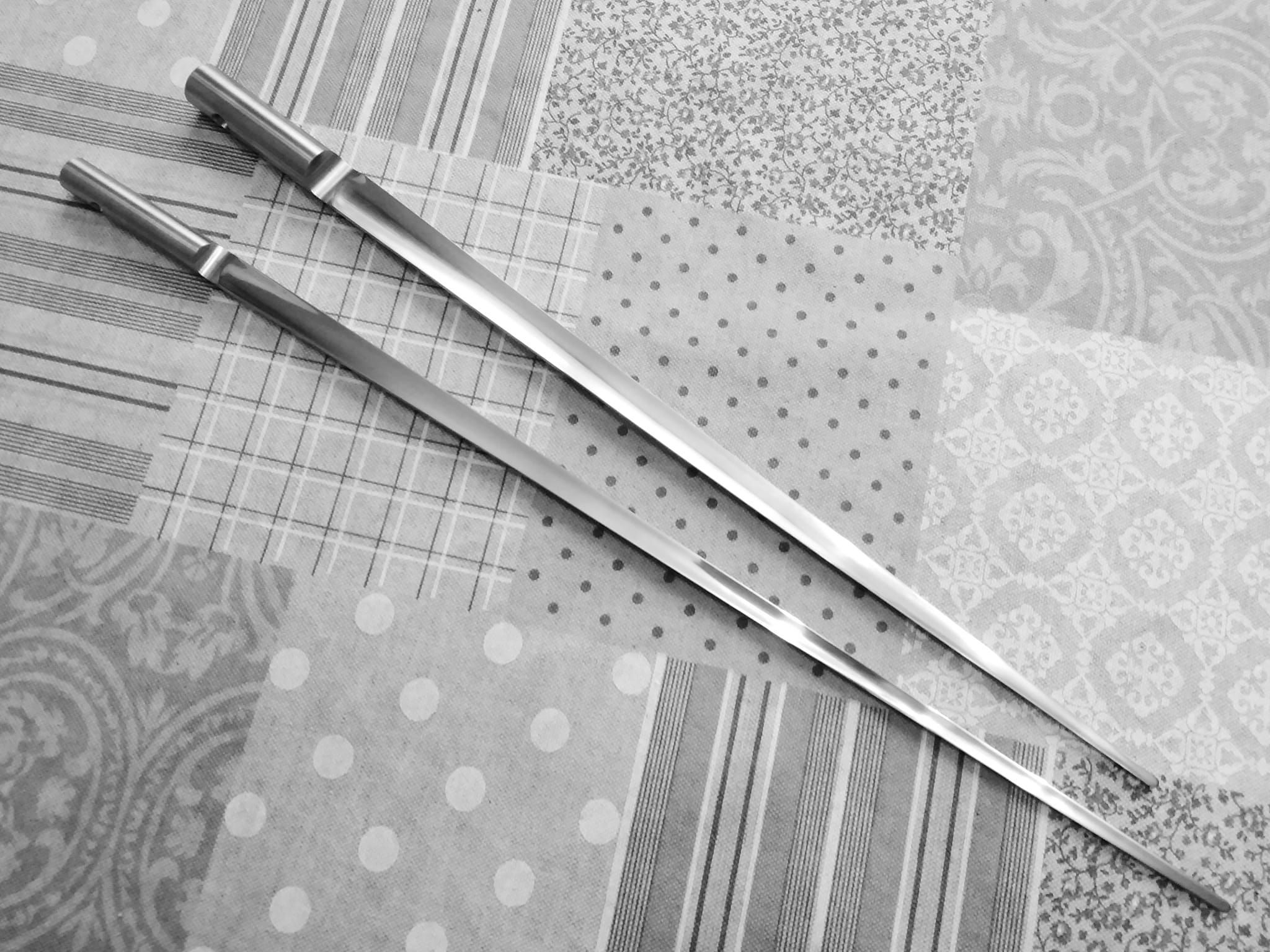
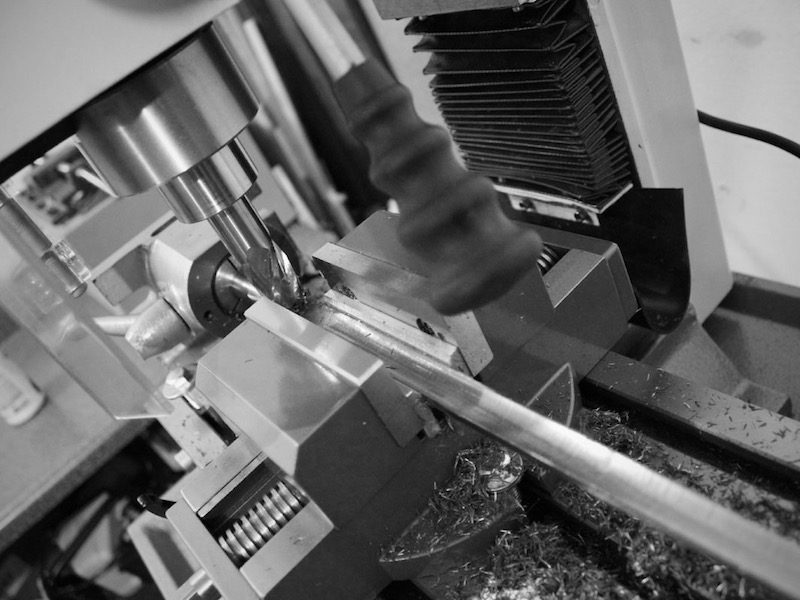
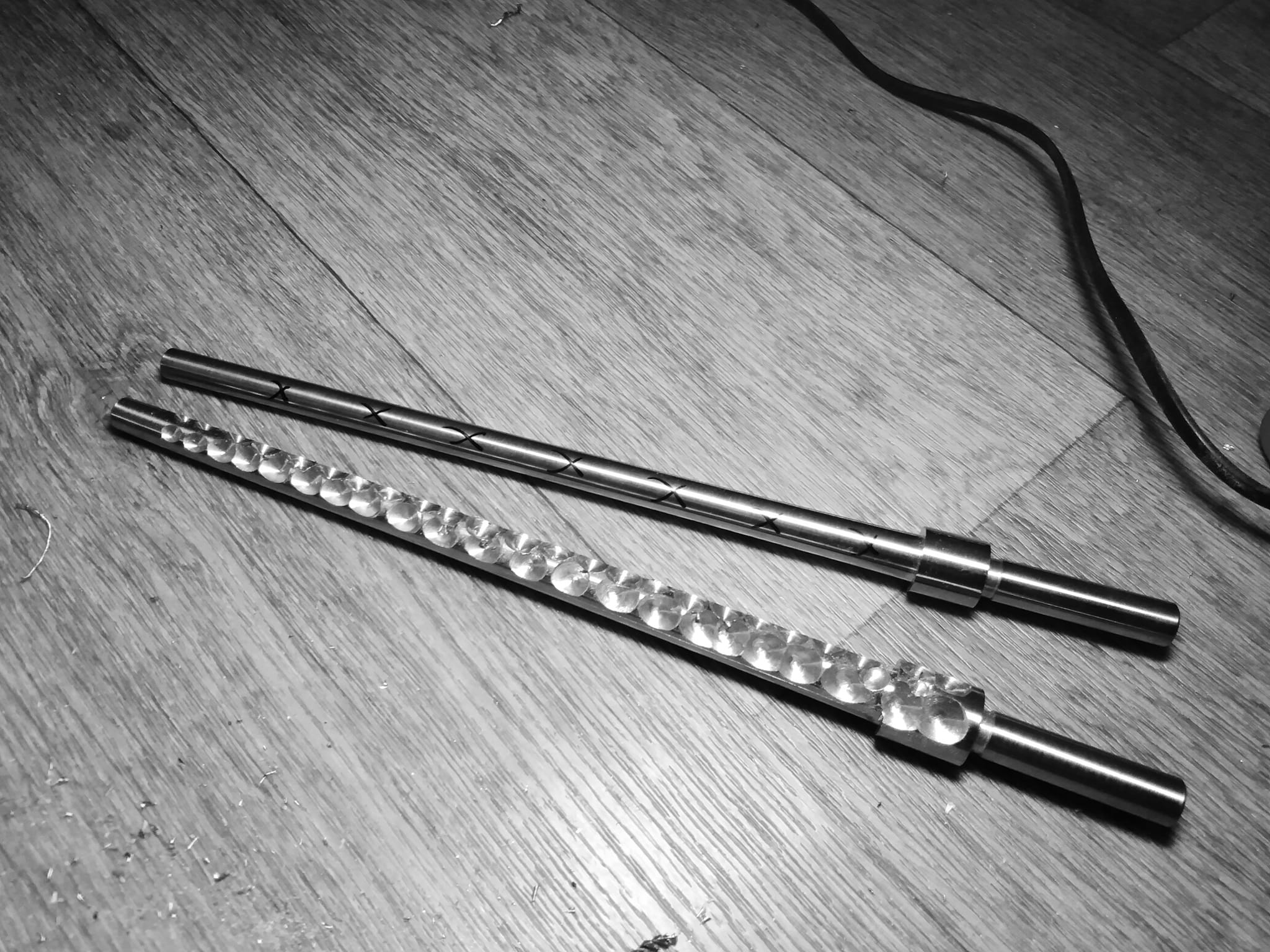
The surface left by a reamer depends on the wood (or other material) as well as the reamer. I have good reamers that leave a very smooth bore when I use certain woods but not necessarily with other woods. And I experiment with a variety of ways to treat and stabilize different woods, all of which can make great flutes. You just have to adapt your tooling and approaches based on the materials you are using. Either that or restrict yourself to the few materials that your one and only tool/technique works with.
But most flute makers not only use reamers but then polish the bore too, using various abrasives (which do remove material, albeit ideally a very small amount). Materials like ebonite can be especially tricky to get a mirror bore directly from a reamer.
So, yes, in an idea world the bore is left smooth and glassy by the reamer, and a 3D printed flute comes out of the printing stage with a mirror bore. But we don’t live in a perfect world, and yet can still make good instruments, with a little ingenuity.
I agree that reaming is good, but of course we can’t realistically expect reaming to be used as a solution to smoothing the rough bore of a 3D printed flute. Its thin walls might not survive the pressure of reaming without cracking the flute, for one. With traditional approaches the thick walled billet is reamed before it is made into a flute. And besides, expecting the end user to make a reamer and then ream their 3D printed flute in order to deal with the rough bore would add such a massive overhead that it would negate most of the benefit of 3D printing the flute in the first place. But I know that isn’t what you are suggesting.
The issue really is more to do with how smooth the bore can be made in the printing itself, how much further smoothing is required afterwards, and can this be done within the tolerances required to avoid altering the shape of the bore. There may be an acceptable middle ground in which abrasives can be used to achieve a better level of smoothness without altering the bore profile too much, as is the case in traditional flute making, if you do it right.
But, of course, yes, the optimal situation would be to get the 3D printing to the level where end users can just print a smooth bore easily and consistently.