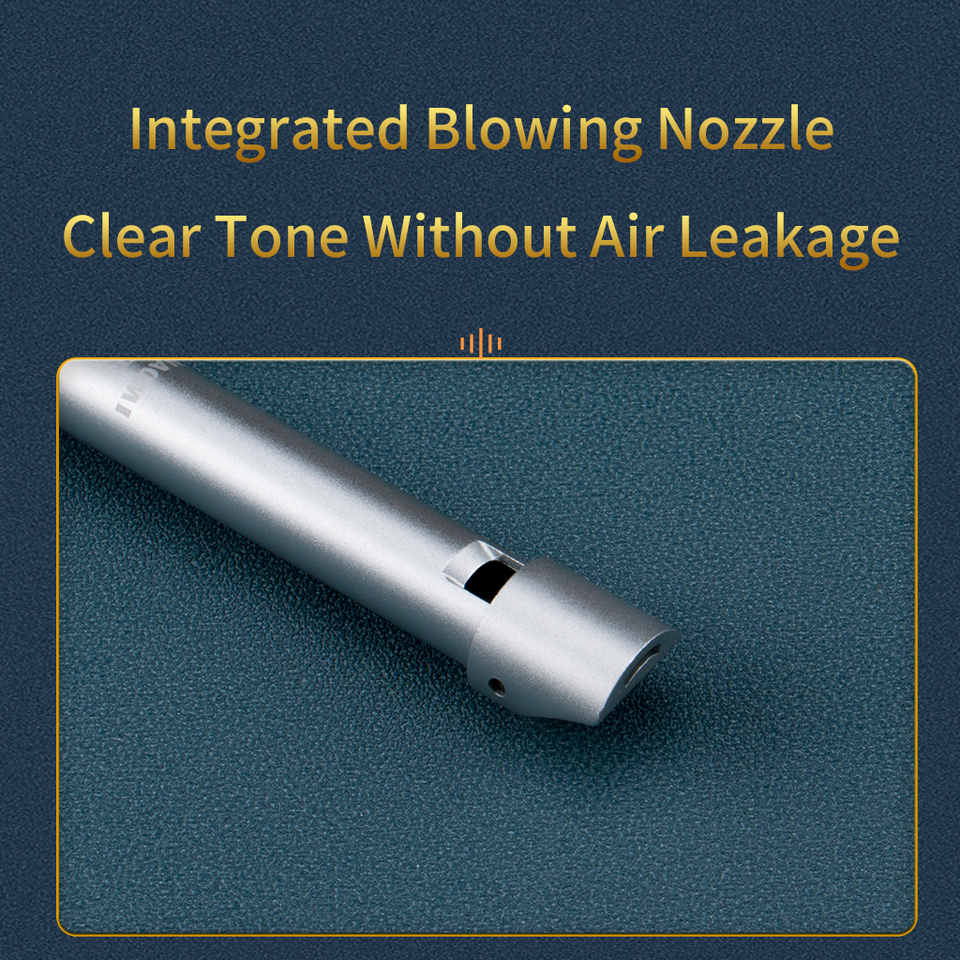
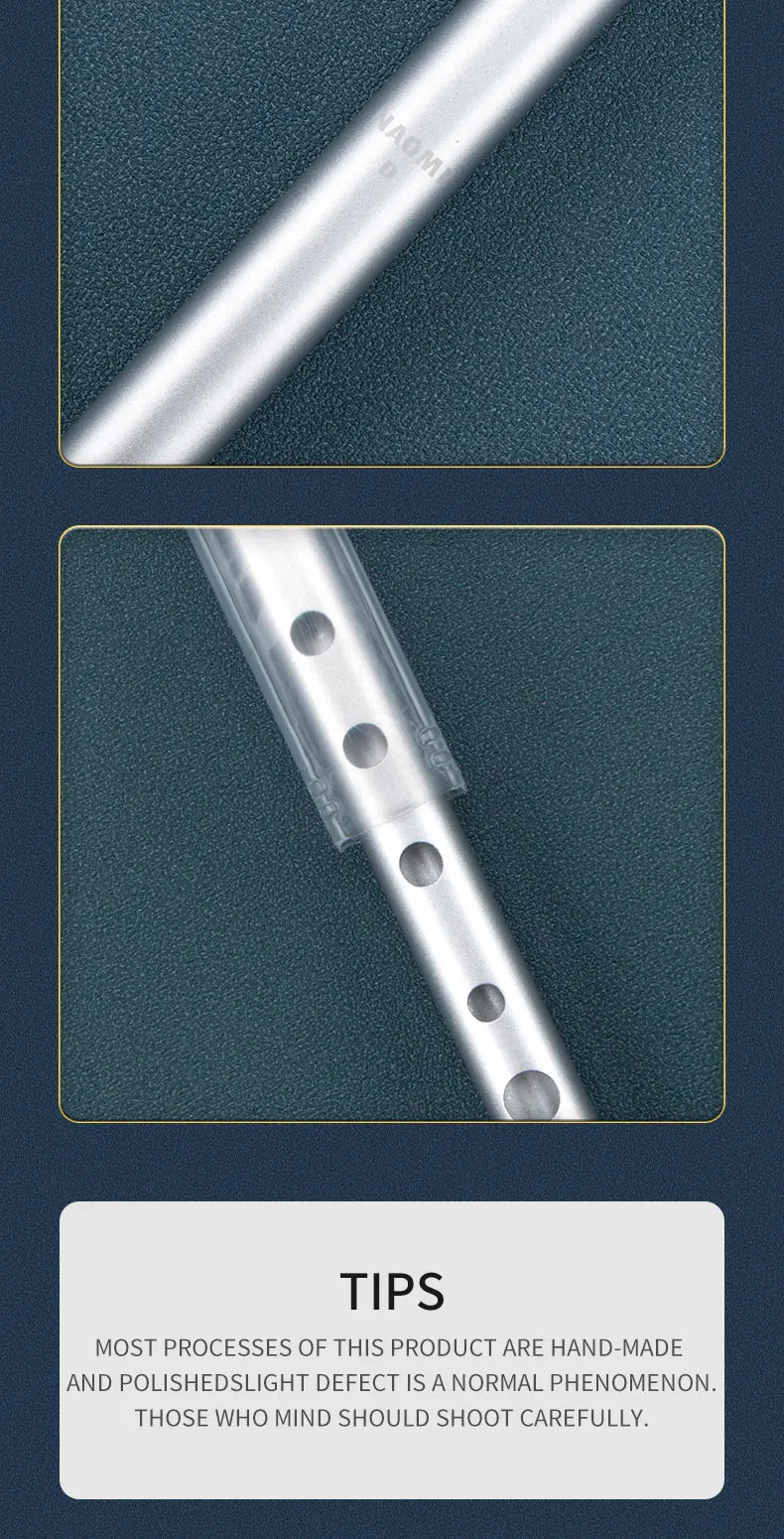
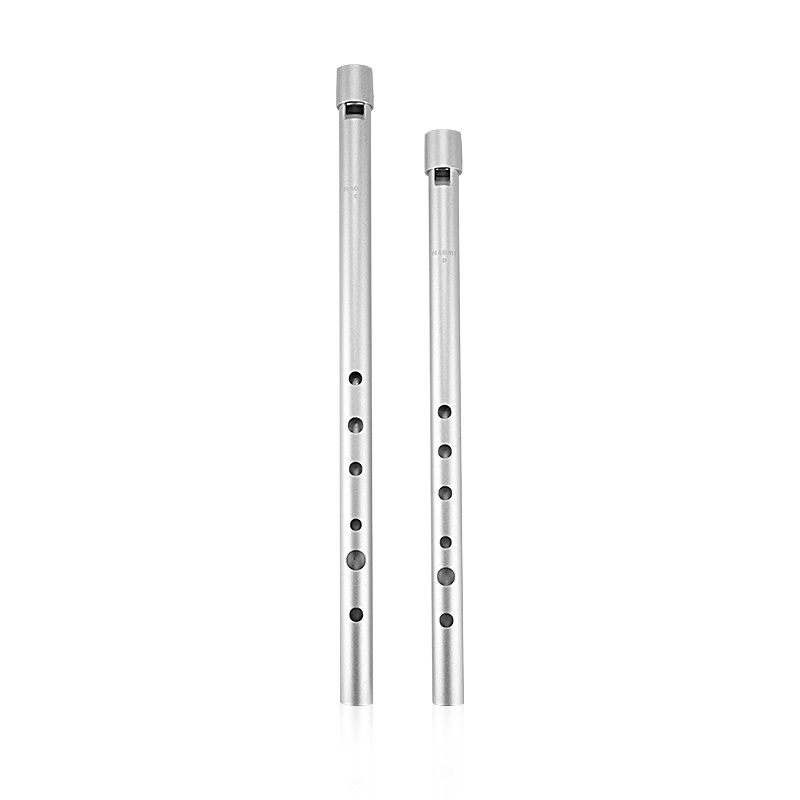
The Mullans come in a decent bit cheaper even with shipping for those of us in the States,
In all fairness I looked at ebay prices at the time and between the taxes, shipping and other costs they charged it wasn’t worth it. Buying them from the Mullan online shop may work our a bit cheaper. My son offered to collect one for me in Enniskillen as he was passing through there regularly at the time but I let that go as we couldn’t locate a shop to visit. I really didn’t (and don’t) need another whistle anyway so I wasn’t realy invested in the whole thing to begin with.
I look at all these whistles where I find them for sale but don’t find myself tempted.
I just don’t get how all these whistle brands expect to differentiate themselves!
There is a whole crowd only interested in flogging stuff, whatever sells.
If you’re shopping online from the UK, McNeela’s is plastered all over every Google search. I’ve no issue with their instruments, but it sometimes gets a tad wearisome when you’ve searched for a brand name in inverted commas, they don’t even stock it, but they’re still every other text result and all the photos.
If I could give the Mullan a try before buying, I’d look at their Bb. They’re £43 to UK buyers, postage included, and if it’s a decent player that’s a good deal. I know in theory I could return it if it turned out not to be very good, but if wasn’t unplayable either I wouldn’t trust myself to get round to it.
Ah well, I suppose at least I’d get more of an idea whether the mid-range whistles suffer from the same syndrome as the cheapies: a good example can be a nice whistle, but a bad one might be a shocker.
Unless my experience is unique, your fear is justified. I have a fistful of whistles made by what it seems we can now safely take to be the same OEM in Pakistan. One arrived with an absolutely useless voicing via McNeela. I was floored that he let it ship (or that it even got out of the factory) but didn’t request post-sale support since I could easily correct the problem myself.
I have a pair of D’s labeled Mullan, with brass and nickel bodies, acquired via eBay and directly. The eBay one is voiced quite nicely but the other is your feared shocker. Here again, I didn’t contact Mullan since I wasn’t going to be using the two whistles at the same time and it was easy enough to put the good headjoint on either body. With some misgivings due both to this and an inordinately long delivery time (immediate availability was incorrectly indicated on their website), I ordered another whistle from Mullan. This time I opted for traceable shipment and was told that the tracking number would be provided as soon as the order had been dispatched. I never received either that number or: a response to a request for it; a response to a request for them to have the postal service track what by then was a clearly overdue shipment; the whistle; a refund; a replacement. That leaves me not just with the negative experience of one Mullan whistle, but with the loss of the purchase price of another.
I’ll note once again that the Killarney whistles do not appear to originate with the same OEM. I also find them to be the closest of the lot to the original Sindt whistles in terms of design and consistency. They do differ audibly from them but not in any detrimental regard. I’ve placed several orders directly with Killarney and never had reason for follow-up communication.
Disclaimer: I have no involvement whatsoever with any of the business entities named here other than as a more or less satisfied customer.
I’ll note once again that the Killarneys do not appear to originate with the same OEM.
I must say, when they introduced laser engraved heads much like the other makes, I wondered if they were farming out some of the parts.
But initially it was the clip of one of the Buckleys playing Skylark that convinced me to buy one of their whistles untried. While the first two whistles I received from them were fairly rough, to the point where I would have left them had I found them I a shop in that state, they are lovely players. I think the difference you see is between players making/selling instruments and others that are merely dealers selling stuff they buy in from who knows where.
I guess if someone sets up as an OEM and seems to be having success in the field, such as the OEM behind Killarney, nothing stops other OEMs from attempting to jump on the bandwagon. And lower prices are always an attraction. But that often comes with lower quality.
Now, surely the likes of us should be able to locate these OEMs. They can’t afford to work entirely behind the scenes, or no other potential users would be able to find them. To go back to my fanciful “Aussie” brand line of whistles, how would I find these potential suppliers? Is this an example?
Killarney’s wording “Produced in Ireland” does indicate that their whistles are made elsewhere. However, there’s an important distinction between a brand holder engaging a “third-party manufacturer” (aka contract manufacturer) and an independent OEM serving multiple VARs. Both services can be provided by the same production facility but the pivotal diff is that a contract product belongs exclusively to the contractor, who provides distinctive specifications for it.
There’s no doubt that the Clare/Lir/Mullan/Sióg/Wild cluster instantiates the OEM business model, as do other initiatives noted here. Killarney whistles are darned close to the Sindts but its hard to imagine any shared production facility. Until we find whistles that are metrically congruent with the Killarneys but bear other labels, it might be best to add third-party manufacture to our glossary.
Perhaps via a trade fair, introduction by an agent, or via a contact in Australia who happens to know the market in the country of origin? Presumably OEMs do advertise online, but they’re not targeting the public and a substantial proportion may not use English as their business language.
The heads on your Aussies look rather like the Goldfinch, don’t they, except in alloy rather than plastic?
By the way, your ETbotu looks as if it comes from the same source as the Alibaba ones. If you’re yearning for a whistle with the head on the wrong end, you can also have it in blue, red, or black.
Here’s yet another variant of the cheapie plastic head type from eBay:
Not yet, but it’s still feasible they’re made in the same country. The retailers of the Mullans etc have worked with manufacturers in Pakistan to achieve a really nice finish, but what seems to be missing is consistently good voicing. The skills will be there to do that, but pulling them together would probably need more time investment when the contract was set up, and the finished whistle would cost more. There might also be the possibility of a hybrid approach, where the last 20% of the process is done in Ireland? I don’t know enough about it to understand what’s possible.
Anyway, from Stringbed’s photos it appears the Killarney Ds and As have a narrower bore than the Wilds, so if they were made in the same place, the production’s a different setup. It seems unlikely they share an origin with the Sindts, though, not least because of the way John sells his whistles. It doesn’t give the impression he uses an OEM production line even for part of the work.
I noticed when I looked a few days ago that they say dispatch within 30 days, so presumably they’ve had people grumbling about this.
That’s really disappointing. Being in the UK, I could ask my card company to charge it back under Section 75 of the consumer credit act if I’d spent enough (a nifty bit of legislation where if you spend between £101 and £30,00, credit card companies have joint responsibility with sellers to ensure you get what you paid for). Well-run companies ought to know they need to take particular care with international customers who may not have this protection, if they want to hold onto their good reputation.
That certainly is a dream facility. According to other info on the manufacturer’s site “mk whistles are made by a dedicated team at their workshops in Glasgow, Scotland.” Another video on YouTube shows a musical instrument factory in Sialkot, Pakistan, which is the center of the industry there. They don’t appear to make whistles but a neighboring outfit here could likely point us straight to what we’re looking for. Traditional Irish instruments otherwise pop up all over the place on the factory tour, including flutes. That vid is very much worth watching all the way through in any case. A more traditional woodturner is shown here and flute assembly here.
There’s just a quick glimpse of the flutes but it provides fuel for a direct extension of the present discussion. I’m uncertain about suggesting that we embark on it and prospective participants might first (or instead) wish to review a similar discussion of uilleann pipes made in Sialkot that has been underway for quite a while. I’m sure Mr. Gumby can provide more info about this but there’s what I believe to be a good starting point here.
Gawd! We all know how truly awful Pakistani-made flutes are. I wonder if all the other products of this factory are equally awful! At least no tin-whistles in sight. Or at least at the time that video was made…
I’m given to understand that making musical instruments is big in Sialkot, and they cast a wide net: trad stuff including Highland and uilleann pipes, drums of any shake, contemporary brass and woodwinds in general, and strings, but to what extent I’m unaware. Some of these can be known by certain names, such as Roosebeck.
It can be a touchy subject, but there is much consensus on having been burned by an attractive price, and I’ve been there. I can tell you that both piping communities strongly repudiate that source, and it’s strictly a quality issue. IOW, there being none. The word “unstruments” has been hurled from our end. My first two flutes were of Pakistani provenance, and it just about killed my embouchure for good. I had a lot of unlearning to do when I got my first flute from an accredited maker.
I try to keep out of things like this because folks here do a good job of taking care of each other, but I must put my 2¢ in and add that after all this time I’ve come to the sad conclusion that seeing things our way is not part of their business model, which is not so much about making as it is about churning out, and that is to catch the unwary and inexperienced. And I can assure you that they are well aware of the general disapproval borne of them in certain quarters. Evidently this is to no avail, for no mending has come of it yet. Luckily for them, their target demographic never ends.
The material on the Kami Tin Whistle site implies pretty strongly that both flavors of OEM whistle we’ve been talking about are made in Sialkot.
My suspicion that the Killarney’s are not made by the OEM who makes the Sindt clone seen in this pic has nothing to do with the performance characteristics of the instruments or the motives of their suppliers. It’s solely a matter of physical measurement. The comparable parts on all of the ones in the Mullan/Wild/Etc cluster are fully interchangeable with each other but not Killarney.
Kami also brings the Generation name into this.
If it should turn out that these plastic-headed jobbies are metrically indistinguishable from Feadóg/Oak, there might be reason for real concern — not so much with musical quality, which literally speaks for itself — but with marketing practices closer to home. If there’s no substance to that apprehension and the OEM behind Kami is simply making precise clones in both qualitative and quantitative regards, we’ve got less to worry about as far as the hardware itself goes.
I’ve been there twice on the flute side — but still at whoppingly greater expense than the lessons learned about the whistle biz. In one case, I realized that artfully worded product description was probably camouflaging Pakistani origin. In the other, the deception about Irish manufacture was overt (without so much as a twnikle in the copywriter’s eye).
OK, I’ll be clear, what are you saying here? You are making accusations of criminal behaviour with no actual evidence. You may think you’re being all coy about your insinuations against small manufacturing companies like Generation and think that’s OK, but it isn’t.
Wow! I didn’t say a single word about the Generation folks beyond noting that their eponym is being used in a context that they likely didn’t sanction, nor have I leveled accusations of criminal behavior at anyone. I’m describing attributes of the manufacture and marketing of tin whistles in as matter-of-fact a manner as I can manage. The participation of OEMs is an unladen aspect of it but its extent may not be fully recognized. It’s apparent that you haven’t taken my words as intended and I realize how vulnerable online discussion forums are to misunderstanding. Nonetheless, I’m at a loss to understand how my contributions to the present thread have fallen so far shy of the mark as to trigger this reaction.
If it should turn out that these plastic-headed jobbies are metrically indistinguishable from Feadóg/Oak, there might be reason for real concern —
I am not sure that the ‘real concern’ would be. There is a lot of ‘nudge, nudge, wini, wink, say no more’ going on there
The pic shows clearly these are Generstion designs, not Feadóg or Oak heads. The Feadóg style heads are usually more often seen in the whistles sold by Chinese sellers.
The most likely scenario is that the manufacture of the ‘folk’ whistle, Generation’s cheaper line, has been farmed out to a cheap labour country, just like Clarke has done with its cheaper line, the Meg. Nothing unusual or concerning there.
I’ve been there twice on the flute side — but still at whoppingly greater expense than the lessons learned about the whistle biz. In one case, I realized that artfully worded product description was probably camouflaging Pakistani origin. In the other, the deception about Irish manufacture was overt (without so much as a twnikle in the copywriter’s eye).
I am sometimes slightly puzzled by threads like this where there is such concern about Irish manufacture. You know, it’s not a guarantee if any sort an instrument made or sold in Ireland will be of decent quality. The country has as many fly by night artists as the next. Some of us remember fondly (well, sort of..) the flutes one man was selling in fair quantities that were basically broomsticks finished with black gloss paint. People bought them, they were in Irish shops, weren’t they?
There are always exceptions to any rule, but I’ll bet if you laid out on a table ten randomly chosen whistles made in Ireland, ten made in Pakistan, and ten made in China a pattern would emerge.