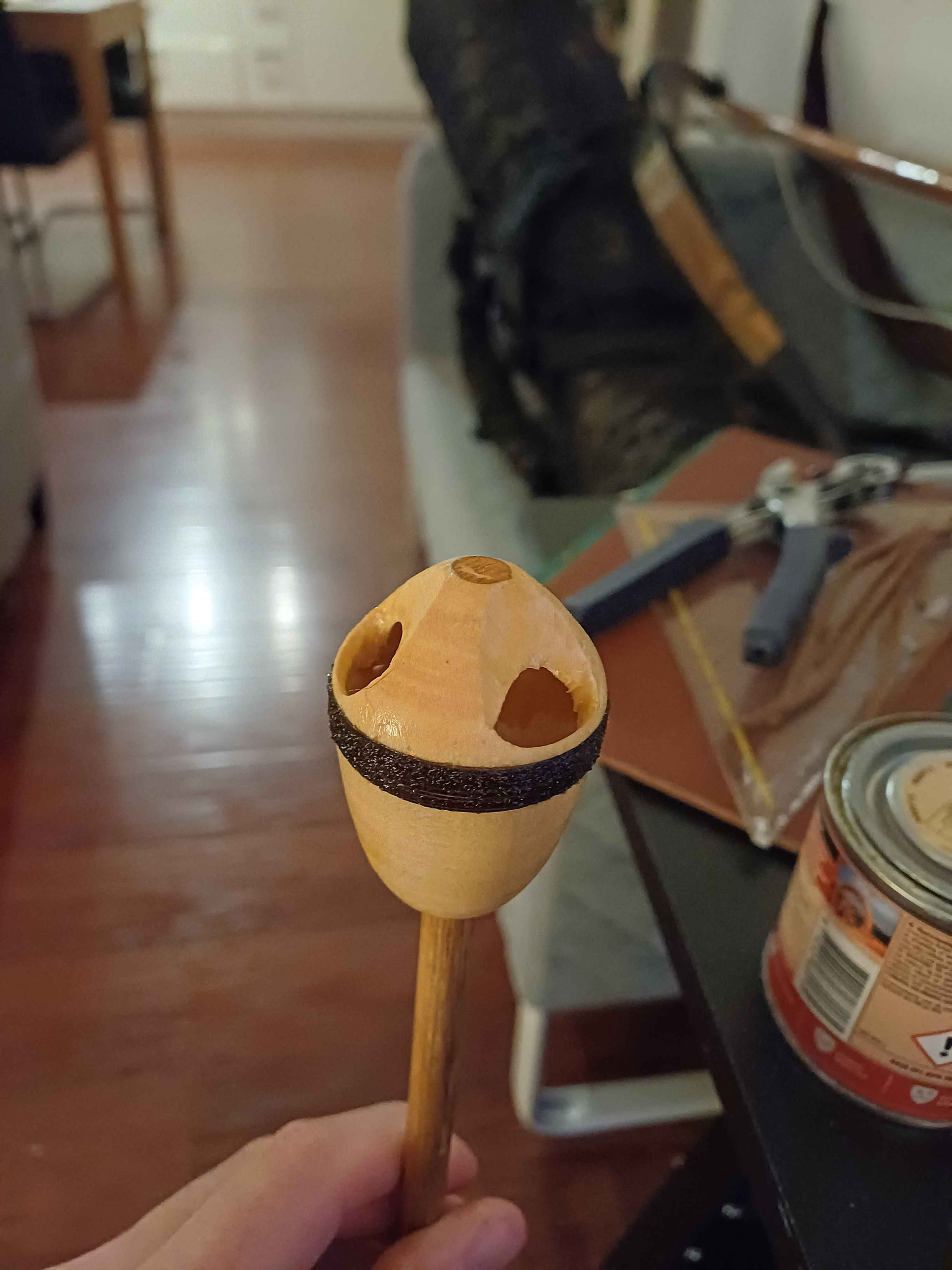
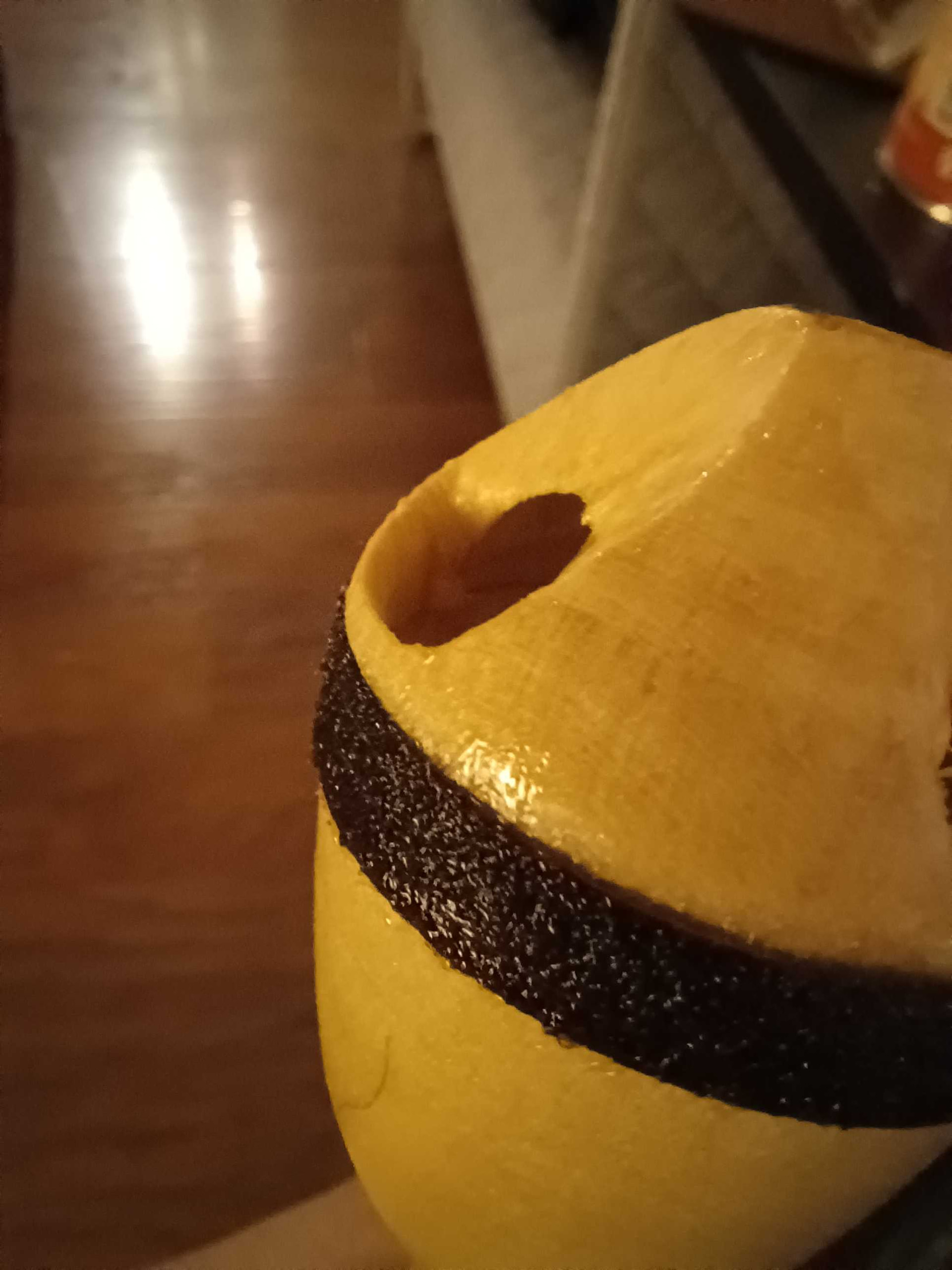
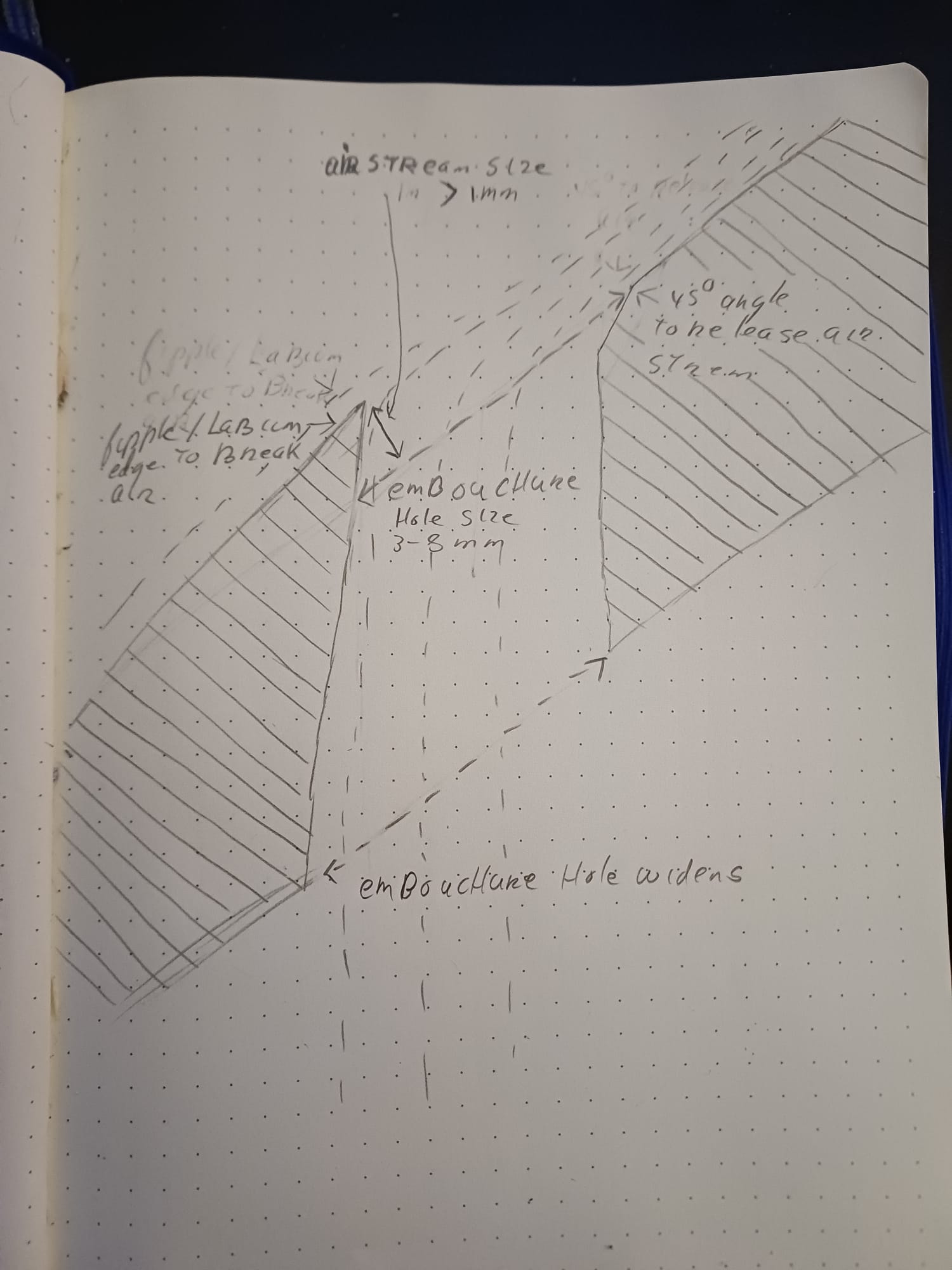
For a personal project I am working on making some whistling arrowheads. So far I managed to make one work but another type is quite eluding me. So I would like to ask you for help. They are essentially fipple whistles mounted to the shaft that uses the air pressure from flying through the air to produce a sound
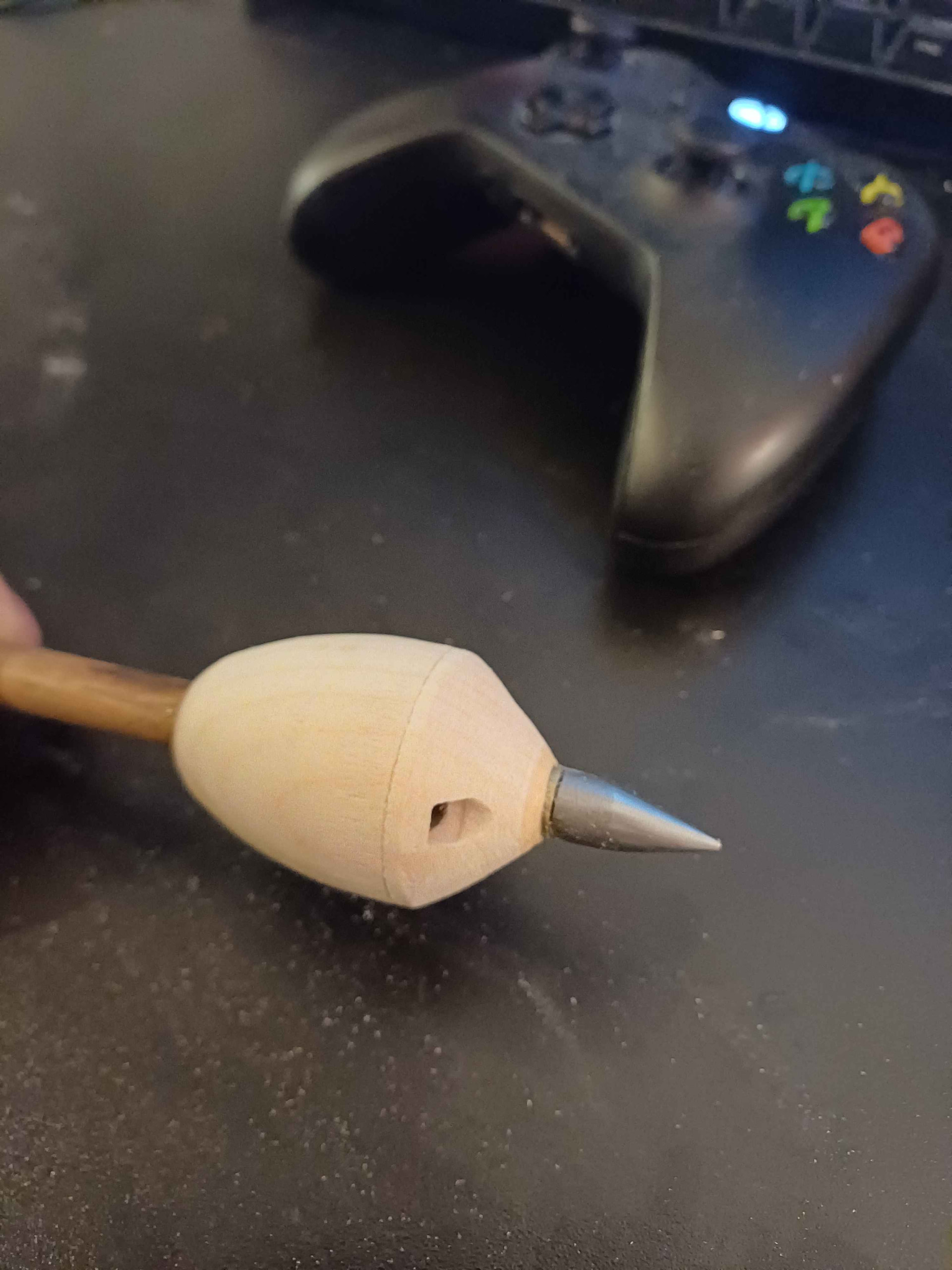
I made this Japanese styled one before and with some tweaking I got it to work. Video of me shooting it
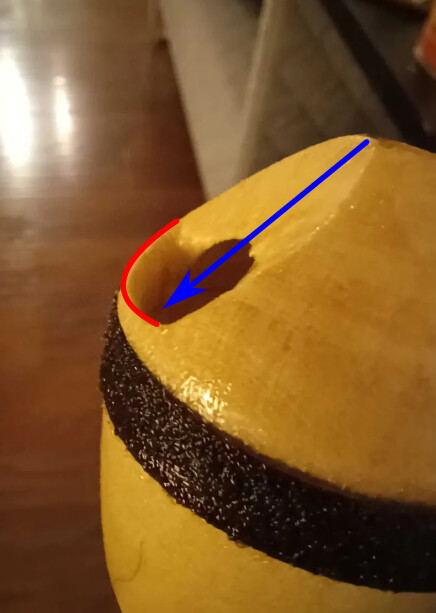
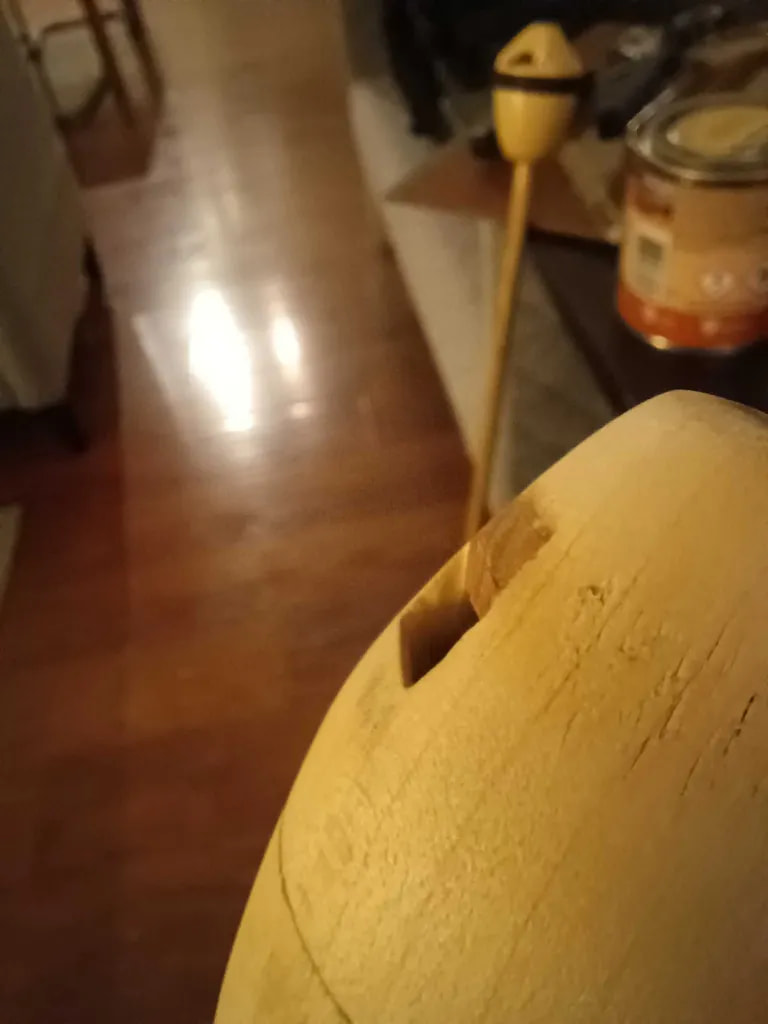
Unfortunately this second one I made does not whistle at all, I based it on A Mongol/Chinese variant called Tunken yoro.
So my question is: What did I do wrong here? Is it the size of the holes from the front facing? Is it the attack of the fipple not sharp enough? Maybe not enough speed? I am not familiar enough with how flutes work and its currently very confusing.
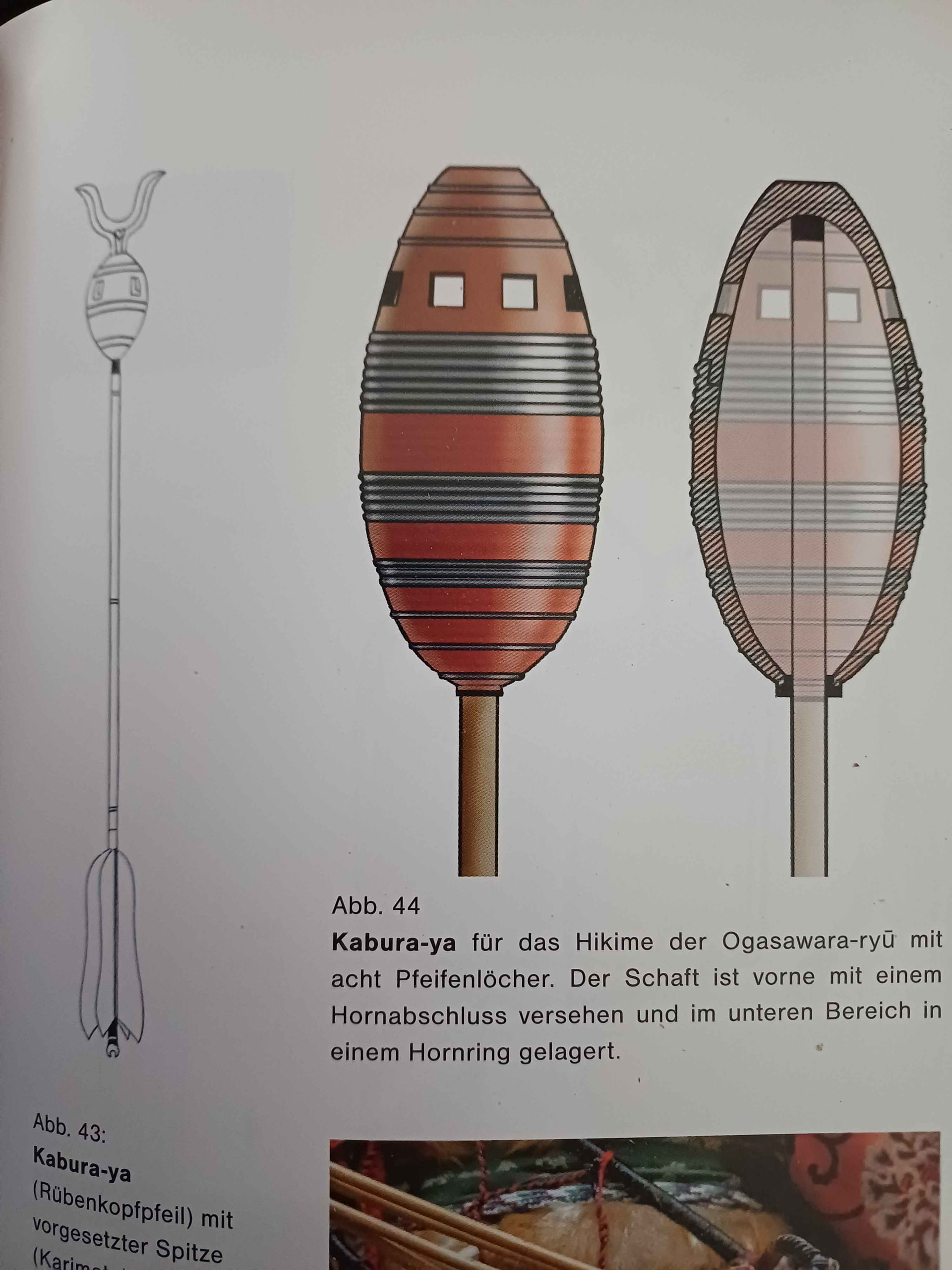
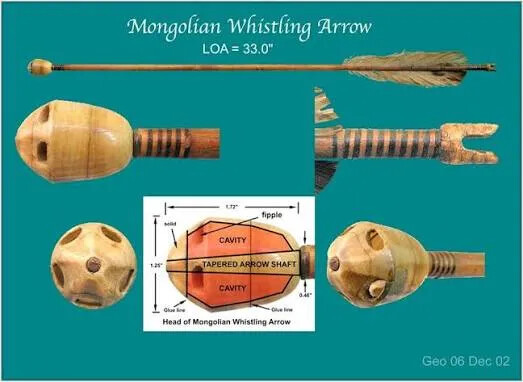
Here are some more historical examples as reference:
That’s interesting and looks fun. The airspeed through them is orders of magnitude higher than anything we’re doing with musical instruments, so I don’t know how well knowledge from instrument makers will transfer to your application, but I’d love to know more about it. Do you have diagrams showing the geometry of the interior. I assume the arrow shaft goes right through it so it isn’t smashed when it hits the target, but I’m surprised it doesn’t continue on out to create a spike so that it can stick in the target instead of bouncing off. Is a projecting spike too disruptive of the air flow across the whistle?
Strictly speaking from an instrument making standpoint your making more of a Helmholtz resonator than a whistle (ie an ocarina).
That said and looking at various models sold on amazon and images from searches I’m gearing towards your holes being a little on the large side and potentially also being fired too slowly from some of the descriptions of commercial models (particularly for holes that big).
Now from a whistle making standpoint I’d say your fipple geometry on that was a little funky as well. You’ve brought the windway ramp to a knife edge thickness, which isn’t going to be very effective to provide a resonating surface for air to strike against and produce the tone. I’d try leaving a little thicker ramp edge and seeing if that helps. It may also help having a little steeper angle going into those holes for that under ramp, anywhere 30-50 degrees may help with creating a stronger tone compared to that shallower under ramp.
Higher airspeeds are a thing, talking about 200km/h+ for the style I shoot.
The shaft does go all the way through the body to make the front the strike face so the power transfers through the shaft. Some styles do have an arrowhead on the front depending on purpose. For now I am just making these as blunts and fun to shoot at a distance! But they were also historically used against prey, like rabbits, the sound would make them stand still and face the arrow before striking them. There were also designated arrows to wake up tigers for hunts in China during the Qing dynasty.
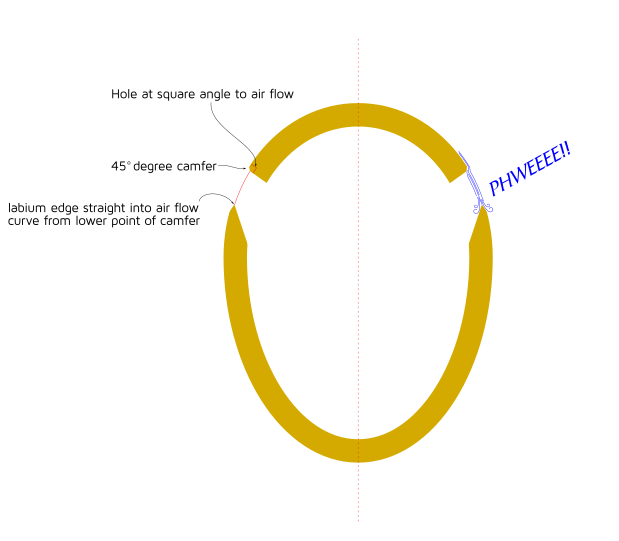
I asked a fellow archer who apparently was also familiar with whistles but not whistling arrowheads specifically. Turns out why my first one did work and second didn’t is because the airstream that is created along the front facing surface has to directly hit the fipple/labium edge. On the second design the hole is too big and the leading surface is not directed at the fipple/ labium
You can see the difference here, the second image is the working one where its much more directed. So I got the individual features correct, just not in relation to each other
And yeah the fipple geometry isn’t great either, the angle needs to be less acute and a bit thicker. At first I thought it would be a fipple design but turns out its more of a cross-blown design
On the fipple geometry, I have seen quite a few thin ones on whistle arrows. So tried to emulate that. but I might have taken it to an extreme. Will try to thicken it on the next itteration.
Thanks for posting all those: I can see from them that they must work much the same way as musical instruments regardless of the huge airspeed difference, though if you increase the airspeed with a tin whistle it’ll jump up one or two octaves (and likely then jump up to a host of other harmonics if you really blast it), whereas with your arrowhead whistle it sounds as if you may still be getting the base note.
Given that you’ve got one working, you’ll probably make most progress by evolving your design from that starting point. 3D printing would be the best way forward with that as you can make more rapid tweaks and test a new one every day.
Is it a single air chamber or is it partitioned with one for each window?
Turning one out of wood takes about an hour, its not too much work not to do so.
They are a single air chamber with the shaft protruding through the center.
But I got some good news! I got 2 iterations working both on slightly different designs, seems the leading edge and fipple/labium want to be spaced apart about 6mm for them to work well.
So it was a bit playing around, but the exact reasoning is a little bit fuzzy. Short video with a light bow and short range. Stronger bow and longer range would produce a better sound but it works
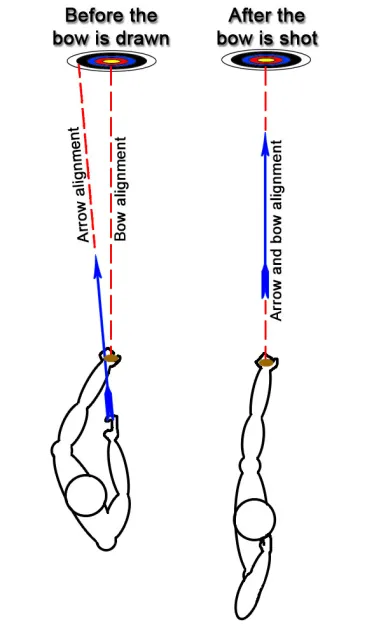
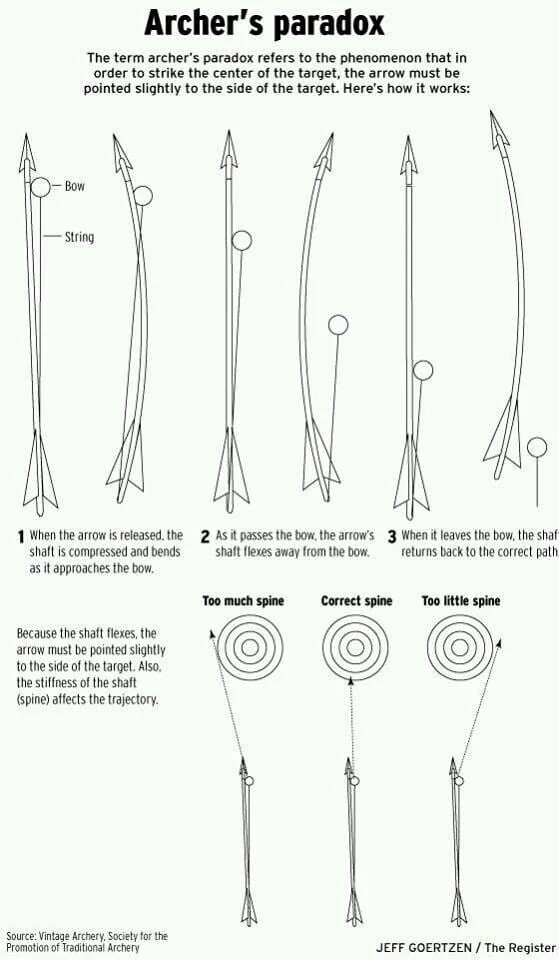
So it affects arrow tuning a bit, but less than you would think. The archers paradox is essentially the initial conflicting idea that the arrow is launched offline yet it flies straight.
This is because the arrow, if correctly tuned, flexes in such a way that it bends around the handle section of the bow so that it doesn’t slap it. Handle slap indicates an incorrectly tuned arrow to the bow or a bad release.
The arrowhead inertia compresses the arrow shaft as the string is pushing the back of the arrow. This flex turns into oscillation, when tuned right, curves around the handle. So its a function of the stiffness of the arrow shaft, its length, and arrowhead weight.
So how does the whistling arrowhead affect the already existing shafts I have? They get dynamically weaker because of the added weight and air resistance the whistling arrowhead provides. Due to the afore mentioned effects they also fly slower. But so far these arrows aren’t meant for precision shooting so it hasn’t had a big impact
Got some video of shooting and testing with an air compressor here.
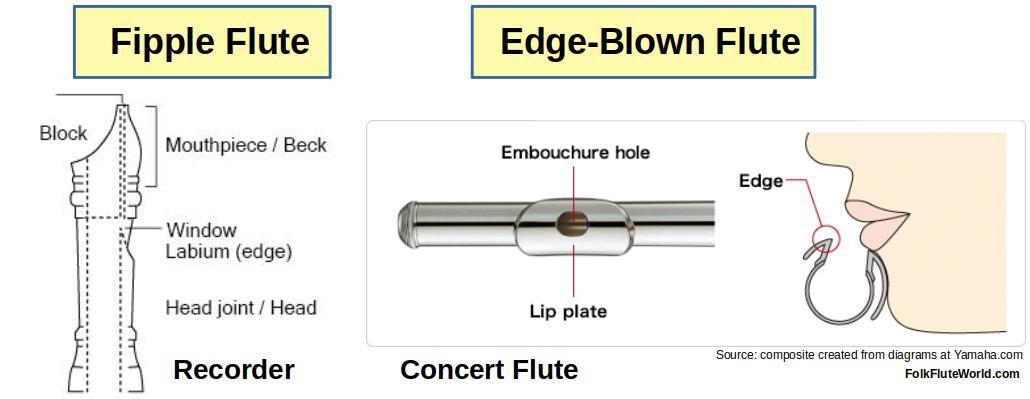
But beyond that I have been thinking a bit, came to the realisation that this design is more closer related to a edge blown flute than a fipple design:
(also I can finally add more media items)
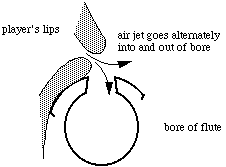
The only difference is the source and angle of said air supply, where the lips sit on top and produce a Jetstream, a whistling arrowhead has its top surface compress and generate its Jetstream by function of its flight speed. 160-220fps (48 - 67 m/s).
I did some digging and the embouchure hole seems to range from 6-11mm, but with the lip angle and the fact that the lip apparently covers the embouchure hole about 1/4-1/3rd of the way. So an more effective embouchure hole for an whistling arrow would be shorter. Maybe 3-8mm?
A smaller hole supposedly requires less air pressure, and creates a higher pitch, so its likely better to go smaller for now, currently have done 6-7mm. Might try 4 mm.
Also noticed that the airstream that the arrow produces is a lot more narrow, so the fipple/labium edge wants to stick up 1mm or less to produce a tone from the little extra carving that I did.
Also flute walls for wooden instruments seem to be thicker than I anticipated, 4-6mm, need to incorporate that
I had to switch on Firefox’s VPN to access those videos. Yes, I think a fipple’s only a fipple if it includes a windway to create a smooth jet of air. What you’re making is more like a quena: if you cover the part of a quena that’s normally blocked off by your lower lip, you can likely get it to play a note just by holding it out the window of a moving car. Use a shorter tube and it turns into more or less the same thing as you’re putting on arrows. I don’t think the wall thickness will matter: metal quenas with very thin walls still work fine, while bamboo and wooden ones often have walls 5mm thick, so it’s unimportant unless you need it for strength to survive impacts, and you probably do need that. You just need to keep evolving the design to maximise the aspects of the sound that you want to generate. 3D printing is the most practical way to do that, and even if you don’t get your own printer you can still get the design software and send the files to someone who can print prototypes for you. It occurs to me though that you could sell quite a few of these if you move fast, so investing in your own printer could be a good move as you’d need it for manufacturing them anyway.
Got another video shooting This time on youtube.
Think I got the basics figured out, now its just playing around with the the details.
The Quena is quite intersting, havent seen it before.
The thicker walls definitely help with the impacts, 5mm seems to work rather well so I will stick with that for now, also gives a bit more wiggle room with cutting the airholes.
Interesting the way the sound “wobbles” as the arrow flexes. Something that would be fun would be to get a group of archers to play a tune using different whistle notes on their arrows.
I thought the wobble sound was improperly tuned arrow, but yeah it is indeed the flexing of the arrow and with that the changing alignment of the arrowhead on the airflow. So that first arrow had proper tuning.
If you just put just two windows on it, one on top and one underneath, the wobble in the sound should be minimised, or if you want to maximise the effect you’d turn it 90 degrees.