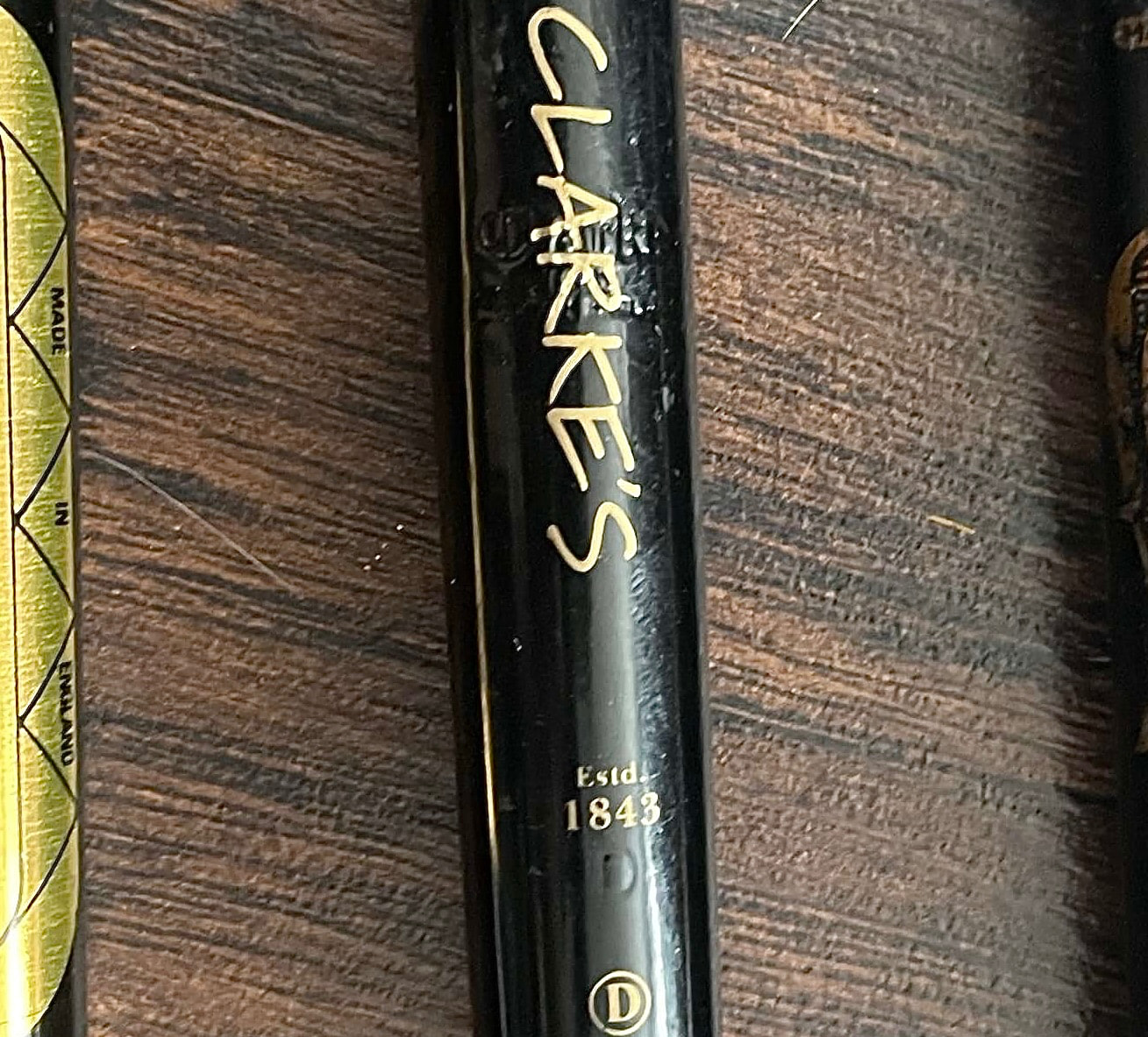
Hi, first time post. I have a pile of whistles (Generation, Kerry, Shaw, MK etc.) in most sizes (WHOAD still an issue) and play mostly Irish.
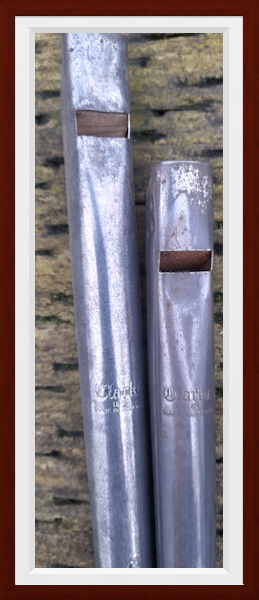
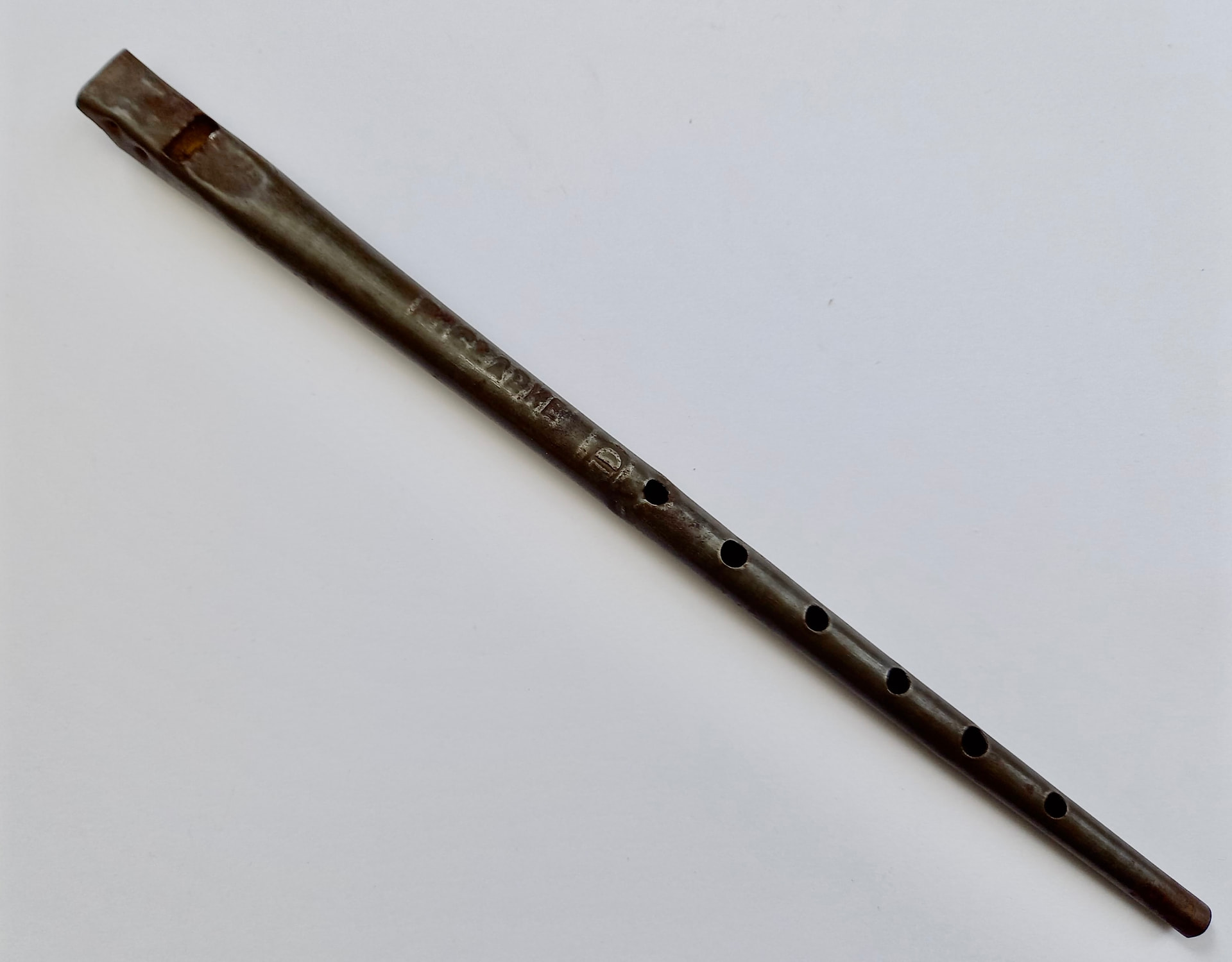
I’m a fan of Clarkes and just bought this old D one from the usual auction site, having been attracted by the incised Gothic letter stamp that I’ve not seen before. The tuning is spot on modern and very good. The block was sliding out (there are no punch marks in the sides) but once repositioned it plays beautifully, needing less air than most, but maybe it’s been tweaked.
Has anyone come across similar?
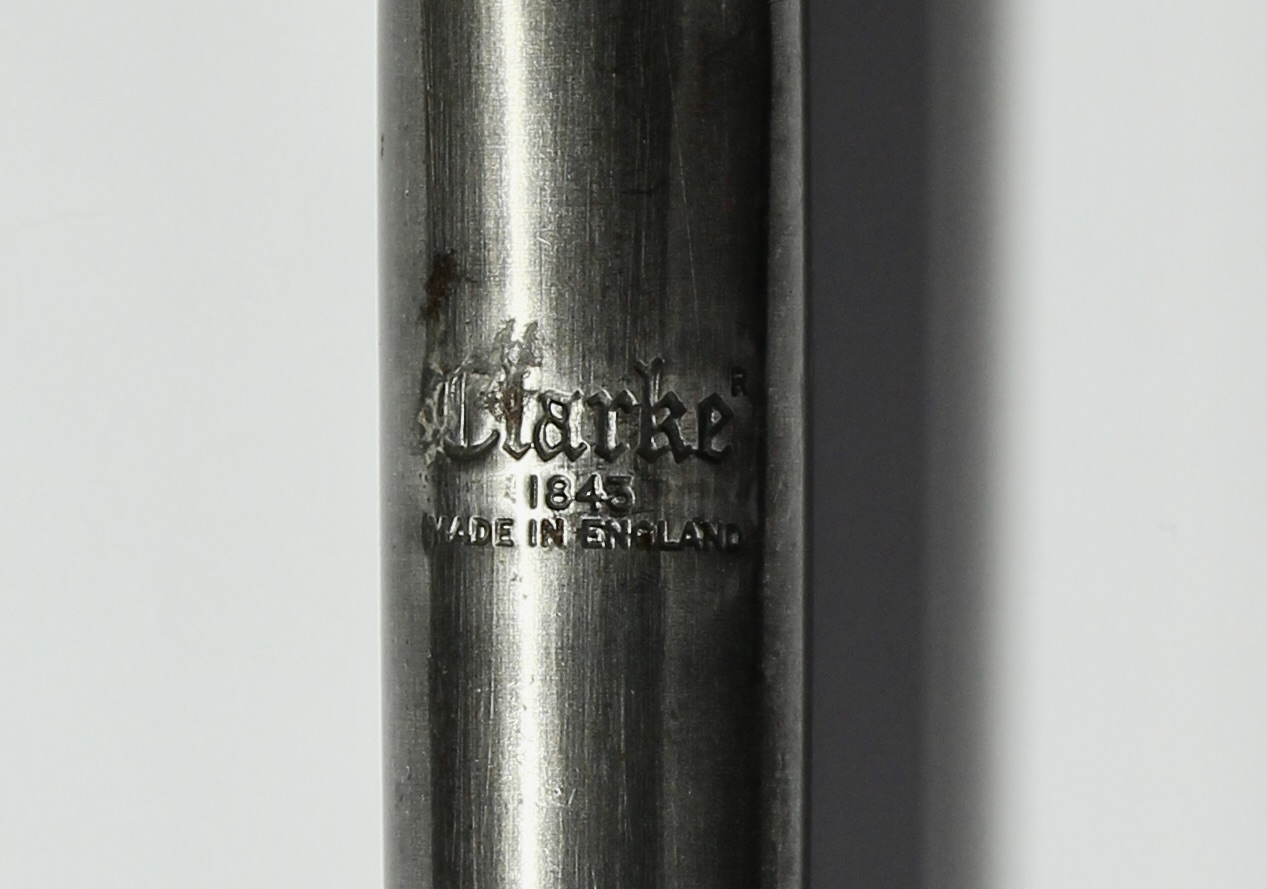
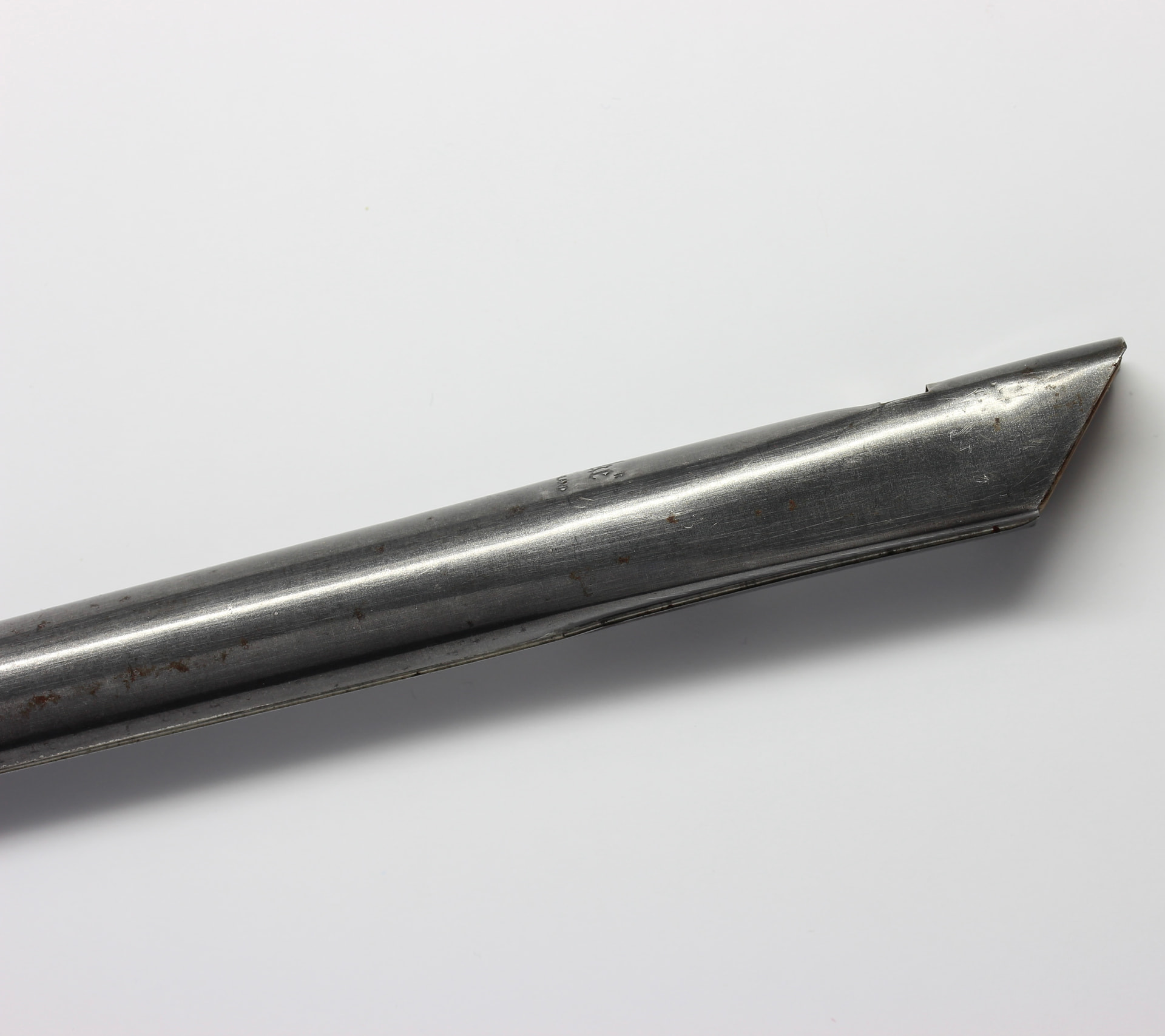
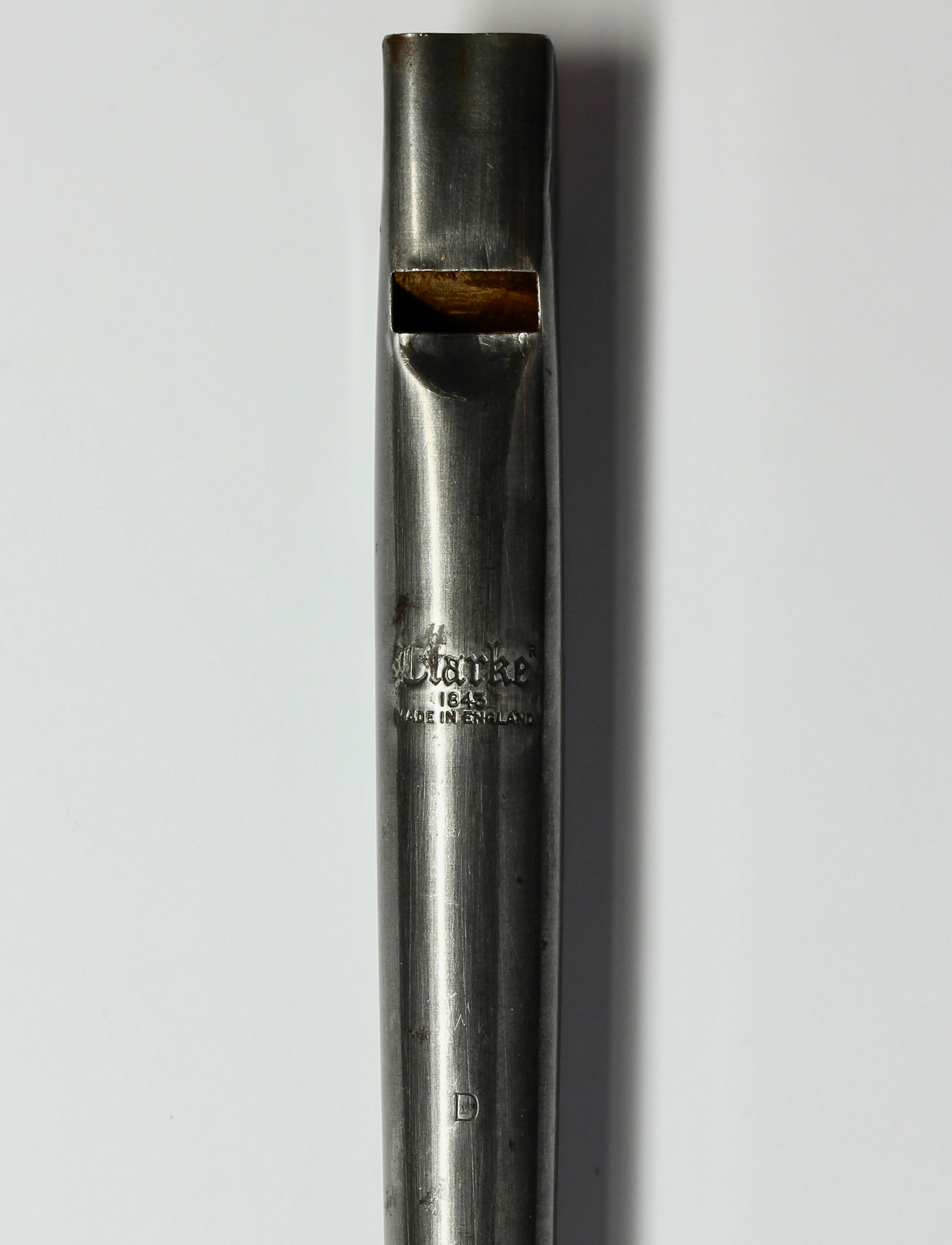
Here’s a quick phone pic (apologies but it will have to do for now).
A C and a D, the D appears an old one, or I have always thought of it that way. It is the finest Clarke I have come across.
The C came out of an new, old stock sale of a music shop in the North, via eBay. It came in its original box. It doesn’t play well.
The D has three notches on each side of the head to secure the block, the C doesn’t.
I paid around a tenner for each.
Thank you, that’s very interesting and sounds a good buy. Like many, I wish there was a good, illustrated history of these! This D is pretty much the best Clarke I’ve come across too, along with a 1960s standard black & gold C (given to my wife as a kid when it was new).
[EDIT: I now think these are unpainted versions of the 1989 new D design. They don’t seem to be very common though.]
I’ve just acquired two more of these (both Ds, and at a low price - £25 the pair)) and maybe deduced a bit about their probable date.
Apparently untweaked, they both play really well (sweet and not needing loads of air) and seem to be accurately at modern pitch though easy to push higher. One of them is my new favourite D - a lot nicer than my tweaked modern one at the moment.
The logo has an R suffix but not in a circle. From what I’ve googled, the R with circle (for “registered”) was introduced in the US in 1946 and adopted later in the UK (when?). It has no legal weight without the circle but companies sometimes use it if they’ve applied for registration. (The modern Clarke company has the R with circle appearing on their website and boxes, but not on the actual whistles as far as I can see.)
The design is virtually identical to their modern Ds, with exactly the same length and hole layout. The only perceptible difference is that the arched windway is less high but with similar curvature (down to the way it’s fitted round the block) - that may just be vagaries of production.
The Dannat Clarke history book says that Bob Bellingham designed “the long awaited [1989] tin whistle in D” - but those were all initially black/gold painted apparently?
Modern one at top:
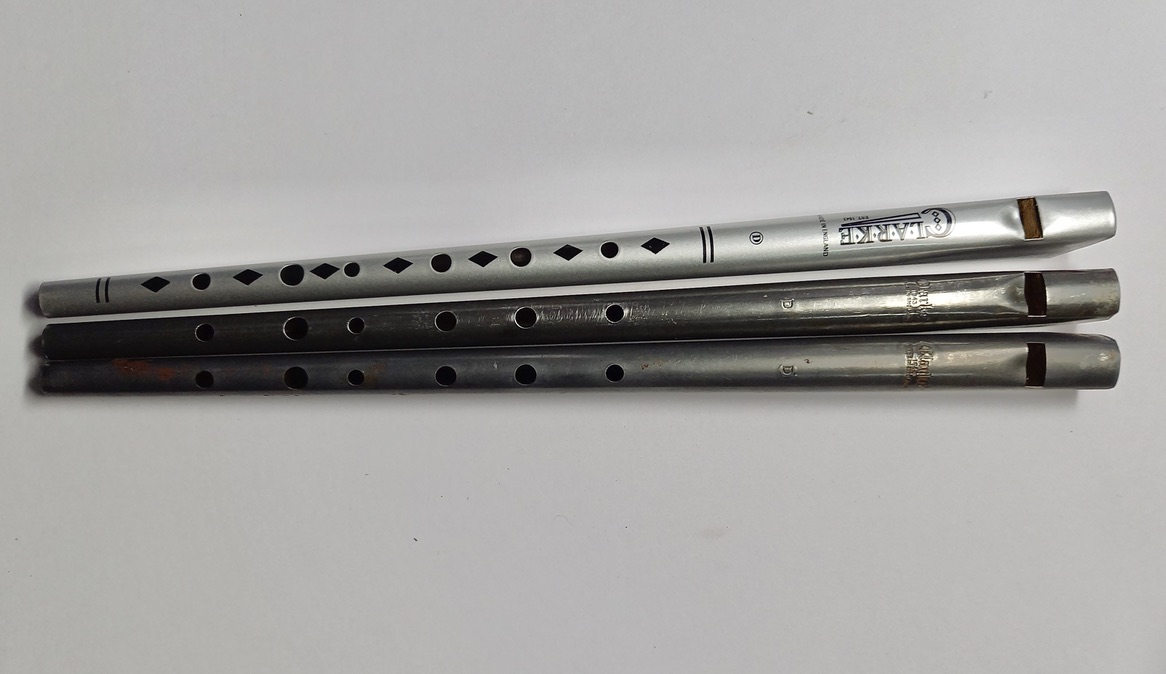
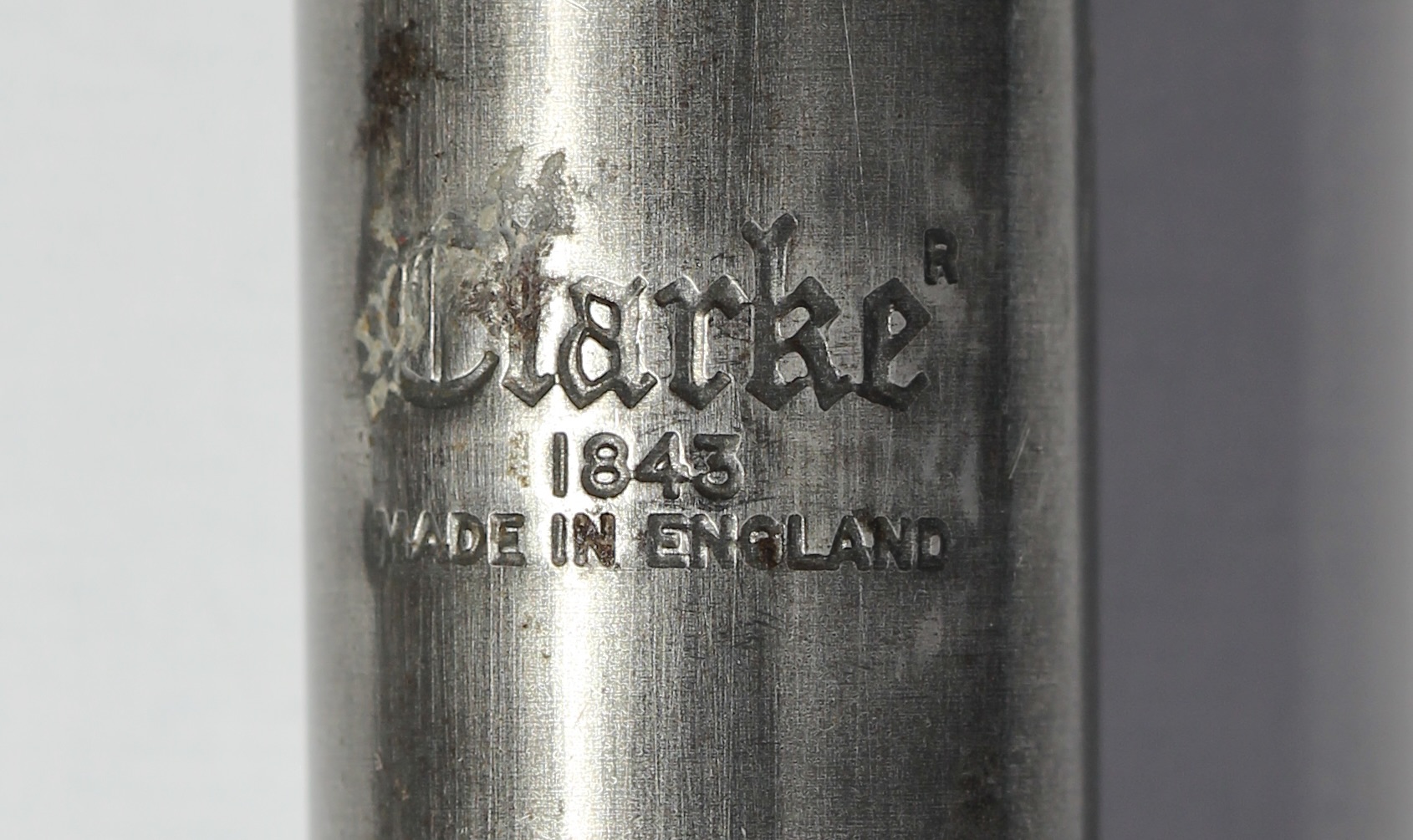
Modern one on the left:
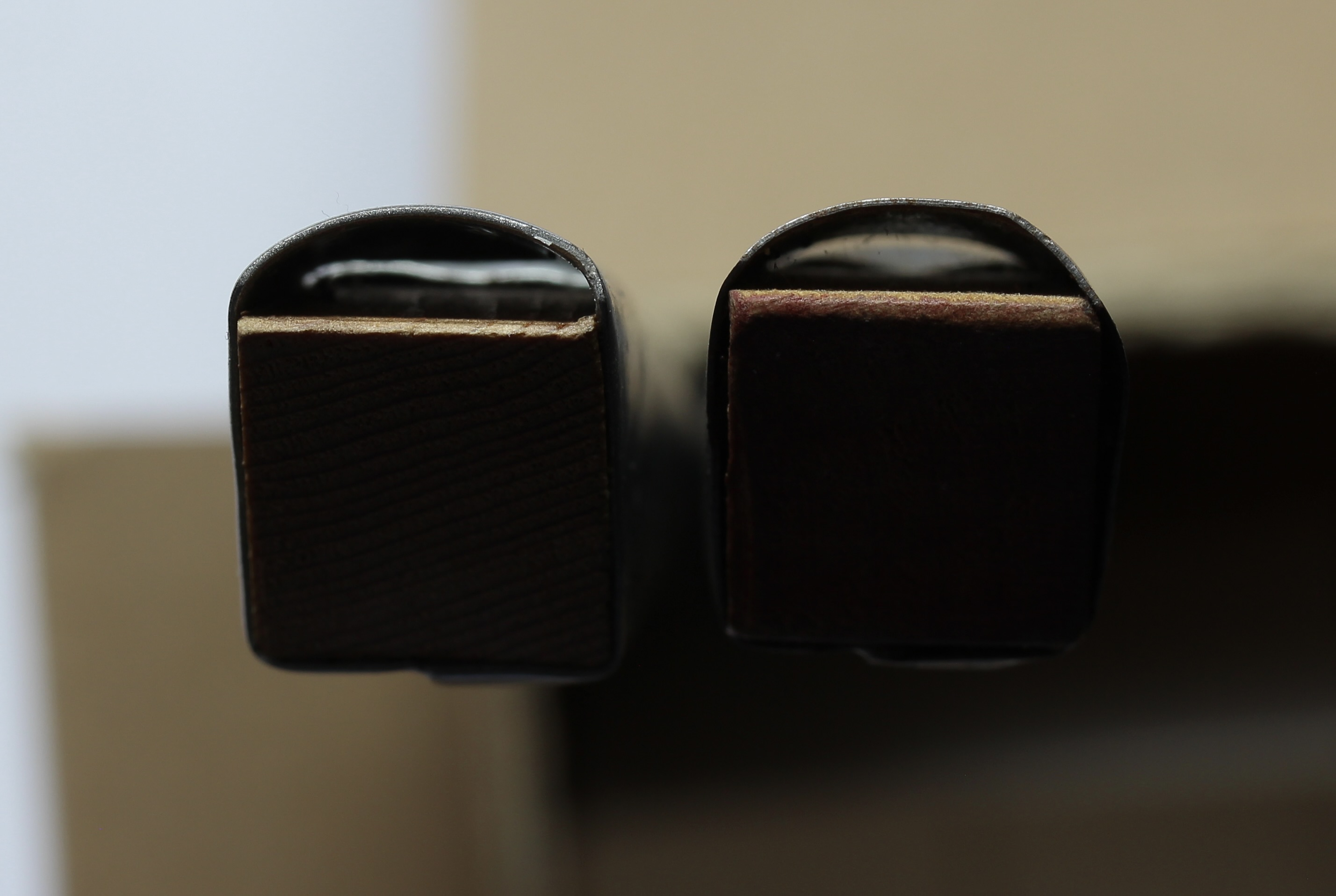
Though looking around here, any date between 1946 and 1989 seems to be ruled out by Clarkes themselves:
Bill Ochs said, re his tutor book, “Bill: Right. When I set out to do this project, Clarke hadn’t manufactured a D whistle for over fifty years.” (which would be pre 1938).
(from https://www.chiffandfipple.com/t/my-first-clarke-original/92977 )
And from Norman Dannat in 2009: “Since we took over the Company [1986] we have done the R. & D. for the D whistle which continues to be very popular. And now the factory is fully occupied in supplying the demand for our Cs and Ds.” - implying that the 1989 D is completely newly designed.
(from: https://www.chiffandfipple.com/t/a-clarke-in-any-other-key/65130/5 )
Could the apparently scarce gothic stamped ones be a small run (perhaps for the US market) around 1989? They certainly have the same essential design as the 1989 model. They look older but that may just be the lack of finish allowing a bit of rust.
It would be useful to know when Clarkes acquired the R in circle logo.
Apologies for these nerdy ramblings. 
A bit more evidence for these unpainted gothic stamped ones being 1989 onwards: I just bought one with its original box on eBay (a bit expensive but it was for a hospice charity). The box has the modern address - “The Old Joinery” - which they moved to in 1991 according to the Dannatt book. (I don’t think there’s much reason to doubt that they belong together).
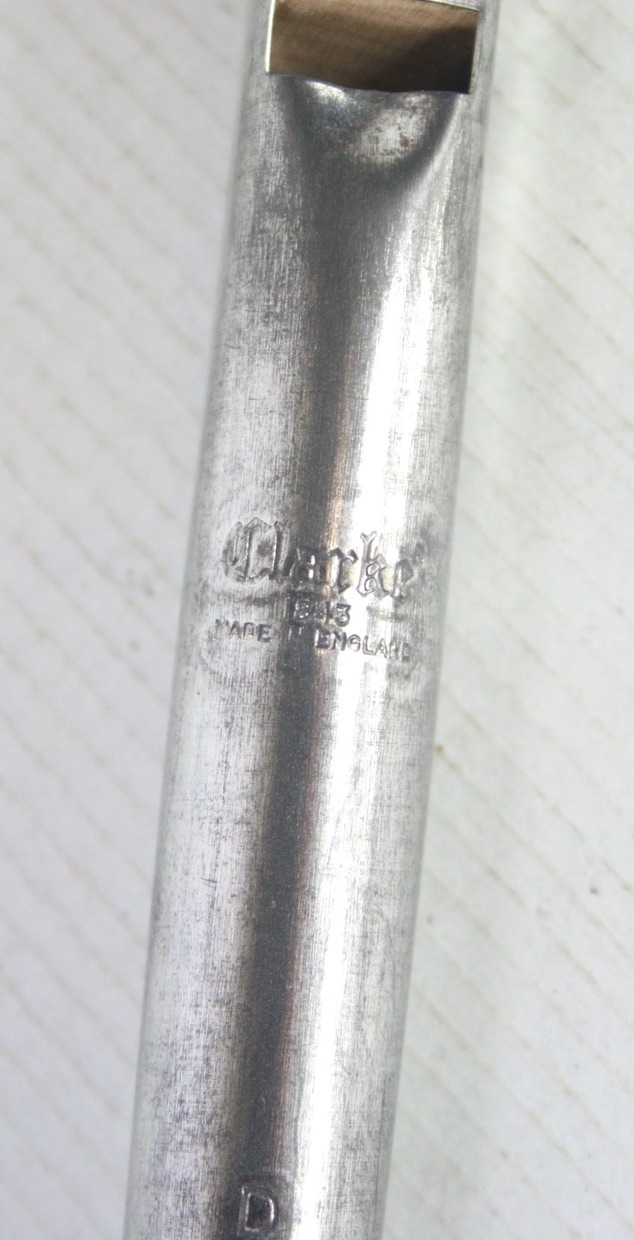
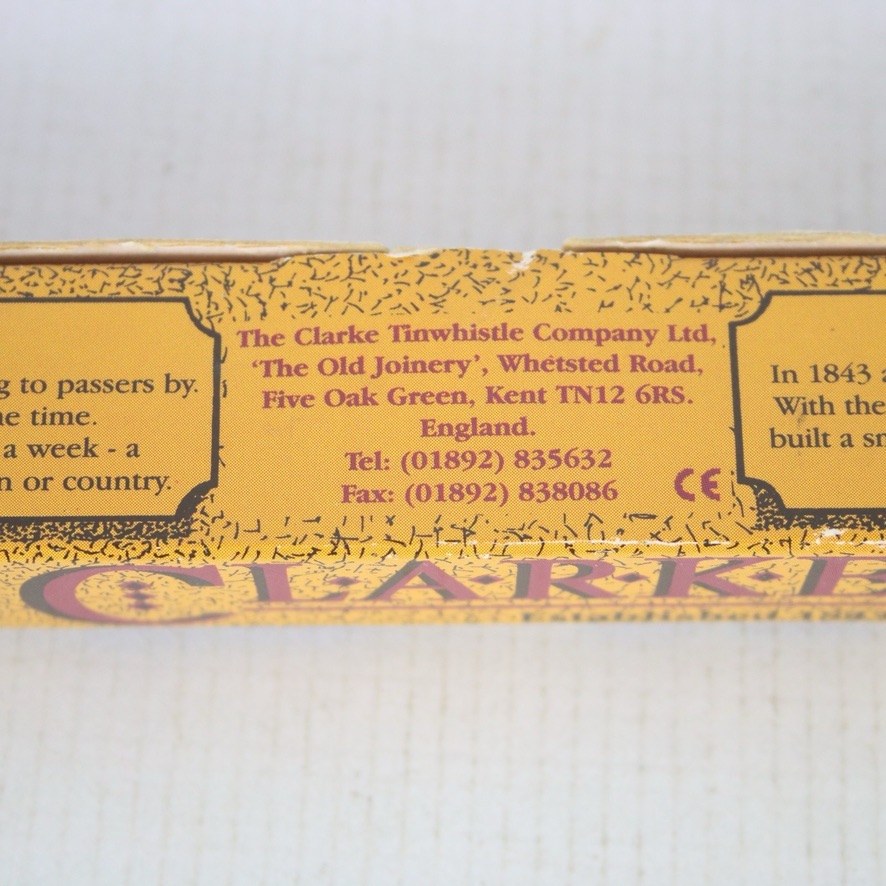
And in the forward to the 2005 edition of the Dannatt book, Dale Wisely mentions buying a new unpainted D in 1994/1995.
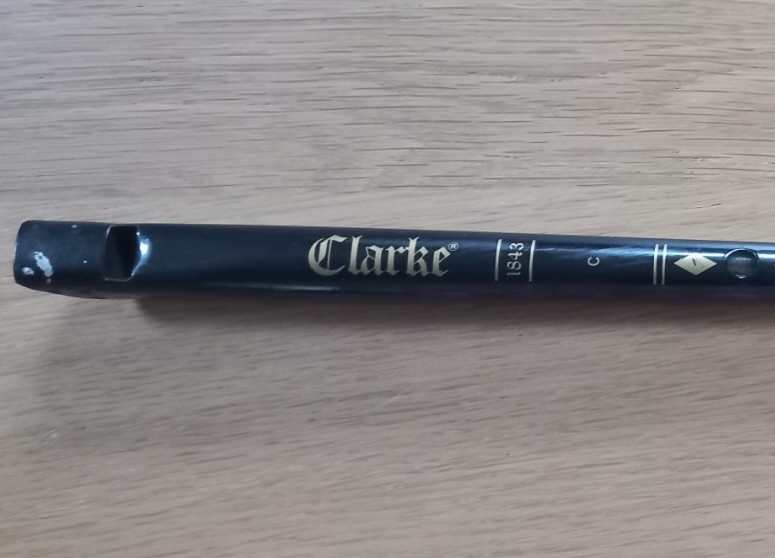
I’ve also seen a couple of these Cs about, with gothic logo including an R in circle which I guess are post 1986, after the Weedons bought the company and incorporated it. It seems that Clarke went gothic for a presumably short period around then - anyone else have any? Googling “Clarke whistle logo” doesn’t bring up any images. I just bought this one for a few pounds, having become a bit obsessed with logo history!
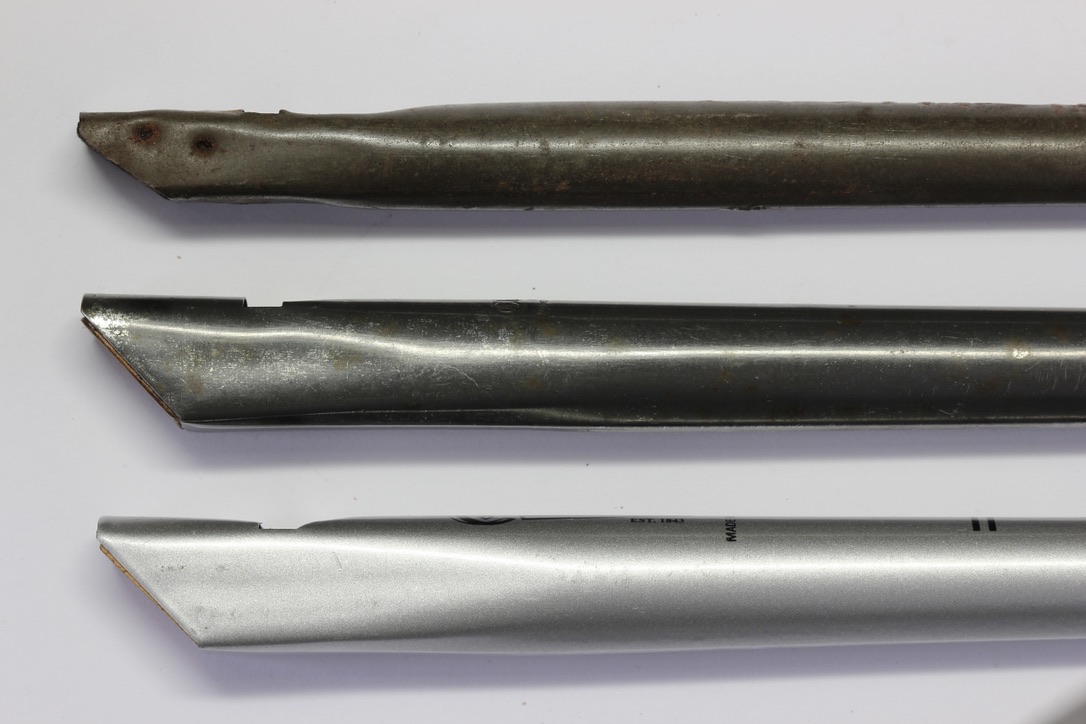
For comparison, here’s a definite old (how old?) R. Clarke D (top) which is a lot narrower and a bit shorter than a modern one (similar taper but about 2mm narrower most of the way along it).
It has a much lower block, as viewed from the side, and the expected flat windway. The pitch is also very high as expected, about A455.
Thanks so much for doing that research!
Having that gap in Clarke D production between around WWII and the late 1980s confirms my recollection that in the 1970s Clarkes were only available in C.
Everybody I saw back when I started, around 1976, played the Generation D.
1 Like
Thank you! Yes, it only confirms what people generally say and none of the old Irish players ever mention a Clarke D - if they were made even in say the 1920s and 1930s, you’d think there’d still be a few around for them to play in the 50s and 60s. Unless the damp destroyed them quickly perhaps…
There was one of these gothic ones on ebay recently that the seller thought was a great early rarity and was asking over £400. Mine averaged under £20 and the best one was a fiver.
1 Like
It’s only Clarke-adjacent, but there’s a Shaw Low D on the Bay fetching a lot more than I thought it would, and it’s not over yet.
I’ve long wanted to get my hands on one of those (if I could get it cheap) so I could try tweaking the windway and blade, as I successfully did to an old Clarke C.
1 Like
I’ve been watching that out of interest and was also surprised ! I already have one (about £100 last year) which I like a lot though you do have to breathe a bit more than normal - not a problem, it comes out about the same as a flute. I’ve tried tweaking it to reduce air consumption but it messed the top octave, making it too shouty. I seem to remember Jerry Freeman saying they don’t tweak the same way as the smaller ones and that’s my (limited) experience. I’ll keep trying…
I actually live just a few miles from Dave’s old home but sadly didn’t want his whistles while he was alive - I really want a low F now. I have G, A, Bb, C, D and Eb which are all fine and the G especially is lovely.
A search on here for “unpainted Clarke” brings up quite a few results, mostly 2002-2012 and a few later. People like them for reenactments and the aged patina they quickly acquire, with some people not liking them for the same reason.
They don’t mention the style of stamped logo.
Clarke no longer list natural finish, I guess because of the tarnishing/rusting issues, but there are a few still available from some shops; these have a stamp with Clarke’s usual modern design.
I have a standard current black and gold D (bought used) which is clearly painted over the stamp and I guess there are a lot of these - maybe all of them at one time to simplify production?
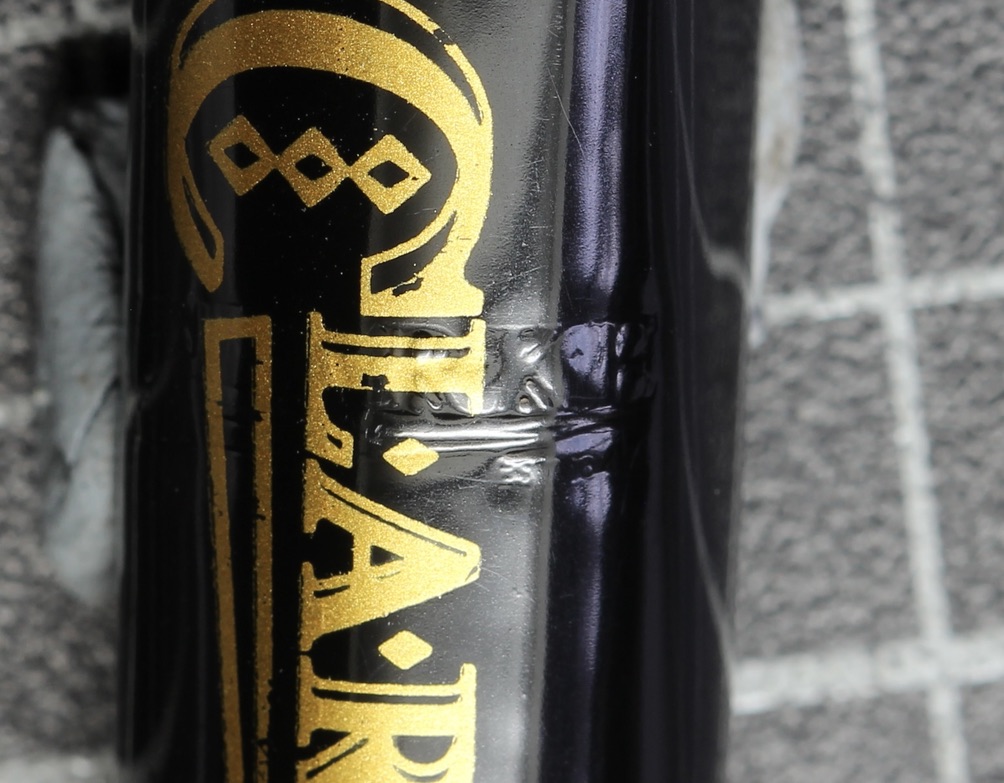
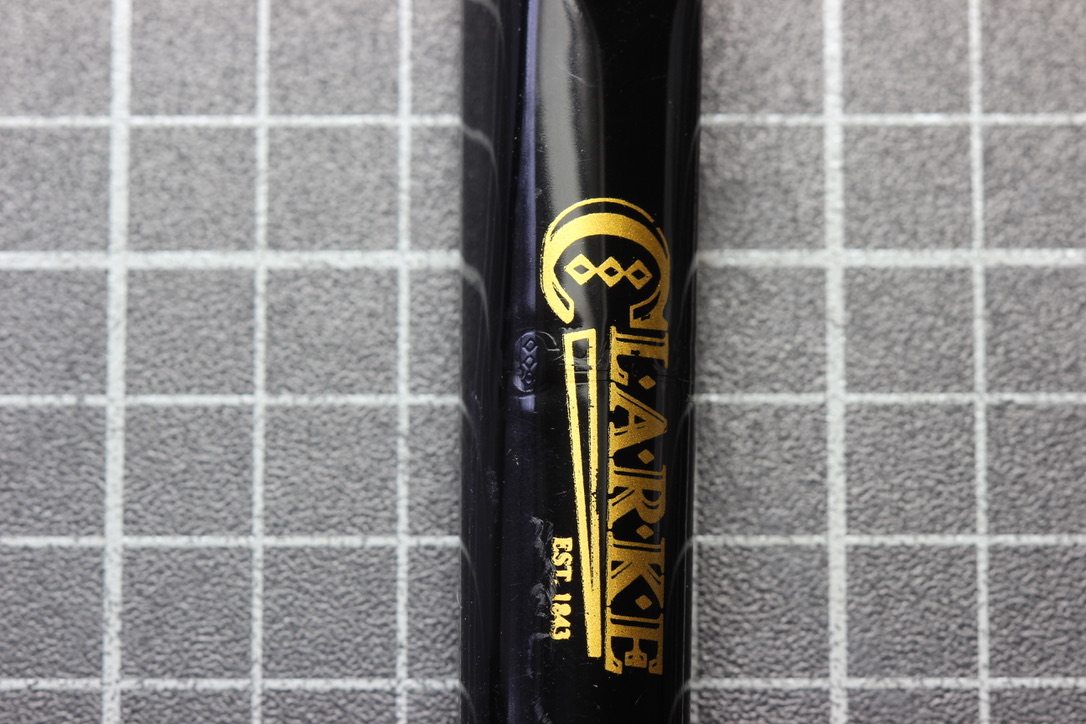
And from Just Flutes, natural finish:
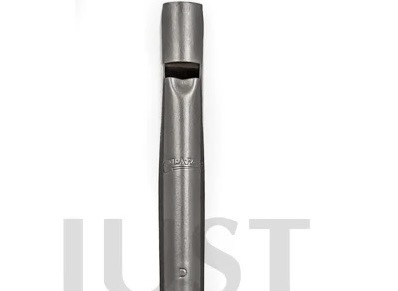
This one, on this 2024 post from @coreyf , shows a 1990s or perhaps early 2000s painted style over a gothic stamp. Standard production or a decision to stop it tarnishing/ rusting?
https://www.chiffandfipple.com/t/desperate-for-help-dating-antique-clarke-and-generation-whistles/106824