Here is a demonstration of the most important part of Irish Flute making: testing the flute to make sure that the damn thing works or not. The ones that work are sent out to waiting customers, some who have waited patiently for months and sometimes for years for their instruments. The ones that do not work are…well, watch the video:
Wasn’t that an Olwell flute that got shoved into the stove along with the Murray and McGee flutes that I saw? Casey, is that why you call your flutes Casey Burns Flutes, because they have to pass the burn test before you send them out?
I like to think of myself as the Julian Assange of the Irish Flute world. Remember - anyone dealing with woodwinds, especially bagpipes, is dealing with leaks.
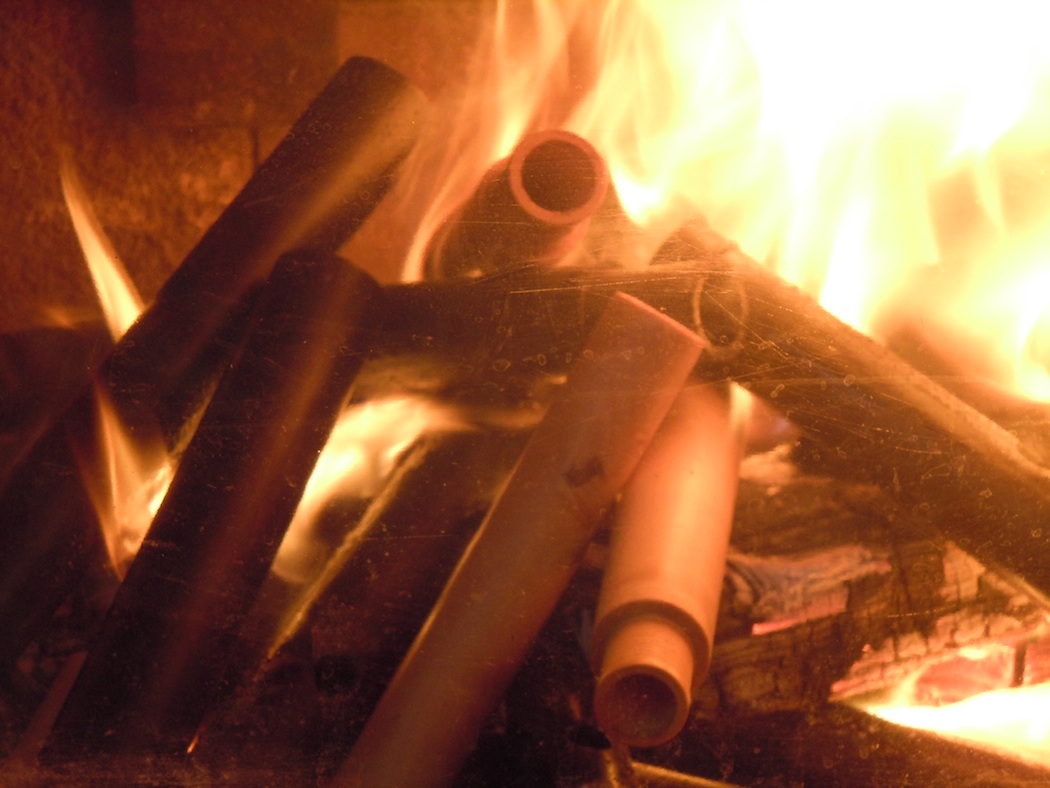
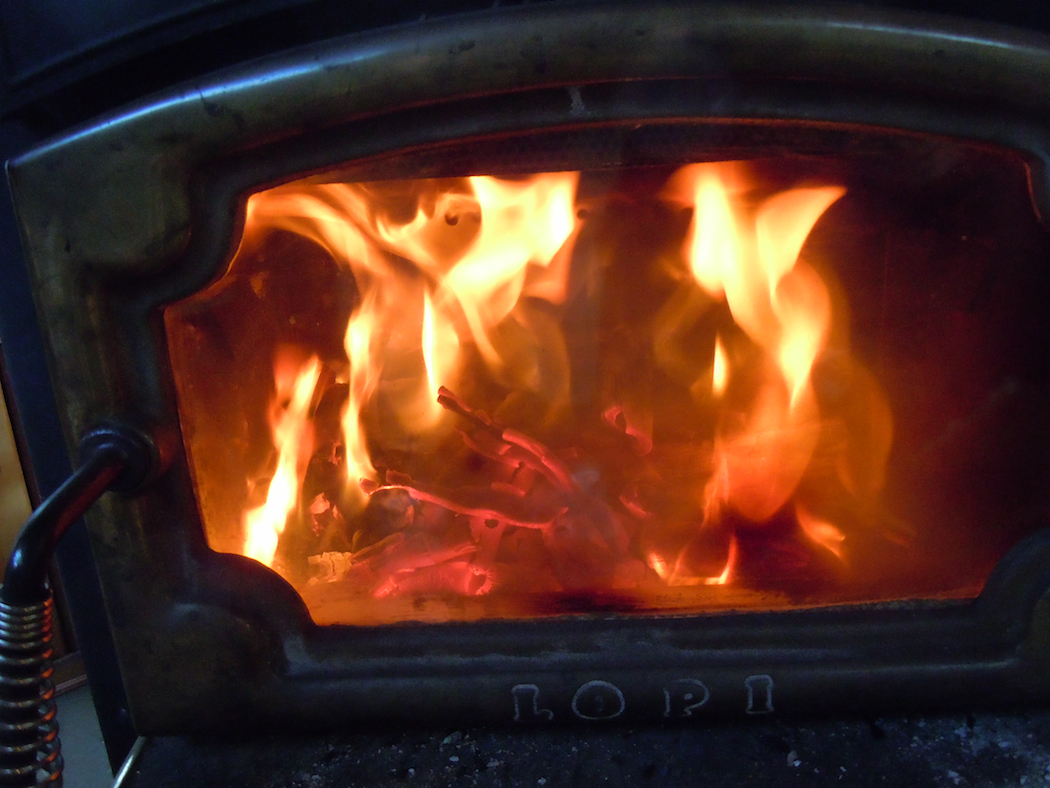
For the truly horrified: the flute parts were all real, and were all from my workshop. I generate, along with the flutes I send out, a fair bit of flutes that are of this “Firewood” quality. Most of them end up in my wood stove at home (I was borrowing a friend’s with its pretty glass front for this demonstration). In every batch of 10-20 flutes there are usually 2 or 3 flute’s worth of wood that rejects out, especially in black wood. One sometimes can’t see defects in the wood until the flute has been oiled.
Nothing is sacred, especially these flute parts. And catharsis is healthy. Instrument makers occasionally get together for an “Instrument Bash”. This not only helps to relieve stress, but it makes room in the workshop. And lowers the heating bills. Word is circulating that such an event will be happening soon somewhere nearby amongst the luthiers and I hope they remember to invite me.
Terry, Doug and other makers - how about we get together to do something like this in Marseilles, Casablanca or Naples? We could call this gathering the “Mediterranean Flute Fry”.
It makes the more naieve me wonder why Casey burns both sections when probably only one part is the culprit… (The less naieve me says the film is a dramatization, but you never know, maybe we’ll learn something here…)
It’s also no good news for my project as I had planned to make only ONE flute… I do have some spare material, but not THAT much…!
looks like more boxwood then blackwood !?
do you find boxwood gives more of a creamy softer buttery fire?
blackwood more of a crisp, dark fire?
what happens when you burn snakewood, does it burn just like chicken?
All of these woods burn wonderfully. Especially after they’ve been oiled. The tubular shape means that there are many little flues in the fire and we actually had to damp the stove way down before it got way too hot in there.
When blackwood burns, the resin starts boiling out of the wood furiously.
I keep a big burlap bag in my workshop for end cuts, squares with too many checks and other scraps, and bring this into the house to burn in the woodstove or give it away to friends short on firewood late in winter heating season. Its really amazing firewood.
is there no way of redeeming any of the sub standard flutes ? Seems such a sad thing to burn even a sub standard flute. Send them to me and perhaps i could muck around with them or something. If all else fails. . I will burn em for you : )
I am sure these parts could be redeemed into working flutes but I don’t have the time nor the incentive, thanks to my waiting list. Plus I don’t want to send these basket cases out into the world with my name on them. I have a reputation to uphold after all! Thus into the wood stove with these!
I do send out factory seconds occasionally. Even with no guarantees, a few people have asked me to do modifications, corrections, etc. on them as if they purchased one of my fully warrantied instruments. Thus even the factory seconds ones I send out occasionally have to be bomb proof. Thus if the wood has any cracks or other fatal flaws, its into the woods stove.
The pieces in the wood stove video were too far gone for even factory seconds. The only sadness, perhaps, stems from the hours of my life that I have spent machining this firewood. But that is a normal thing one has to accept when working wood and its not sad. Thus why not use them for props for some spectacular theater? Most everyone is getting a big laugh out of this - and this is well worth the sacrifice! And people remember that I am out here.
Check out my “adjusting flute tuning” video on my YouTube channel. Lots of laughs on that one as well. And orders for at least 4 flutes from people who first learned of me through that video!
If you ever get it in your mind to recycle rather than burn these flutes, I’m sure we could come up with 100 things to do with the flutes. This is your business though, not ours.
Don’t forget Lamps!!! They’d make great lamps. Glue several together and you could make a walking stick. Then there is always the option of designer billy clubs…
I used to buy wooden rhythm sticks in Mexico, and they resembled flute headjoints. I can see the ad now: Casey Burns authentic boxwood rhythm sticks, $14.99 + Shipping, preferred by discriminating musicians around the world.



 That was wonderful. I can feel that holiday glow from here. Thanks, Casey, and season’s (seasoned?) best to you and your family!