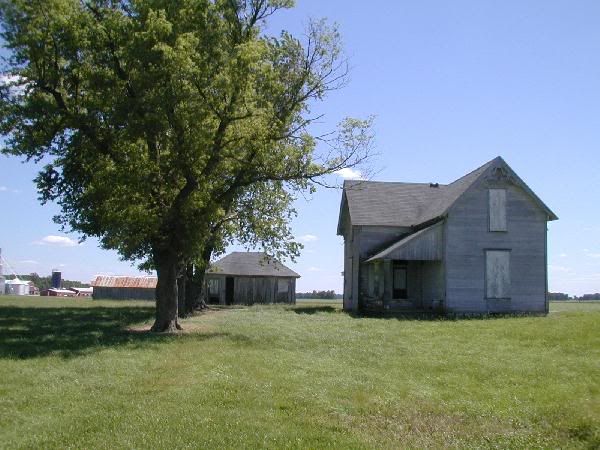
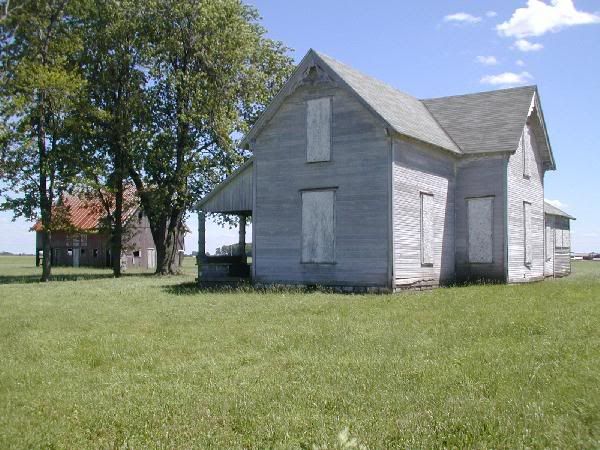
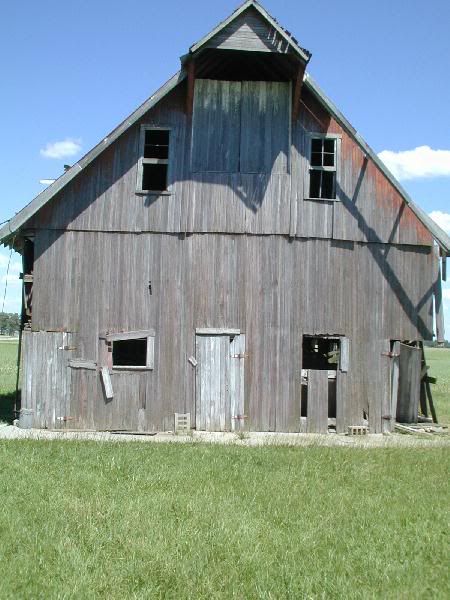
This series of photos makes me think of Ein deutsches Requiem (“A German Requiem”) by Johannes Brahms.
These are the words in German and English for the first three movements:
I. Chorus
Selig sind, die da Leid tragen,
denn sie sollen getröstet werden.
Die mit Tränen säen,
werden mit Freuden ernten.
Sie gehen hin und weinen,
und tragen edlen Samen,
und kommen mit Freuden
und bringen ihre Garben.
Blessed are they that mourn;
for they shall be comforted. (Matthew 5:4)
They that sow in tears
shall reap in joy.
They that go forth and weep,
bearing precious seed,
shall come again with rejoicing,
bringing their sheaves with them. (Psalm 126:5-6)
II. Chorus
Denn alles Fleisch es ist wie Gras
und alle Herrlichkeit des Menschen
wie des Grases Blumen.
Das Gras ist verdorret
und die Blumen abgefallen.
So seid nun geduldig, lieben Brüder,
bis auf die Zukunft des Herrn.
Siehe, ein Ackermann wartet auf
die köstliche Frucht der Erde
und ist geduldig darüber,
bis er empfahe
den Morgenregen und Abendregen.
So seid geduldig.
Denn alles Fleisch es ist wie Gras . . .
Aber des Herrn Wort bleibt in Ewigkeit.
Die Erlöseten des Herrn
werden wiederkommen,
und gen Zion kommen mit Jauchzen;
Freude, ewige Freude wird über
ihrem Haupte sein;
Freude und Wonne werden sie ergreifen
und Schmerz und Seufzen wird weg müssen.
For all flesh is as grass,
and all the glory of man
as the flowers of the grass.
The grass is withered,
and the flowers fallen away. (I Peter 1:24)
Be patient, therefore, brethren,
unto the coming of the Lord.
Behold, the husbandman waiteth for
the precious fruit of the earth,
and hath long patience for it,
until he receive
the early and the latter rain.
So be patient. (James 5:7)
For all flesh is as grass . . .
But the word of the Lord endureth forever.
(I Peter 1:25)
And the ransomed of the Lord
shall return,
and come to Zion with songs
and everlasting joy
upon their heads:
they shall obtain joy and gladness,
and sorrow and sighing shall flee away.
(Isaiah 35:10)
III. Baritone Solo and Chorus
Herr, lehre doch mich, dass ein Ende
mit mir haben muss, und mein Leben
ein Ziel hat, und ich davon muss.
Siehe, meine Tage sind eine
Handbreit vor dir,
und mein Leben ist wie nichts vor dir.
Ach, wie gar nichts sind alle Menschen,
die doch so sicher leben.
Sie gehen daher wie ein Schemen,
und machen ihnen viel vergebliche Unruhe;
sie sammeln und wissen nicht,
wer es kriegen wird.
Nun Herr, wes soll ich mich trösten?
Ich hoffe auf dich.
Der Gerechten Seelen sind in Gottes Hand
und keine Qual rühret sie an.
Lord, make me to know mine end,
and the measure of my days, what it is;
and I must journey toward it.
Behold thou hast made my days as an
handbreadth;
and mine age is as nothing before thee:
verily, every man at his best state
is altogether vanity.
Surely every man walketh in a vain shew;
surely they are disquieted in vain:
he heapeth up riches,
and knoweth not who shall gather them.
And now, Lord, what is my hope?
My hope is in thee. (Psalm 39:4-7)
The souls of the righteous are in God’s hand,
and there shall no torment touch them.
(Wisdom of Solomon 3:1)

Some notes on the requiem:
A “requiem” is a mass for the dead; a musical setting of the mass for the dead (from 1st line of the ceremony “Requiem aeternam”–eternal rest; later sections include “Dies Irae”–day of wrath); note that the requiem mass was in Latin
The mass (the main religious ritual of the Roman Catholic Church) had been set to music for centuries: chanted through Middle Ages; polyphonic mass starting in the 1300s; famous masses by Palestrina [in Renaissance], Bach [in Baroque period], Haydn, Mozart, and Beethoven [classical period], and others;
Requiem mass also chanted; polyphonic settings starting in 1400s; one of most famous is by Mozart in classical period; later settings: Berlioz, Verdi, and Faure (also Liszt, Saint-Saens, Bruckner, and Dvorak) in 1800s; Benjamin Britten, John Rutter, and Andrew Lloyd Webber in 20th century
**—>**Brahms’s setting is different because doesn’t use the words or structure of the requiem mass; rather uses scriptures from the Old and New Testaments (and the Apocrypha) in Luther’s translation; also instead of Latin, German–hence “A German Requiem” (note: he later said he maybe should have called it “A Human Requiem”)
**—>**Non-denominational (not even explicitly Christian, though uses New Testament scriptures); also differs from traditional requiem in being more for the living (those who are mourning) than for the dead
(Not entirely new, though); Influence of earlier music: Bach (polyphony; sacred choral music); even earlier Heinrich Schutz (wrote a requiem in German and other sacred music using some of the same verses)




 I think you mean "scottielvr, please take, and post, those pictures!!! And I’d love to see them too.


