Setting up Ezy Drone reeds

Hi,

New to Uillean Pipes but do have a fair bit of experience with other types.

I have installed a set of ezy Drone reeds and they sound fine. However, they take what appears to be an very large amount of air if they are going to play at all. Following the setup instructions I have moved the bridle back until they play.

I have fiddled with the chanter reed to find the minimum airflow that plays consistently (still having issues above high G but that would be a separate topic)

can anyone assist - intuitively i would slide the bridle forward, but then they cut out.

I really don’t want to make mechanical changes - I expect that this type of commercial product ‘should’ work. I purchased these reeds largely because I am working on making chanter reeds and wanted one problem at a time. Bag is airtight and no apparent leak around the drone seat/common stock joints.

Thanks in advance.

David
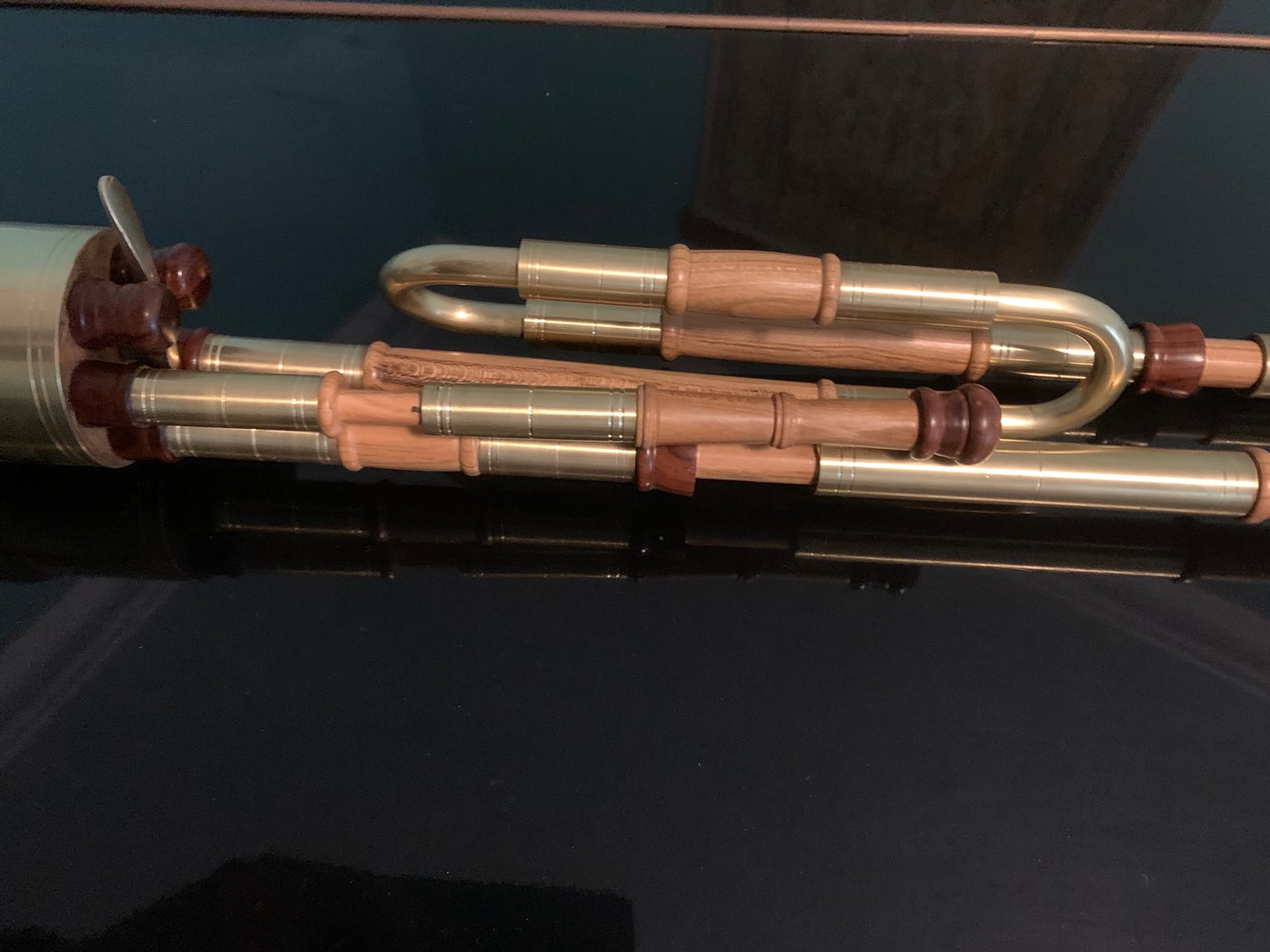
Who made your pipes?

Unfortunately EzeeDrone reeds are not suitable for every set of Uilleann pipes drones. They are often not worth the effort.

HI, thanks for your quick response.

I made the pipes (my third set of pipes but first uillean) largely from the available drawings of Rowsom pipes. Where dimensions were unclear i referred to Garvins book. Some of the components, such as blowpipe and valve i derived from very good northumbrian pipe drawings my son used for his.

Pretty much the only thing that is still problematic is the C# is too flat to adjust with tape etc. (rest of chanter tuning is probably lack of reed making skills)

I have only had a chance to seriously look at one other set of pipes (American but did not write down the maker), and there is no way the drone hole for the tenor drone could have fit an eazy drone reed, let alone getting it to play.

The problem I seem to be having is that to get them to play I need to pull the bridle all the way back, and this uses lots of air. Noting that my only real point of comparison is that I would be unhappy with this balance on highland pipes.

Are you aware of any design specifications around this issue? I can see a couple of things I would look to change on my next set (this set were supposed to prove the design but they are nice and have had a very large investment of time).

cheers

David

Wow David, those look great! Nice job.

I’m inclined to agree on the point of your chanter’s tuning. I made a chanter based off of a Rowsome, and the more gratifying achievement, by far, was getting the reed happy in it.

I had tried EzeeDrone reeds in my pipes, as I have a gig that sees me playing outside for an extended part of the year. They always played much flatter than the original maker’s reeds (which worked perfectly fine, I might add! I just sought more stability in the changing weather.)

To make up for their flat tuning, I had to choke up on the tuning slides and bring them all far shorter than suitable for an ideal sound and stability.

Since then, I have had the wonderful Nate Banton re-reed the drones with his carbon fiber/brass reeds, which have more than accomplished what I’ve been after. A real joy to play with!

Uilleann drones have more demands to meet than drones in most other pipes. Chiefly, they must remain stable in the changing pressure across two octaves. Not to mention regs…

If you have the resources at your disposal, I would recommend trying to make a couple of reeds. I can definitely understand the frustration with a commerical product not being plug-and-play. I’m sure there are sets of uilleann pipes that are plug-and-play with EzeeDrones, but Uilleann pipes vary quite a bit one-to-the-next.

You could try flattening the reed with a bit of blu-tac on the tongue & then choking up the tuning slides a bit. That worked for me until I got to something better.

You could also shave the tongue down a little, and slide the drones out to compensate – this is a permanent change to the reeds, though, and may leave you without any working drones!

I would love to hear how they sound when you get them happy. Best of luck!