What would the best finish be to put on a whistle be? Epoxy, varnish, or finishing wax?
Thanks. Wes.
One could reasonably infer that you are inquiring about the finish for a wooden whistle. Is that correct?
These have been used to put a finish on too.
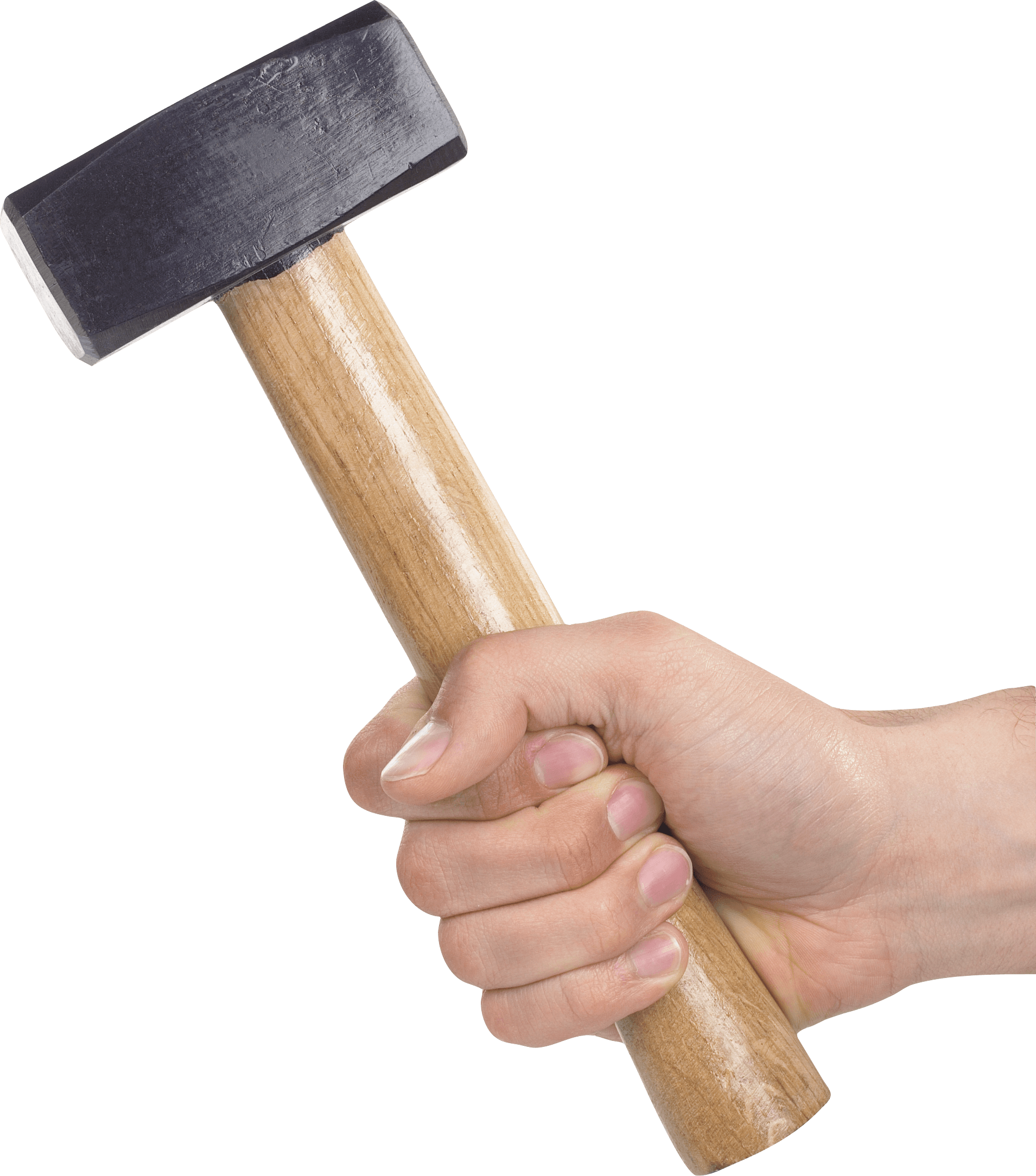
I thought those were for making flat chanters.
Multiple uses. Very versatile.
Right you are. It’s a banjo tuner, too. 
Yes it is for a wood whistle. That looks like a mallet.
I would consider the variety of wood used and Google what is, generally speaking, the best way to finish it. The best general-purpose coating might be inadequate for a whistle, but other members will doubtless be better-qualified than I to confirm or deny that.
When I was an apprentice in the metal trades, I was told it was a 4 lb. button set. 
When I worked in the construction trades along with many scandinavians, I was told it was a Norwegian/Swedish plumb bob. 
Bob
For example, if the whistle’s of blackwood, no finish is needed. Ebony OTOH tends eventually to crack from moisture, so a finish of some kind, especially in the bore, would I think be advisable. I’d say Dan’s advice is a great way to start. Once you get into mouthblown wind instruments, though, it’s a good idea to expect the best thing for them to be different from what would suffice for cabinets and the like. Loren comes to mind as someone worth asking.
Maybe Paul Busman could add a thought or two also…
Or Tommy, Whistles of Wood.
Best wishes,
Steve
Thanks everyone. I am working with manzanita, and agarita/barberry, both of which are very hard, with the manzanita being somewhat brittle, both of them have incredible grain pattern. I just wanted to get an idea of what other people are using to put a finish on their instruments.
Here’s somebody who says he’s made whistles out of manzanita. Don’t know anything about him other than the newspaper article but maybe he could be of help…
Best wishes.
Steve
Yes, epoxy, varnish or finishing wax would be fine. 
Burnishing makes a nice finish also.
Do you want to make it shiney, seal it, or both?
Unless the broken shards of wood make it a sharp chanter.
I’ve seen those advertised as a banjo mute.
Glad to oblige. If you want a friction polish to be applied while the piece is spinning on the lathe, this is the one I use:
https://www.woodturnerscatalog.com/p/146/1996/Hut-Crystal-Coat
It’s easy to apply and is pretty durable. For very hard, smooth textured wood I don’t use any undercoat. For wood that has a high oil content,if very fibrous or has a very opengrain, I use a wood sealer first, like this:
https://www.woodturnerscatalog.com/p/42/1059/Mylands-Cellulose-Sanding-Sealer
This dries very fast. I usually use several/many coats, letting them dry in between, and lightly sanding with 400grit. Then the Crystal-Coat.
Just before shipping, I apply a coat of Minwax paste finishing wax.
Some woodturners in our local club use Cyanoacrylate glue as a finish. You can get a terrific shine and it’s tough as heck, but all those fumes make me leery.
I use 100% tung oil. It’s food-safe and as well as penetrating the wood, it hardens on the outside, giving a nice shine.
I don’t like speaking for others, especially those with experience in lathe-turned instruments, of which I have none. However, I bought a whistle from Paul Busman and he told me, in person, that he uses almond oil. His fipple plugs, however, are made from delrin and as such do not require oil finish. I remember asking him, because he made the whistle out of some walnut stock that I gave him. He was very accommodating and informed me (before he started work) that walnut is not ideal due to its porous nature, and so required multiple applications of oil. This is a tricky business with a thin-walled instrument like a whistle (even a wooden one).
And cyanoacrylate bonds nearly anything to nearly anything else (including skin) very quickly. If you’re going to use that stuff, have a debonder handy. Acetone works great for that purpose.