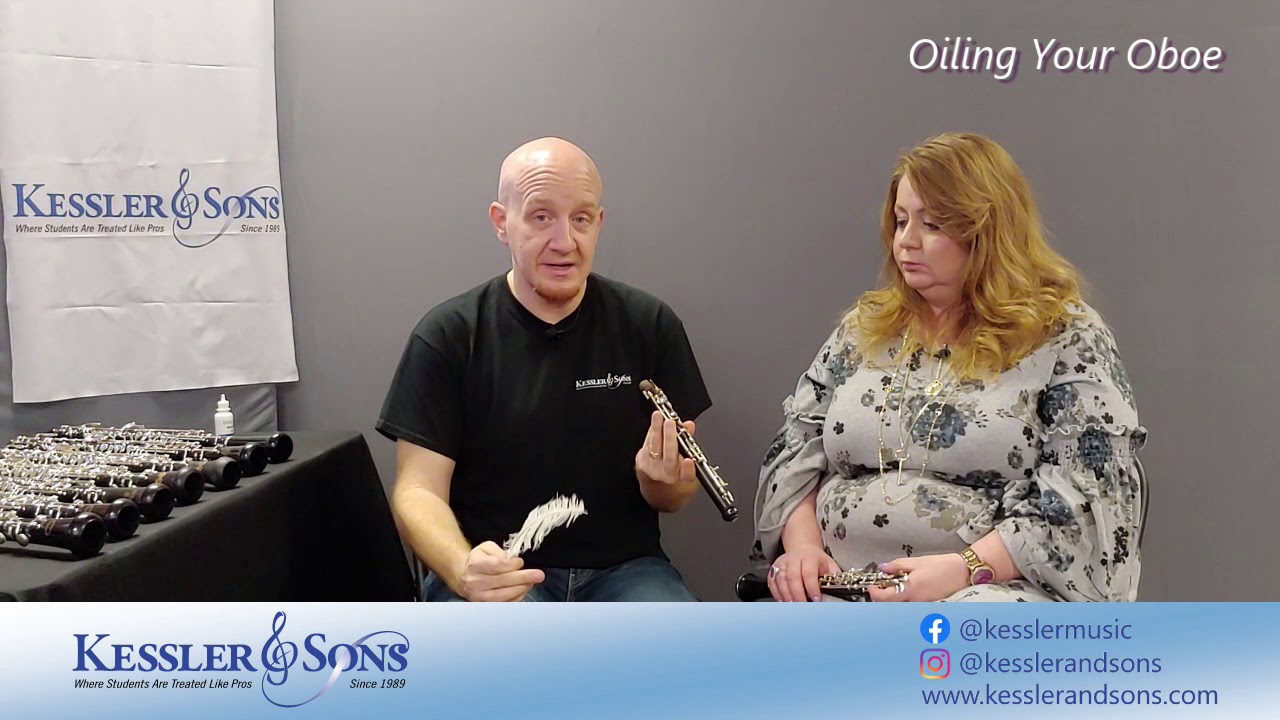
Anyone here use a turkey feather to oil their flute? Was looking for almond oil online and came across this video where a turkey feather is recommended for oiling an oboe. That method never occurred to me. I use torn small bits of cotton cloth and a swab stick, which is fine, but sometimes awkward due to my not cutting a good piece. Maybe feathers are just an oboe thing?
I don’t know if any flute players use turkey feathers. Our flute bores are bigger than oboe bores, we might need ostrich feathers!
Some years back, I realized that using anything absorbent to distribute the oil, eg a scrap of cloth, means you are wasting oil. Most of it soaks into the cloth!
So I started using Saran wrap (cling wrap as you use in the kitchen). Pull a bit of it through the slot in a flute cleaning rod, dribble some oil into the bore, and use the wrap on the rod to smear the oil all over the bore, til the whole bore glistens.
Then set aside for a day or so to allow the oil time to soak in. If wet patches remain, it tells you your bore is well sealed, and you don’t need to apply so much next time. Use a scrap of rag on the cleaning rod to remove the excess oil, then set aside to dry fully.
If it all goes dry after the initial oiling, it might suggest you should repeat the process, as clearly your bore is not sealed.
I think it’s also important to make sure the end grain at the ends of the tenons are well oiled. We don’t want moisture running down inside the flute to be able to soak into the tenon end grain and swell the tenons!
I was interested to see they recommended almond oil. I know it was recommended back in the baroque era, but I’m not convinced it’s the best oil these days. I just go with what the big makers like Yamaha recommend for their instruments.
Interesting. I’ve not considered the saran wrap method either. But see the appeal. My cloth does soak up a lot of the oil. As does the feather I’m sure. Had not thought of the difference in bore size. The feather looked easy in the video, but that is a different instrument of course. I’ll give the saran wrap method a go sometime!
I’ve been using a couple of pieces of “Viva” brand paper towel wrapped around a long bamboo chopstick to oil the bore. Same way I dry the flute after playing, but with bore oil. This brand is very cloth-like, doesn’t shed like other brands. I just throw it out after.
I don’t mind losing some oil to the paper towel. The saran wrap method sounds scary to me because I place small pieces of saran wrap under the closed keys and over the key hole to prevent oil from reaching the key pads. The paper towel never adds too much oil or sticks to those small saran wrap pieces over the key holes.
The bore on an oboe tapers down to almost nothing at the mouthpiece, so they have very limited options for what they can put into the bore without major danger of getting it stuck. They also have special tools for removing swabs that get stuck. It all depends on the size of your instrument and how much it comes apart.
A huge range of things work on instruments that come apart, especially wide bores like a standard D instrument. In fact, recorder and clarinet swabs (including the tiny descant recorder ones) can do the job. They waste oil but that may not be such a problem if you are using standard bore oil and oiling a bunch of instruments. And the oil has to be stable like what they use on concert instruments if you plan storing the swab and using it next time.
The problems come when the bore is too narrow and/or long to get a flute cleaning rod in there. Silk rather than cotton rags can be helpful (and small bits of silk aren’t expensive). On some of them, you can use a silk oboe swab of the kind that has a tiny weight tied to one end and a long string on the other and you drop it into the bore. It’s also possible to get very long q-tips (cotton buds) online for some of the small but very narrow fifes. I’ve definitely used an oboe feather on one or another problem bore instrument but I think that was after I already had an oily feather lying around due to oiling a folk oboe.
The first and most important thing is to be absolutely totally sure it’s small enough that it can’t get stuck. I made that mistake once with a keyless fife and had to remove the piece of rag bit by bit, partly through tone holes. That was not fun. I would rather waste lots of oil rather than ever have to do that again. And one reason I stopped improvising with chopsticks.
If you do want to mess with feathers, they aren’t that expensive. But get them from a reputable oboe shop. Birds carry a range of dieases and those folks know how to ensure the feathers are sterilized.
This is a whole totally different set of tools for the same task, which I haven’t tried but it’s worth remembering that wood recorders and clarinets are basically similar to wood flutes.