I’ve just spent four days with Ronaldo Reyburn in his workshop outside Ashland, Oregon, and he asked me to pass along some news.
Ronaldo is taking down his website.
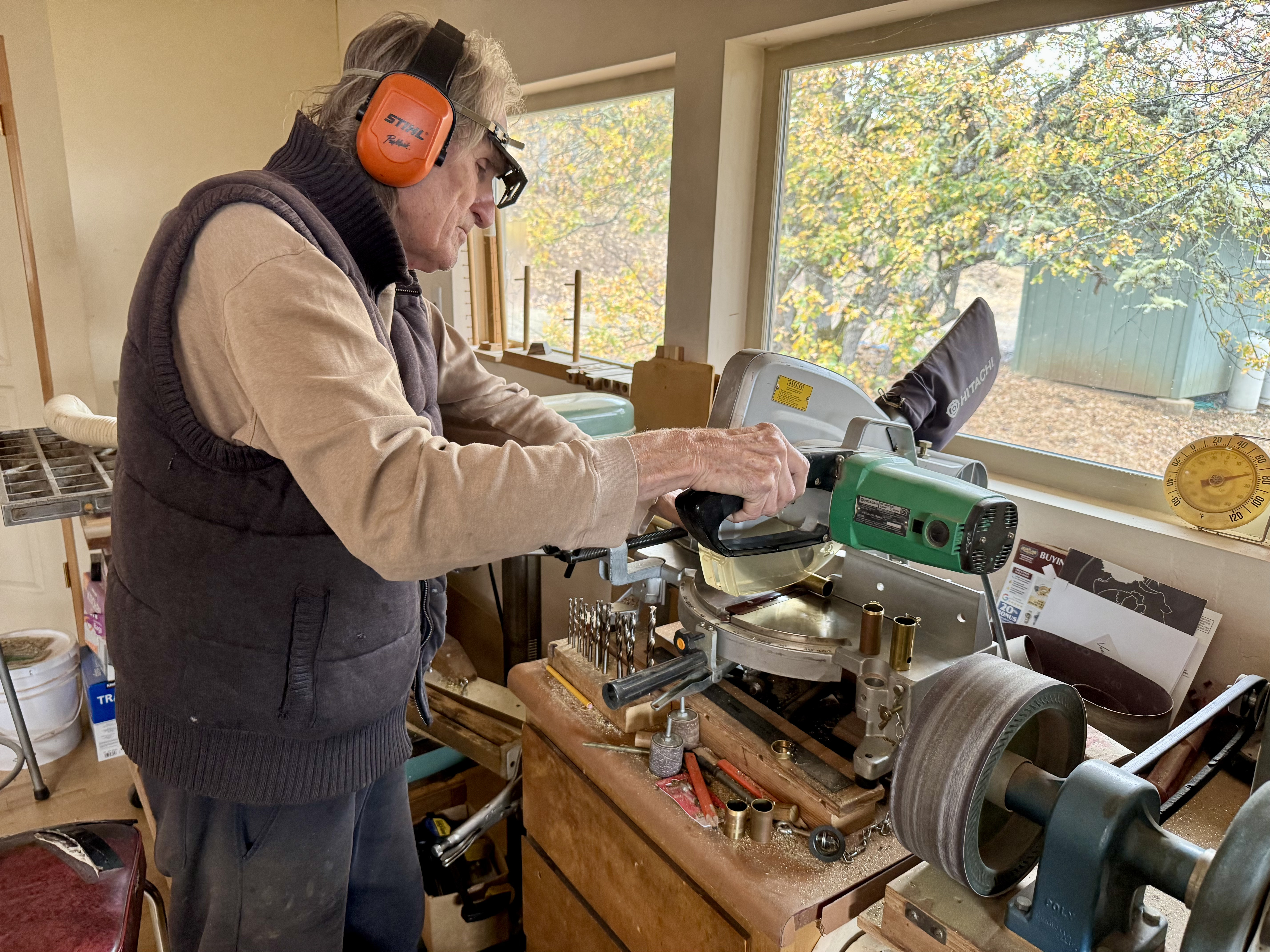
He began making whistles around 1998, and over nearly thirty years he has sold close to a thousand of them, most made on his old Atlas 618 lathe. The site has done its job, and he’s ready to let it go. In its own small way, it marks the close of a long chapter in whistle making.
Ronaldo isn’t disappearing, though. You can still reach him directly at rreyburn@gmail.com.
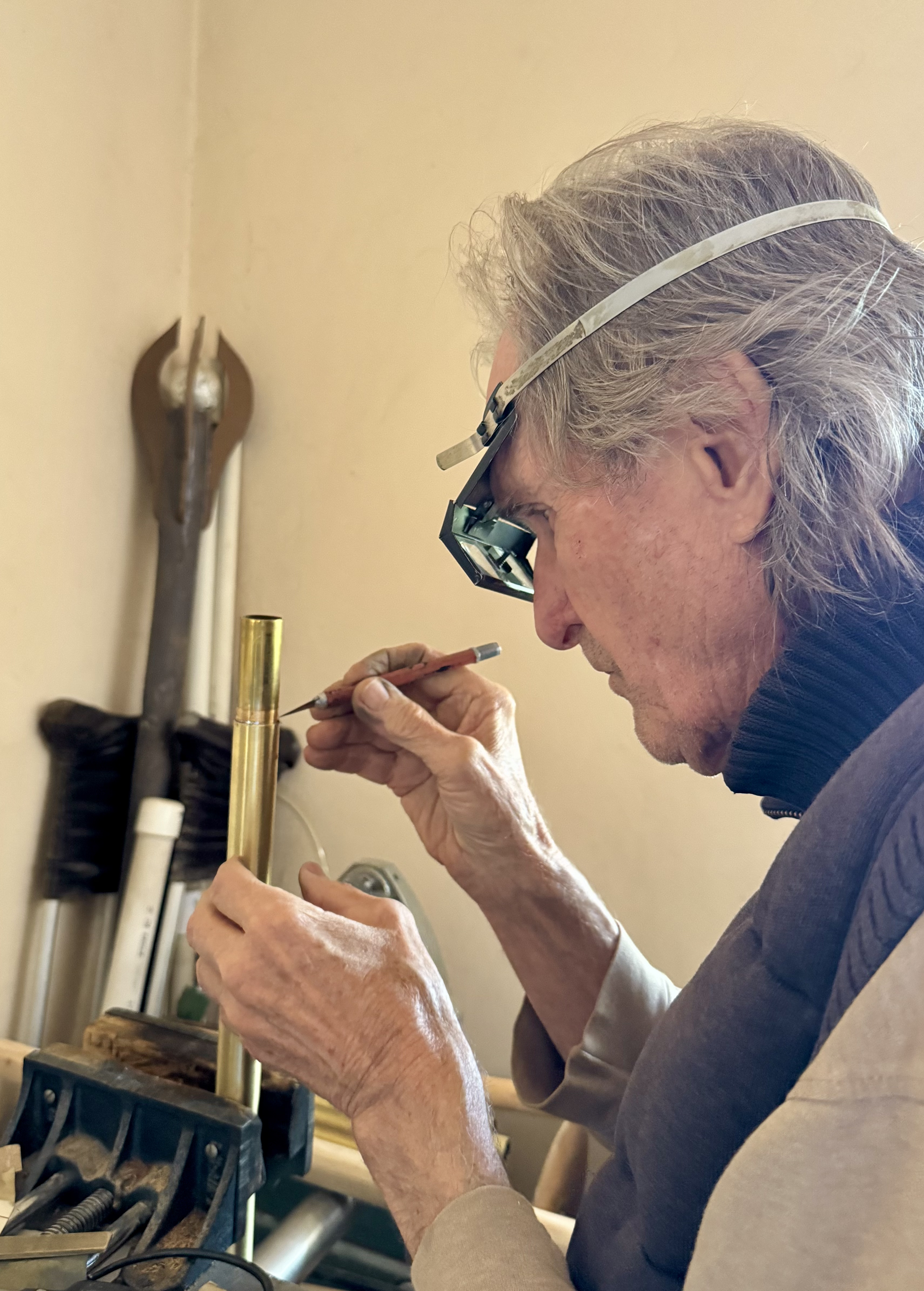
And he hasn’t stopped making instruments. These days, his instrument making centers more on Native American-style wooden flutes, connected with the meditation and breath work that have been an important part of his life for decades.
Has he made his last whistle? I wouldn’t say that, and I don’t think Ronaldo would either. He’s told me he’s pursuing other things now and has largely stepped away from whistle making. But every once in a while something inspires him.
That’s exactly what happened this year.
Some of the last whistles he made, before the Legacy Run, went to my wife Brenda and me: duet sets in both equal temperament and just intonation. By then he had the Delrin-and-brass or Delrin-and-aluminum whistle about as refined as I’ve seen it, and they are wonderful instruments.
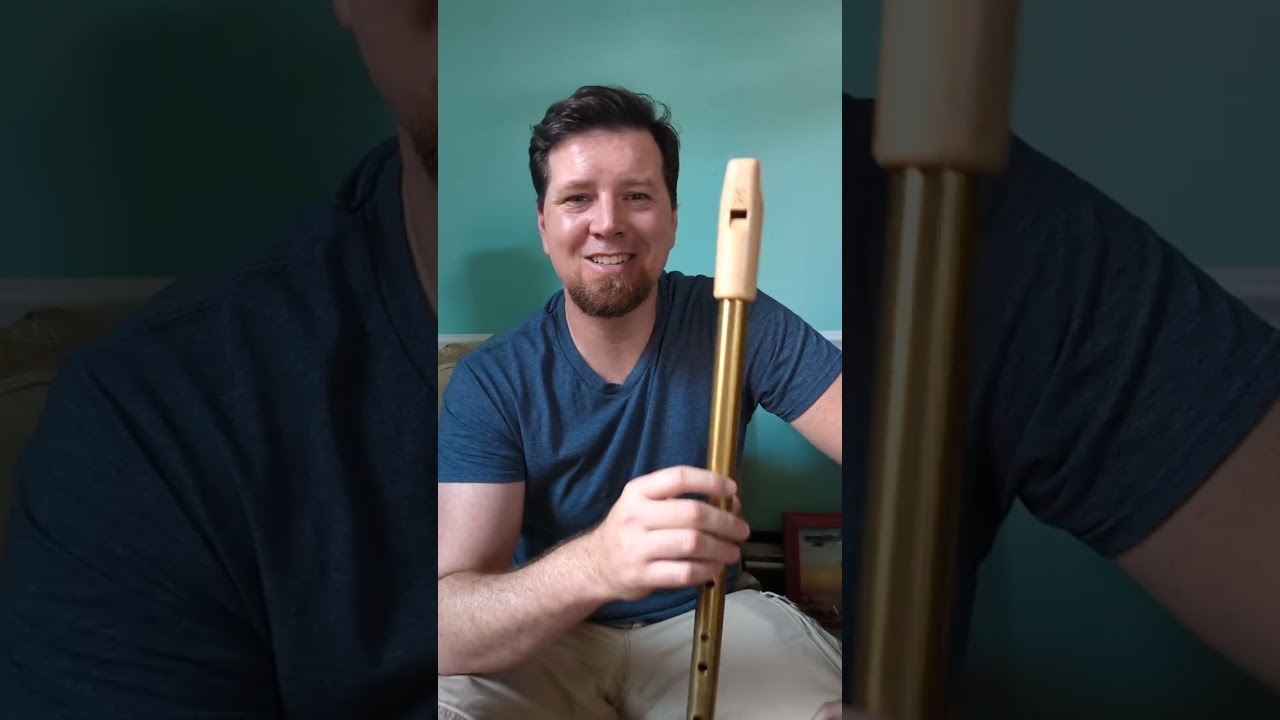
Then, this past summer, Nathaniel Dowell played one of Ronaldo’s old maple-headed brass Low Ds on YouTube. I sent Ronaldo the video, and watching Nathaniel play that whistle moved him enough that he decided to come back for one last batch.
If you’d like to hear the whistle that helped inspire the Legacy Run, you can hear Nathaniel play it here:
He calls it his Legacy Run: a final small batch of maple-headed brass Low Ds, tuned in just intonation. He began with twelve blocks of maple for the heads. Two had defects in the wood itself and were rejected before they could become whistles, leaving the ten he intended to make. During the making process, two more didn’t meet his standards, leaving eight finished whistles. One is going to Colin Goldie, one to Tara Howley, and two are staying with me. I’ll offer the remaining four individually, spread out over time rather than all at once.
If you’d like to understand what Ronaldo was aiming for in that final run, I’ve written it up: how he approaches just intonation, how he handles C natural and C#, how he balances the two octaves, and what to listen for in a Legacy Low D. I read the whole thing aloud to Ronaldo in his workshop, and he corrected it as I went.
The Reyburn Approach to Just Intonation
If you want to know more about the man himself (Navy pilot, electrician, lighting designer, flute maker), the two earlier pieces are here:
Reyburn Tribute
A Visit with Ronaldo Reyburn in Ashland
Ronaldo, thank you for nearly thirty years of wonderful whistles, and for the patience you’ve shown everyone who has asked you how they work.
John Nejedlo
Green Valley, Arizona