Hi, I’m new here. Started playing this year, and I’ve been wanting to upgrade from my 3D printed flute and add keys. But I’m not able to afford a contemporary simple system flute, let alone a keyed one.
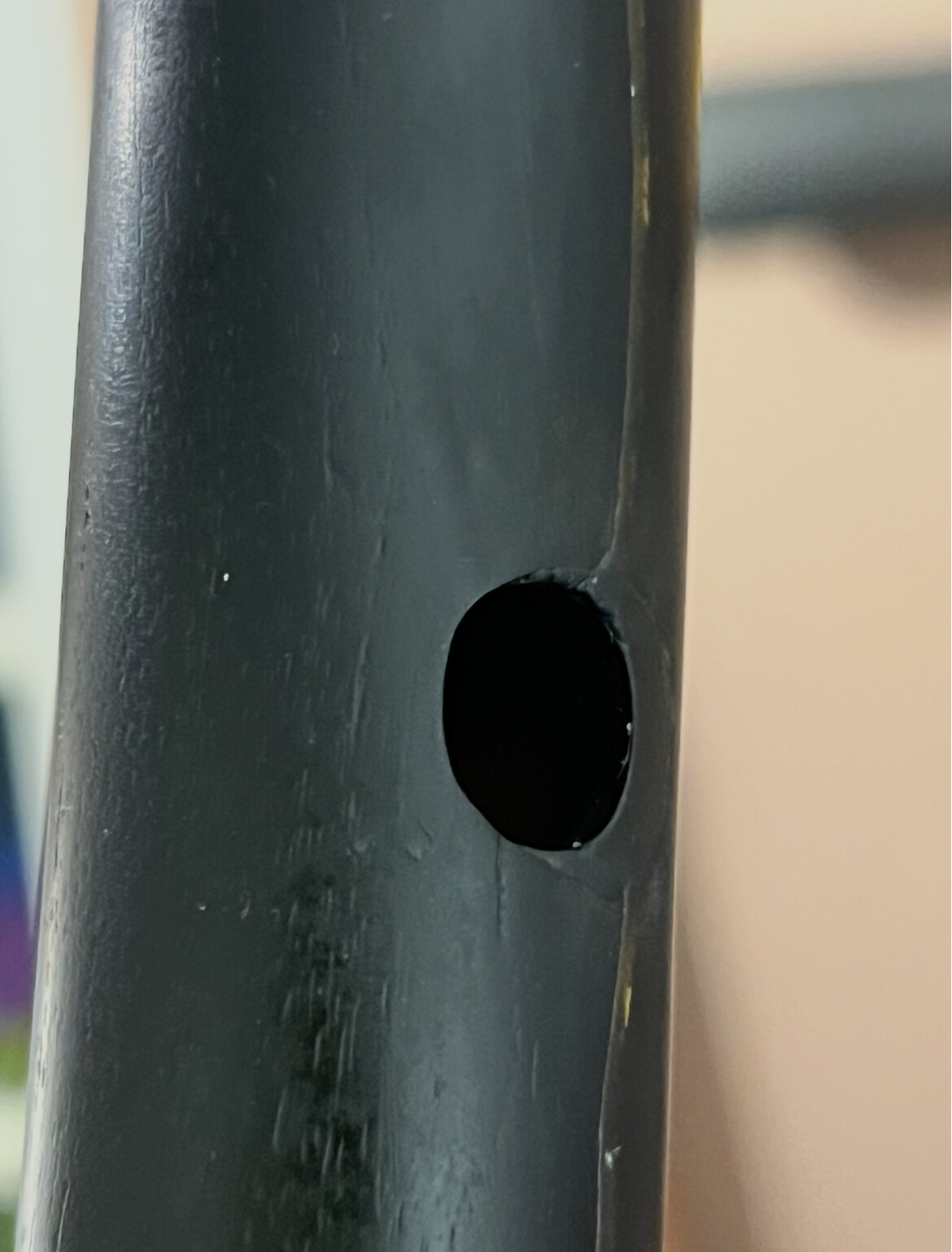
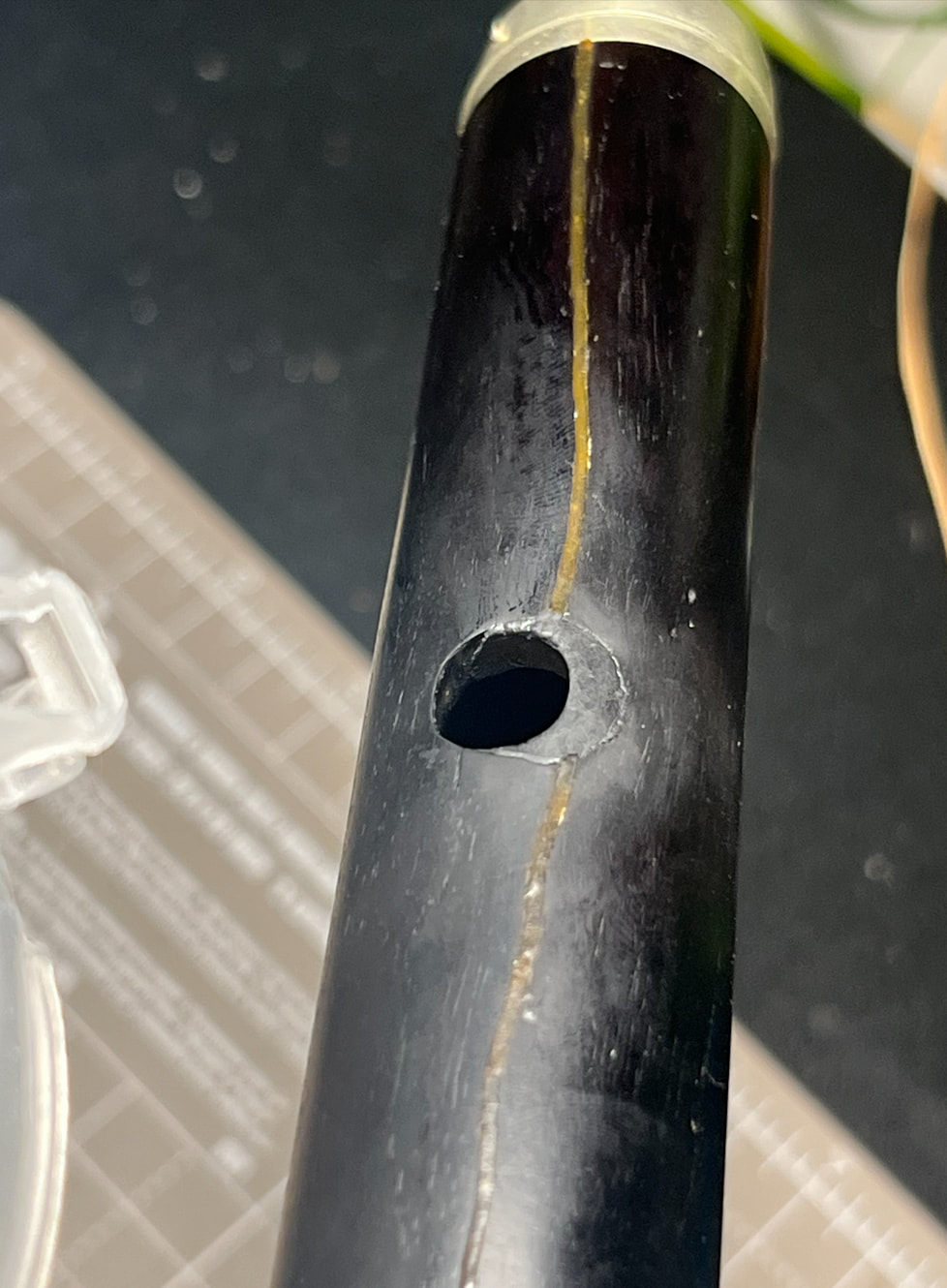
So I saved a nameless german antique 10-key from the dumpster, bent the keys back into place, restored the pads, filled and recut the broken embouchure with epoxy puddy (it.. mostly works, but it looks awful. Maybe I’ll work up the courage to post it one day).
My only remaining issue is that the finish under the embouchure hole feels rough and dry, and uncomfortable after long use.
I’ve tried oiling it with some leftover bore oil, which didn’t help much with the texture. I tried rubbing it with bees wax which feels much nicer, but it seems to melt or wear off quickly.
Anything else? Something waxy and smooth, but more durable as a finish? Quick, stop me from spraying it with automotive clear coat lacquer, I’ve abused this poor zombie flute enough.
I am NOT a flute maker, so I really don’t advise taking my advice. If the irony isn’t too thick already, read on. If I had a flute I was comfortable working on, I would likely attempt a light sanding with a very fine (no lower than 400 grit, maybe working up to 800 because I have some lying around) sandpaper where my lip rests on the flute, trying to develop a bit of a polished finished with sandpaper only, without changing the shape of the surface and definitely not changing the shape of the embouchure hole. Then I’d treat the wood with oil and let it soak in overnight before wiping it clean. If after that it still had a rough surface, I’d assume the grain was raised by soaking up oil, and I’d repeat the process.
1 Like
You could get a flute lip protector. It is a thin tapelike piece of plastic you can put on the flute itself. They are inexpensive. Also not a flute maker but if you really want to perfect the flute itself. It is the edge under your chin. You could try sanding it with fine sandpaper, then finer, then finer still until you get a completely smooth finish. You will not be taking off much material. I am not sure which grit to start with, something in the 300s or higher perhaps and go up one grit until it feels comfortable.You don’t want to use anything too coarse or try to skip grits. I don’t remember how many steps there are between 300 and 1200. But you get the idea. Sand along the grain.
Thanks for the suggestions! I might try sanding, but I’m a little worried about taking off the black stain/finish. I’ll try it first somewhere less visible.
That being said, I think the flute is african blackwood, so maybe it’s fine?
The lip protector is a good idea, if nothing else for testing if a smoother finish will actually help me.
I have a similar embouchure situation and your advice is appreciated. I bought an old Nach Meyer keyed flute off Ebay and I’m trying to learn to play but I’m struggling. Pads and mechanisms are in decent shape so I think it’s something else. I can get very soft breathy notes but nothing very clear/strong. I easily play Boehm flutes with a raised lip plate so I hope I’ll adjust with time, but this particular old flute had a few nicks around the embouchure hole–not deep but noticeable, not disclosed by seller! grrr… It is as if someone tried to open a soda bottle by using the hole. I wonder if this causing me trouble and if I should have this looked at by a pro tech. I have a flute lip protector on the mouthpiece now and this covers the nicks, but it is a little wonky, I don’t like the feel, or have a great sound. I might ask my instrument tech for her opinion, but do you think the nicks would cause me that much trouble if I have a protector in place covering the nicks? It’s highly likely it is just my lack of skill on an Irish flute, sure. Thanks C&F friends. You give the most helpful advice.
The first thing to check is that the flute is airtight. Check each section at a time. If it’s leak-free, then it might be the embouchure nicks. If there is a leak, that will need to be sealed before you’ll be able to get a clear tone.
If it is the embouchure cut, the nicks could probably be filled in with something like a UV-hardening resin, and then smoothed over with a fine needle file.
Excellent advice and I think there is hope for this beautiful old flute. With this info, I’m taking it into my tech today to see what she has to say. I could certainly have missed an air leak. Didn’t consider that strongly enough. I so appreciate this advice! Thanks WhistingGuitar!
1 Like
Your situation sounds exactly like what I dealt with, weak tone in general.
Try covering all the holes and sucking in through the end. If you can’t form a vacuum inside, you’ve missed a hole, or there is a leak in the flute or pads.
My problem was half air leaks, and half embouchure. I don’t think anyone within a days travel knows how to work on these in my country, so I had to DYI:
First I fixed the air leaks by replacing all the pads. I used YouTube tutorials for clarinet pad replacement, as they use the same system for their pads. I extracted the old pads, cleaned them with alcohol, and put the new clarinet pads in with resin. I tested for leaks with strips of paper like in the tutorials (used yamaha woodwind cleaning paper, very thin), and by vacuum testing as described above.
Once all the leaks were fixed, I was able to blow low notes, but they were still very weak.
I then repaired the embouchure by filling in the areas of damage with black milliput, then sanding that back down. You can see the half moon of epoxy. It made a huge difference, now the flute is easy to play and reasonably strong. I made the hole a too small I think, but it works well enough, so I’m afraid of making it larger.
Here’s a less glamorous photo:
What a detailed description of a brave and effective repair! I think I’ll head to my trusted repair ninja lady. She’s repaired so many old saxes and clarinets for me that I trust her with this flute. She’ll likely do the same as you did here but if she can’t handle the repair she’ll refer me to someone who can. That’s why I like her… honest service. Thanks for your help!